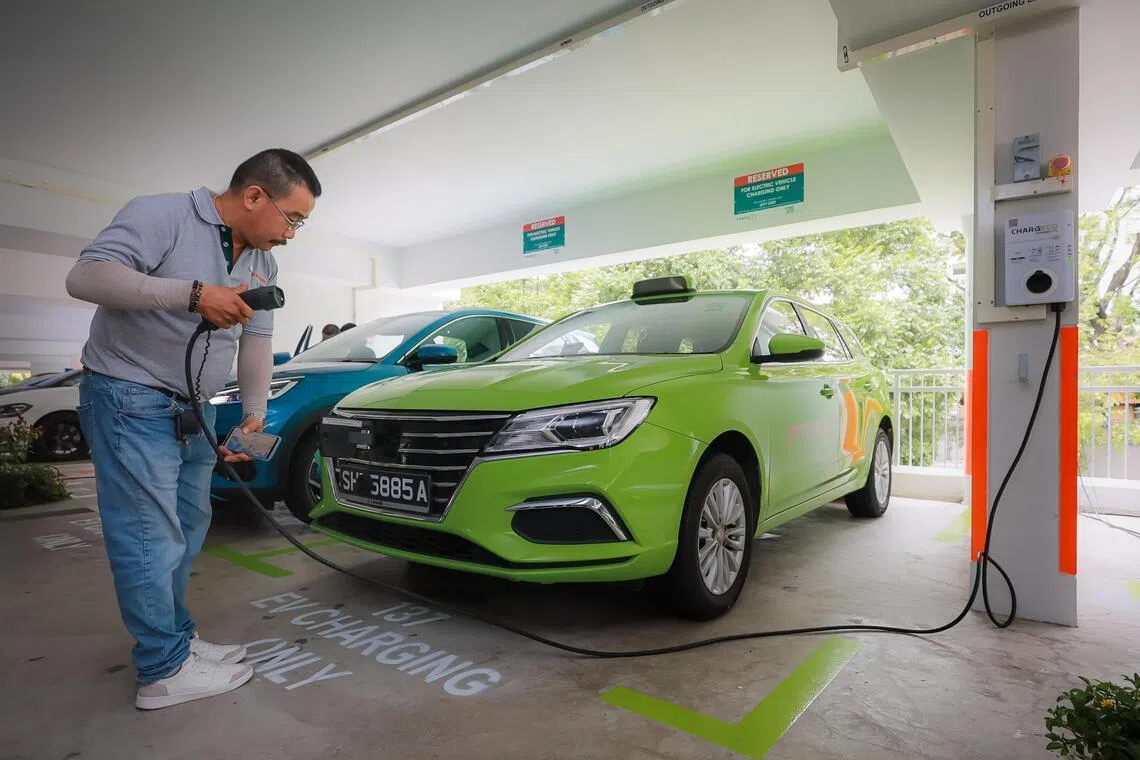
SP Mobility has announced a set of commitments designed to ease concerns regarding competition in light of its proposed acquisition of ChargEco. Among these commitments, the company has pledged not to raise parking prices associated with the Housing Council in the Eastern Province for a period of three years, which reflects its commitment to maintaining price stability and providing affordable transportation services to citizens.
This move comes at a sensitive time, as fears have increased that the acquisition could reduce competition in the market, potentially negatively impacting consumers. Regulatory bodies have shown significant interest in monitoring this acquisition, as the transportation sector is considered a vital area that directly affects citizens' lives.
Details of the Commitments
SP Mobility confirmed that the commitments it has made also include improving the quality of services provided in parking facilities, in addition to offering more options for users. The company will work to enhance transparency in its operations to ensure that no monopolistic situation arising from the acquisition is exploited.
These commitments are viewed as a positive step towards building trust between the company and consumers, as SP Mobility seeks to assure that it will not exploit its new market position to raise prices or reduce service quality.
Background & Context
Historically, the transportation sector in many countries has undergone significant transformations due to mergers and acquisitions among companies. In recent years, acquisitions have become a core part of the growth strategy for many large companies, raising regulatory concerns about the impact of these processes on competition and pricing.
In this context, SP Mobility's acquisition of ChargEco is part of a larger trend towards consolidating companies in the transportation sector, as firms aim to achieve greater efficiency and reduce costs. However, these processes raise questions about how they will affect consumers and local markets.
Impact & Consequences
The acquisition of ChargEco by SP Mobility could have far-reaching effects on the transportation market, potentially leading to improved services and increased operational efficiency. However, this must be achieved without harming competition or raising prices for consumers.
The commitments made by SP Mobility represent an important step towards balancing economic growth with consumer rights. This move could also contribute to enhancing competition in the market, benefiting all stakeholders involved.
Regional Significance
In the Arab region, competition issues in the transportation sector are vital concerns that affect citizens' lives. Many citizens suffer from high transportation costs, making the commitments made by SP Mobility a model to be emulated in promoting transparency and competition in markets.
If companies in the Arab region can adopt a similar approach, it could lead to improved services and lower prices, benefiting consumers and fostering economic growth.
In conclusion, the commitments made by SP Mobility represent a positive step towards achieving a balance between economic growth and consumer rights. As regulatory bodies continue to monitor the situation, there is hope that these steps will contribute to improving the business environment and enhancing competition in the market.