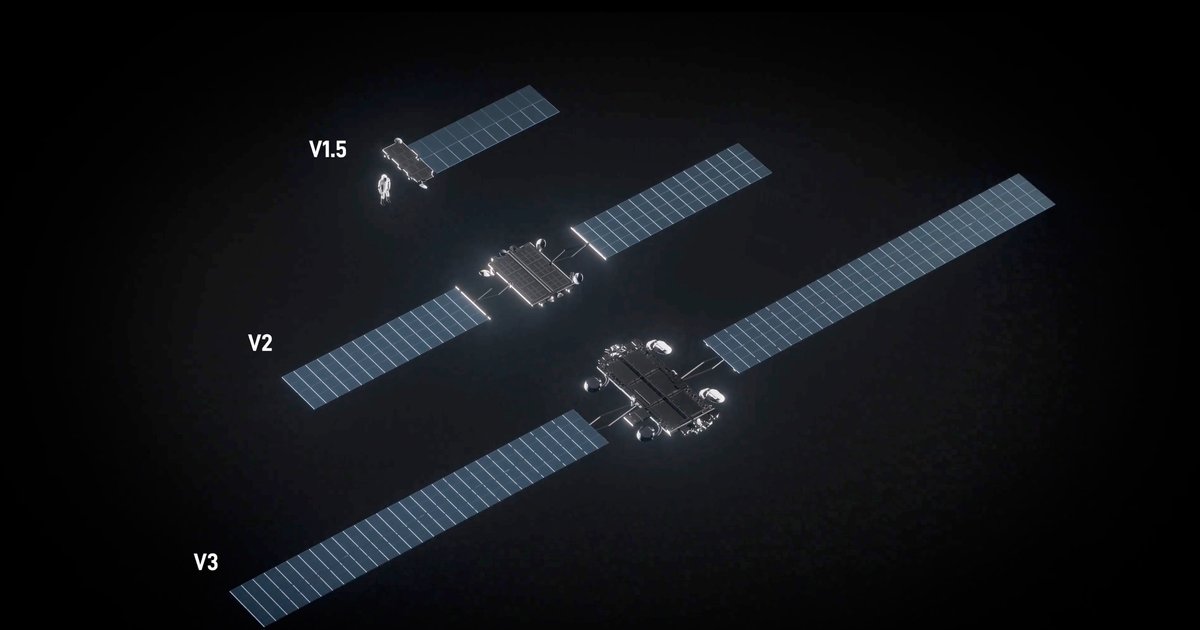
SpaceX, founded by Elon Musk, has unveiled its ambitious plans to launch a project aimed at creating data centers in space by deploying up to one million satellites. This project seeks to overcome the limitations imposed by energy and water on our planet, as Musk aims to transform his company into a leading force in the field of artificial intelligence.
In 2015, Microsoft attempted to implement a similar project by creating an underwater data center in Scotland, aiming to reduce energy consumption by utilizing cold seawater. However, the project was abandoned after two years due to insufficient customer demand and an unfeasible economic model.
Event Details
SpaceX, which acquired Musk's AI company xAI last February, aims to raise up to $75 billion during its public offering, potentially making it one of the largest IPOs in history. However, the project faces significant challenges related to economic and technical costs.
Although Microsoft demonstrated that underwater data centers can operate, clients were not interested in expanding them, preferring to enhance traditional on-land facilities that allow for quicker and cheaper upgrades. The closed design of the data centers that SpaceX intends to replicate in space lacks flexibility, as AI chips are evolving at a rapid pace.
Background & Context
Historically, there have been numerous attempts to explore new solutions for data centers, including underwater projects. However, economic challenges have always been a barrier to achieving these projects. In the case of underwater data centers, costs were higher than building centers on land, making them economically unviable.
In space, costs are expected to be significantly higher, with estimates suggesting that achieving Musk's goals would require around 3,000 launches of the Starship rocket annually. Nevertheless, questions remain about how to manage heat and radiation in space, complicating the project further.
Impact & Consequences
If SpaceX succeeds in achieving its goals, it could lead to a radical change in how data is managed in the future. However, analysts point out that space may not be a viable alternative to terrestrial data centers in the near future, as economic and technical challenges persist.
Some experts believe that space data centers may be more specialized, serving infrastructure in orbit such as military satellites and space stations, rather than replacing ground-based centers.
Regional Significance
As Arab countries strive to enhance their capabilities in technology and artificial intelligence, there may be opportunities for collaboration with global companies like SpaceX. These projects could contribute to the development of digital infrastructure in the region, enhancing its position in the global digital economy.
In conclusion, SpaceX's ambitious plans remain under scrutiny as it must overcome significant economic and technical challenges to realize its vision of transforming space into a giant data center.