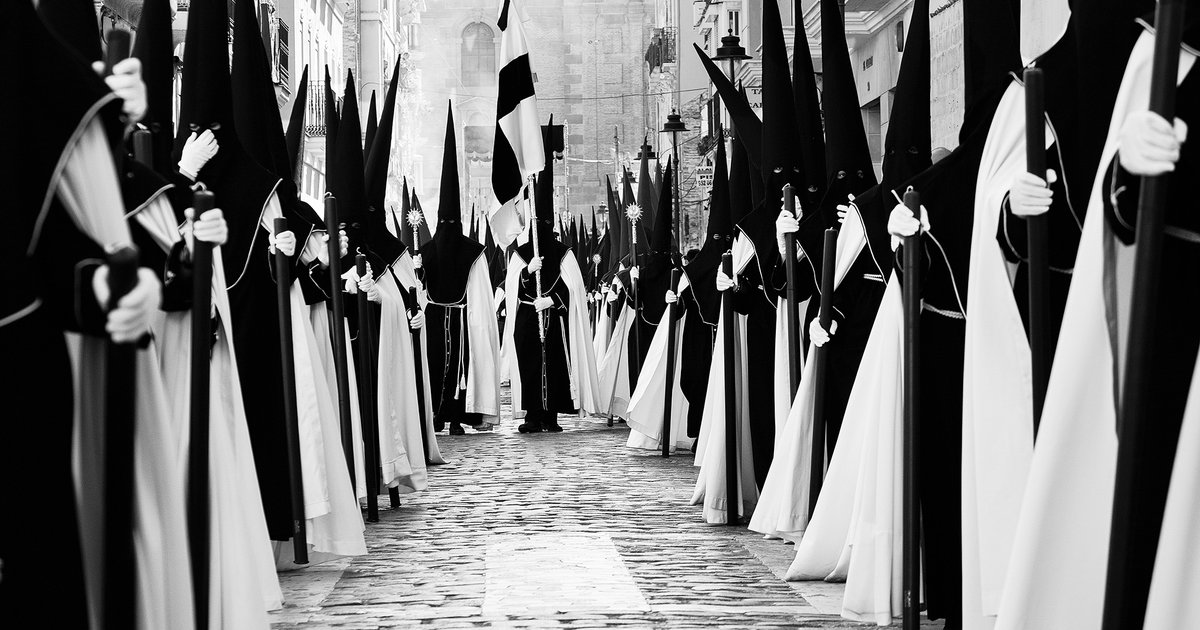
Spain has kicked off its celebrations for Holy Week, with major cities like Seville, Madrid, and Barcelona witnessing vibrant traditional parades adorned with colorful flags and flowers, attended by well-known personalities from various fields. These celebrations, considered among the most significant cultural and religious events in the country, reflect the deep-rooted traditions that have persisted for centuries.
The festivities include parades that showcase traditional arts, where participants don historical costumes and reenact important religious events, attracting tourists and visitors from around the globe. These events also serve as an opportunity to strengthen social and cultural ties among local communities.
Event Details
The Holy Week parades in Spain are characterized by unique decorations and a festive atmosphere, with streets adorned with lights and flags. In Seville, for instance, Holy Week is regarded as one of the most important cultural events, with parades taking place since the 15th century. Thousands of people participate, making it one of the largest celebrations in the country.
Participants in these parades demonstrate their commitment to traditions by carrying religious icons and performing special prayers. These events also highlight folk arts, such as music and dance, which are integral parts of Spanish culture.
Background & Context
The roots of Holy Week celebrations trace back to the Middle Ages, where they were seen as a means of expressing faith and drawing closer to God. Over time, these celebrations have evolved to become a part of Spanish cultural identity, expressing national pride and collective spirit.
Spain is considered one of the European countries that strongly maintain its religious and cultural traditions, making it a distinctive tourist destination. This event showcases how traditions can adapt over time and remain vibrant in modern society.
Impact & Consequences
The Holy Week celebrations present an opportunity to boost tourism in Spain, attracting visitors from various parts of the world. This event contributes to supporting the local economy, enhancing trade and services in the cities where the celebrations take place.
Additionally, these events serve as a platform for cultural exchange, where visitors meet locals and learn about Spanish customs and traditions. This event illustrates how culture can strengthen bonds between peoples and contribute to mutual understanding.
Regional Significance
The Holy Week celebrations in Spain exemplify how to preserve cultural and religious heritage, which can inspire Arab countries to enhance their cultural traditions. This event highlights the importance of maintaining cultural identity in a rapidly changing world.
Moreover, these festivities can foster understanding between different cultures, contributing to peace and cooperation among peoples. This is particularly important given the challenges facing the Arab region.