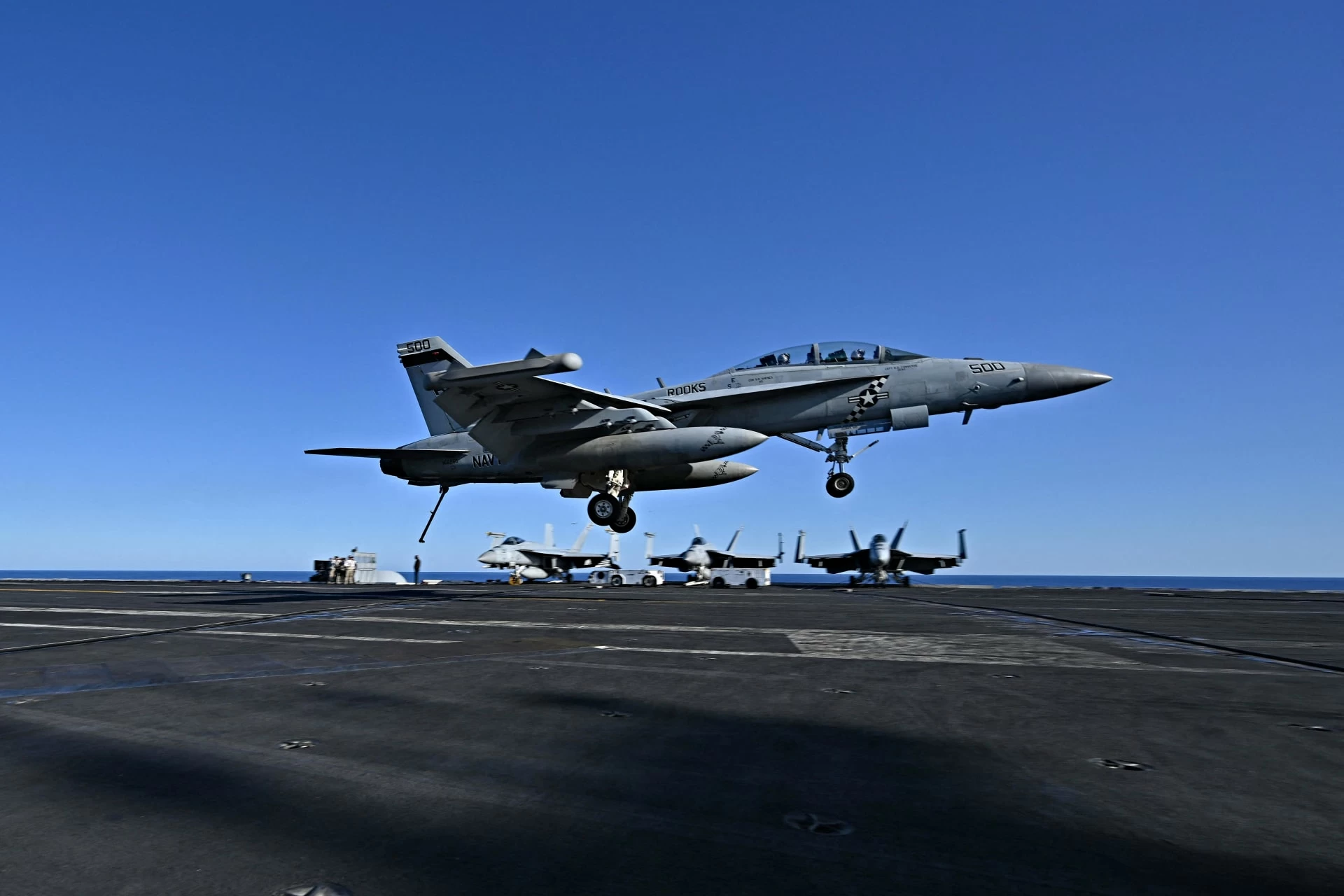
Spain has announced the closure of its airspace to US aircraft participating in military operations against Iran, in a move that reflects the Spanish government's refusal to engage in a conflict that many consider illegal. This decision, reported by the Spanish newspaper El País, comes after the government denied permission for the use of joint military bases, forcing US military aircraft to bypass Spanish airspace on their way to targets in the Middle East.
According to military sources, the airspace closure does not include emergency situations, meaning that US aircraft will have to take alternative routes to reach their objectives. In this context, Spanish Economy Minister Carlos Cuervo confirmed in an interview with Cadena SER that this decision is part of the policy adopted by the Spanish government to refrain from participating or contributing to a war that began unilaterally, which contradicts international law.
Details of the Event
This step comes at a sensitive time, as tensions in the region have escalated following increased US and Israeli attacks on Iran. Spanish Prime Minister Pedro Sánchez is one of the most prominent opponents of these attacks, describing them as reckless and illegal, while also opposing Iranian aggression against Gulf states. These positions reflect a shift in Spanish foreign policy, which aims to distance itself from military conflicts that do not align with the principles of international law.
It is noteworthy that Spanish-American relations have previously experienced tensions, as former US President Donald Trump threatened to cut trade relations with Madrid due to its refusal to allow the use of Spanish bases in the war. This tension reflects the complexities that may arise from Spain taking independent stances in its foreign policy.
Background & Context
Historically, Spain has been part of Western military alliances, including NATO. However, both internal and external political positions have changed significantly in recent years. The current Spanish government seeks to enhance its position as a supporter of peace and stability in the region, which requires bold steps such as closing its airspace.
This move is also part of global reactions to US policies in the Middle East, where international criticism of US interventions in the internal affairs of other countries is increasing. Through this decision, Spain reflects its desire to maintain its sovereignty and avoid being dragged into policies that could escalate conflicts.
Impact & Consequences
This step is expected to impact Spanish-American relations, potentially provoking discontent in Washington. However, Spain hopes that this decision will strengthen its position as a supporter of peace and reflect its commitment to international law. This decision may also encourage other countries in the European Union to adopt similar stances towards military conflicts.
On a military level, the closure of airspace could complicate US military operations in the region, potentially affecting its strategies in dealing with Iran. This situation may contribute to the United States reevaluating its military plans in the Middle East.
Regional Significance
This move is particularly significant for the Arab region, as it reflects a growing international awareness of the dangers of military conflicts and their impact on security and stability. Spain's closure of its airspace to US aircraft may encourage other countries to take similar stances, potentially leading to changes in military dynamics in the region.
Moreover, this decision could contribute to enhancing dialogue between Arab countries and Iran, as it can be seen as a step towards easing tensions in the region. Given the current circumstances, any move towards peace and stability is of great importance.
In conclusion, Spain's action reflects the government's determination to take independent stances that enhance its sovereignty and support international law. In a world filled with challenges, there remains hope that these positions will contribute to achieving peace and stability in the region.