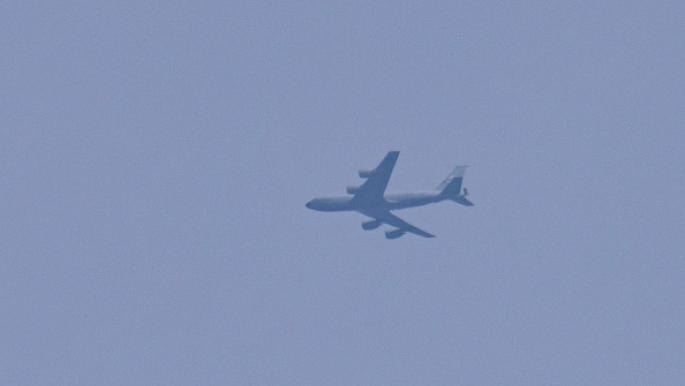
Spain's Defense Minister Margarita Robles announced today the decision to close Spanish airspace to US bombers, which changes the dynamics of military operations in the region. This decision follows reports published by the Spanish newspaper El País, which emphasized the significance of this step in the context of current geopolitical tensions.
During a press conference, Robles confirmed that this decision reflects Spain's commitment to its national sovereignty and its desire not to allow the use of its territory in military operations that could escalate conflicts.
Details of the Decision
In an unprecedented move, the Spanish government decided to impose restrictions on the movement of US bombers that had been using Spanish airspace as part of their military strategy in the region. This decision comes at a sensitive time, as tensions between the United States and Russia are increasing, alongside ongoing crises in the Middle East.
The Defense Minister stated that the decision came after consultations with Spanish military leaders, who believed that the use of Spanish airspace in US military operations could place the country in a precarious position and expose it to unnecessary risks.
Background & Context
Historically, Spain has been a key ally of the United States in Europe, using its territory as a launchpad for military operations in various regions, including the Middle East. However, changes in Spanish domestic and foreign policy, along with public pressure against military interventions, have led to a reassessment of this cooperation.
In recent years, Spain has seen a rise in anti-interventionist voices, prompting the government to feel the need to take steps that reflect these sentiments. This decision signifies a shift in Spanish policy towards military issues and indicates the government's desire to enhance its sovereignty and independence.
Impact & Consequences
This decision is expected to have a significant impact on US military operations in the region. Closing Spanish airspace may force the United States to reevaluate its military strategies, potentially leading to delays or changes in operational plans.
Moreover, this decision could provoke reactions from other US allies, who may view it as a retreat from traditional military commitments. Additionally, this decision may strengthen the position of other countries opposing US military interventions, complicating the geopolitical landscape further.
Regional Significance
In the Arab context, this decision may affect military balances in the Middle East. The closure of Spanish airspace could limit the United States' ability to conduct military operations against armed groups in the region, potentially leading to an increase in the activity of these groups.
Furthermore, this decision may bolster the position of countries seeking to reduce US influence in the region, which could lead to changes in political and military alliances.
In conclusion, Spain's decision to close its airspace to US bombers represents a significant shift in Spanish military policy, reflecting changes in the global geopolitical landscape. This decision could have far-reaching implications for international relations, particularly in the Middle East.