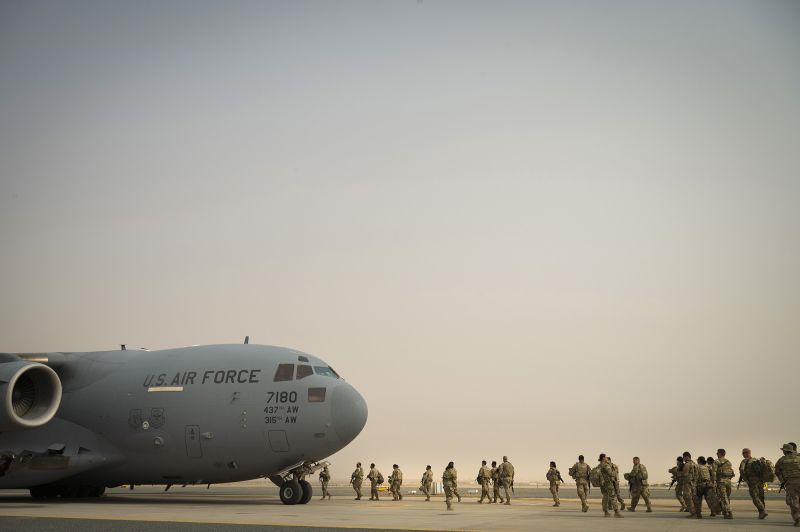
On Monday, March 30, the Spanish government firmly rejected a request from the United States to use its airspace for military operations related to the conflict with Iran. This statement was made by Spanish Defense Minister Margarita Robles, who clarified that Spain would not support any military operations that lack international legitimacy.
Reports indicate that this rejection also extends to American aircraft located in third countries such as Britain and France. Washington had previously discussed the possibility of deploying strategic bombers like the B-52 Stratofortress and B-1 Lancer to its military bases in southern Spain, but these plans were canceled following Madrid's reaffirmation of its position.
Details of the Event
During a press conference, Robles stated that "the use of Spanish military bases is not permitted, nor is the use of Spanish airspace for any military operations against Iran." She added that Spain is committed to its steadfast position of not participating in any actions that could escalate tensions in the Middle East.
In a related context, Spanish Foreign Minister José Manuel Albares remarked that these restrictions are part of the Spanish government's policy aimed at avoiding any escalation of the situation in the region, noting that the current situation is more concerning than it was a month ago, as it could lead to an influx of migrants from Iran towards Europe.
Context and Background
These developments come at a time when the Middle East is experiencing increasing tensions, particularly with the escalation of the conflict between Iran and the United States. Historically, Spain has maintained a policy of non-intervention in military conflicts that lack international support, reflecting its commitment to international laws.
Spain's position also reflects its desire to maintain good relations with Arab countries, as it believes that any military escalation could have negative repercussions on regional security.
Consequences and Impact
Analyzing the situation, it can be said that Spain's refusal to allow the use of its airspace may impact U.S. military plans in the region, potentially limiting its options in confronting Iran. Additionally, this stance may enhance Spain's position as a supporter of peace in the region and reflects its commitment to international laws.
Moreover, this refusal could lead to strained economic relations between Spain and the United States, especially following statements from U.S. President Donald Trump regarding the potential for cutting trade relations with Spain. However, Spanish Economy Minister Carlos Cuervo confirmed that economic relations would remain stable, indicating that Spanish companies would continue their operations in the U.S. market.
Impact on the Arab Region
In a broader context, Spain's position reflects growing concerns about the repercussions of conflicts in the Middle East on European security. As tensions rise, the Arab region may face indirect consequences, such as an increased flow of refugees and migrants, necessitating a response from European countries.
In conclusion, it can be said that Spain's stance reflects the challenges faced by European countries in dealing with crises in the Middle East and highlights the importance of adhering to international laws in achieving peace and stability.