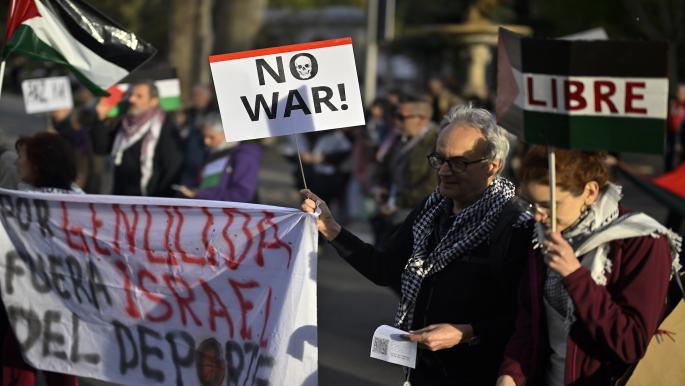
Spain has rejected the use of US military aircraft at the Rota and Morón de la Frontera bases, a decision that reflects Madrid's balance between its commitments to NATO and the European Union on one hand, and its desire to maintain national sovereignty on the other.
This refusal comes at a sensitive time when international relations are experiencing increasing tensions, particularly amid the geopolitical crises affecting the world. The two military bases in Spain are considered strategically important for US military operations in the Mediterranean region.
Details of the Decision
Informed sources reported that the Spanish government made this decision after internal consultations, where the potential risks of allowing US military use of the bases were assessed. This stance indicates Spain's desire to enhance its independence in military decision-making, away from external pressures.
The Rota base, located on Spain's southern coast, is one of the most significant US naval bases in Europe, while the Morón de la Frontera base serves as a major center for military aviation. Both bases have been central to numerous US military operations in recent years, which increases the significance of the Spanish decision in this context.
Background & Context
Historically, Spain has been a strong ally of the United States, hosting several US military bases since the Cold War. However, changes in the global geopolitical landscape, including rising tensions with Russia, have prompted Spain to reassess its role as an ally.
This move is part of Spain's efforts to strengthen its national sovereignty, as the Spanish government seeks to balance its international commitments with its internal security needs. In recent years, Spain has shown an increasing desire to enhance its role as an independent power in European politics.
Impact & Consequences
This decision could lead to strained relations between Spain and the United States, as Washington considers its military presence in Europe essential for addressing security threats. Additionally, this decision may impact Spain's position within NATO, as it could be viewed as a retreat from military commitments.
On the other hand, this decision may bolster Spain's position in the European arena, as it could be seen as a step towards enhancing European sovereignty in the face of US pressures. It may also encourage other countries in the European Union to adopt similar stances, potentially leading to a reevaluation of military relations with the United States.
Regional Significance
Amid increasing tensions in the Middle East, Spain's decision may have indirect effects on the situation in the region. Any reduction in military cooperation between the United States and its European allies could impact regional security strategies.
Furthermore, the enhancement of national sovereignty in European countries may encourage some Arab nations to reassess their military relations with major powers, potentially leading to changes in regional alliances.
In conclusion, Spain's decision to reject the use of US military aircraft at its bases reflects significant shifts in European policy and demonstrates Madrid's desire to enhance its independence. At the same time, this decision opens the door for discussions about the future of military relations between European countries and the United States.