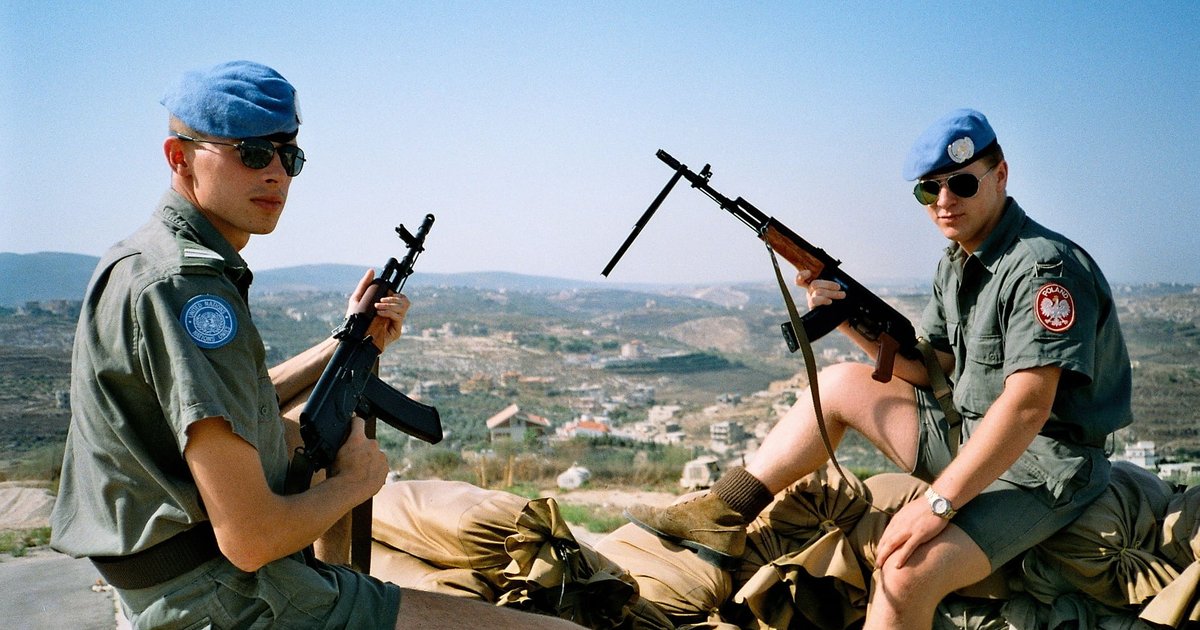
Spanish Prime Minister Pedro Sánchez stressed the urgent need to cease attacks targeting the United Nations Interim Force in Lebanon (UNIFIL). This statement came during a phone conversation with Lebanese Prime Minister Nawaf Salam, where Sánchez underscored that Lebanon did not choose the current war and that its sovereignty must be respected.
In a tweet on platform X, Sánchez expressed Spain's support and solidarity with Lebanon, praising the efforts of Spanish troops within the UNIFIL mission. He affirmed that attacks on United Nations peacekeeping missions are unacceptable and must stop immediately.
Details of the Incident
The UNIFIL forces have been operating in Lebanon since 1978, and their mandate was extended under UN Security Council Resolution 1701 following the war that erupted in 2006 between Israel and Hezbollah. Since the beginning of this month, southern Lebanon has experienced several aerial and ground attacks by Israeli forces, following a cross-border attack by Hezbollah on March 2.
Despite a ceasefire being in effect since November 2024, conditions in Lebanon remain tense, with Lebanese authorities reporting that the death toll from Israeli attacks has reached approximately 1497 people, in addition to over 4400 injured.
Background & Context
Historically, Lebanon has witnessed multiple conflicts, with the Lebanese Civil War (1975-1990) being one of the bloodiest periods in the country's history. Since then, there have been numerous international efforts to restore stability in Lebanon, including the deployment of United Nations forces. However, tensions persist, particularly with the presence of Hezbollah, which many countries consider a terrorist organization.
Concerns are rising regarding the escalation of conflict in the region, as any intensification could impact regional stability and lead to severe humanitarian repercussions. Additionally, the economic situation in Lebanon is experiencing significant deterioration, further exacerbating the suffering of the population.
Impact & Consequences
Sánchez's call to halt attacks on UNIFIL forces is a crucial step in an attempt to protect civilians and ensure stability in Lebanon. Continued attacks could worsen humanitarian conditions and complicate peace efforts in the region.
These statements reflect the international community's concern over the rising violence in Lebanon and may lead to increased pressure on the involved parties to come to the negotiating table. Spain's support for Lebanon could help bolster the Lebanese government's position in facing current challenges.
Regional Significance
Arab countries are directly affected by events in Lebanon, as any escalation in conflict could have repercussions on regional security. The stability of Lebanon is considered an essential part of overall regional stability, as conflicts in Lebanon could lead to an influx of refugees and increased tensions between neighboring countries.
In conclusion, hope remains pinned on the international community to play an active role in ending the conflict and ensuring lasting peace in Lebanon, which would contribute to improving humanitarian and economic conditions in the country.