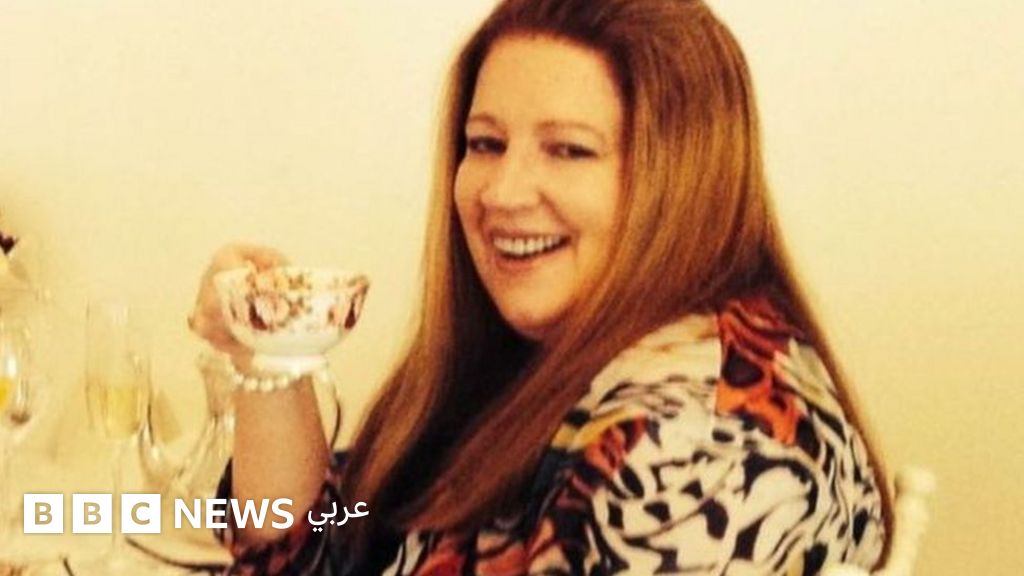
Noelia Castillo, a 25-year-old Spanish woman who fought a long legal battle with her father over her right to die with medical assistance, passed away last Thursday. Castillo, a resident of Barcelona, had suffered injuries that led to partial paralysis following a suicide attempt in 2022, causing her to endure ongoing psychological and physical pain.
In the summer of 2024, the Catalan government granted Castillo the right to die with medical assistance, but the process was halted at the last moment due to legal objections from her father, who received support from the conservative lawyer group "Christian Lawyers." Her father argued that his daughter suffered from a personality disorder that affected her ability to make sound decisions.
Details of the Event
The legal battle lasted for 18 months and concluded when the European Court of Human Rights upheld Castillo's decision. On Thursday evening, Christian Lawyers announced via the platform "X" that Castillo had died with medical assistance, noting that her case highlights serious flaws in Spain's euthanasia law.
In an interview with Spanish television, Castillo confirmed that her father attempted to obstruct her decision to die with dignity, stating, "He did not respect my decision and will never respect it." She spoke about her difficult childhood, most of which she spent in care homes, revealing that she had been sexually abused by her former partner and several men in a nightclub.
Background & Context
The euthanasia law in Spain came into effect in 2021, allowing individuals suffering from terminal illnesses or unbearable pain to request medical assistance to end their lives. According to government data, 426 requests for assistance in dying were granted in 2024, the most recent year available. However, this case was the first to reach the courts to determine a judge's decision.
Castillo's case exemplifies the ethical and legal challenges faced by European societies regarding individuals' rights to make decisions about their lives. It also reflects the family conflicts that may arise when individual desires clash with family beliefs.
Impact & Consequences
Castillo's case raises profound questions about individuals' rights to make decisions regarding their lives, particularly in cases of mental illness. It underscores the need to review current laws to ensure the protection of individual rights without infringing on family beliefs. This case may lead to broader discussions about euthanasia laws in other countries, potentially affecting how governments address these sensitive issues.
Additionally, this case may influence how society addresses mental health issues, as there needs to be a deeper understanding of the needs of individuals suffering from psychological problems and how they can be supported rather than having their choices obstructed.
Regional Significance
In the Arab region, issues of euthanasia and individuals' rights to make decisions about their lives remain sensitive topics. Cultural and religious values dominate discussions around these issues, making it challenging to achieve consensus. However, Castillo's case may open the door to new discussions about individual rights in the Arab world, especially given the increasing awareness of mental health issues.
In conclusion, Castillo's case serves as an example of human conflicts that transcend borders, requiring societies to consider how to support individuals in times of crisis while ensuring their rights to make decisions about their lives.