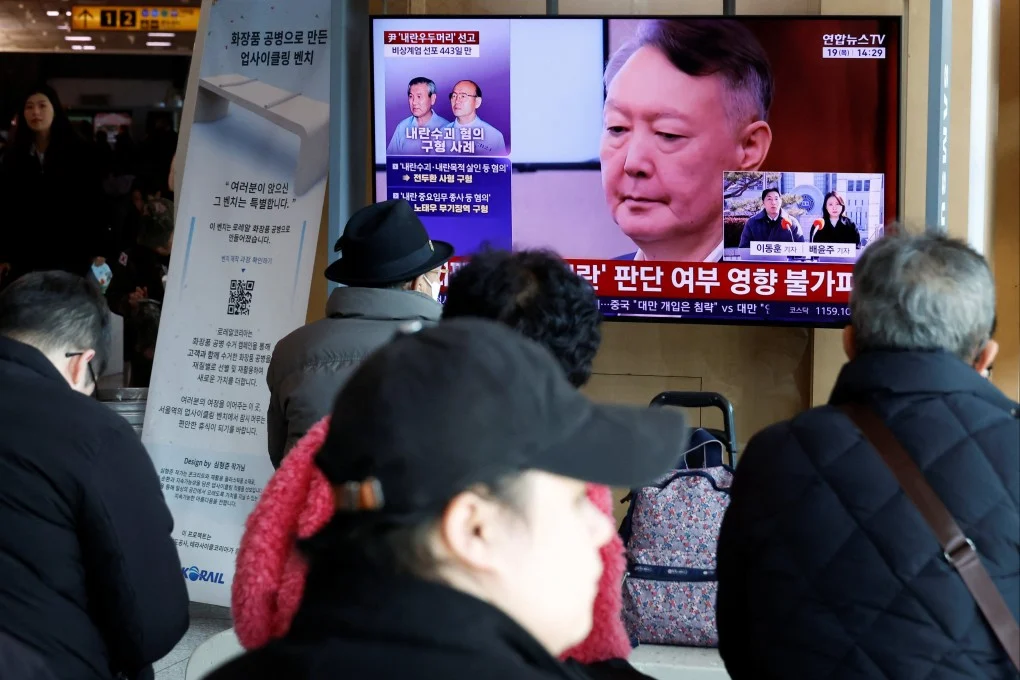
A letter from former South Korean President Yoon Suk-yeol has sparked widespread controversy following its release from prison in celebration of Easter. His opponents have deemed the letter an inappropriate comparison to the suffering of Christ. The message, sent through his lawyer Baek Woon-chul, urged the public to hold onto hope despite challenging circumstances.
Yoon, who was ousted from office last year after briefly imposing martial law in December 2024, emphasized the importance of hope for salvation in his letter. Many interpreted this as an indication of his lack of remorse for his criminal actions. This statement provoked angry reactions from his political adversaries, who found the comparison between his struggles and Christ's suffering unacceptable.
Details of the Controversy
This letter emerges at a sensitive time for South Korea, which continues to grapple with the repercussions of political and economic crises. Yoon Suk-yeol, who assumed the presidency during a tumultuous period, faced severe criticism for his policies, particularly those related to security and the economy. Following his impeachment, he was imprisoned on charges of corruption and abuse of power, further exacerbating the political divide in the country.
In his message, Yoon called on the Korean people not to lose hope, suggesting that difficult times require patience and resilience. However, this message did not resonate well with many citizens, who felt that Yoon was attempting to use religion as a means to justify his actions.
Background & Context
Historically, South Korea has experienced numerous political crises that have led to radical changes in leadership. Yoon Suk-yeol is among the presidents who faced significant challenges during their tenure, often seen as a controversial figure. In December 2024, he declared martial law in an attempt to control public protests, which ultimately led to his impeachment.
These events are part of a long history of political struggles in South Korea, where politics intertwines with religion and culture. Such dynamics have influenced how the Korean public responds to statements from political leaders, complicating efforts to restore trust in the political system.
Impact & Consequences
The reactions to Yoon Suk-yeol's letter illustrate how political statements can shape public opinion. The criticisms he faced indicate a deep divide within South Korean society, with many questioning the ability of leaders to learn from their mistakes. This issue may impact future elections and public policy directions in the country.
Moreover, the use of religion in politics can have severe consequences, potentially exacerbating divisions among different segments of society. Leaders must be more sensitive to the sentiments of the people and their cultural and religious history.
Regional Significance
The controversy surrounding Yoon's letter highlights the ongoing tensions within South Korean society and their implications for governance. As the nation navigates through its political landscape, the ability of leaders to unite rather than divide will be crucial for future stability.
In conclusion, the discourse surrounding Yoon Suk-yeol's letter from prison not only reflects his personal struggles but also serves as a mirror to the broader societal issues facing South Korea today.