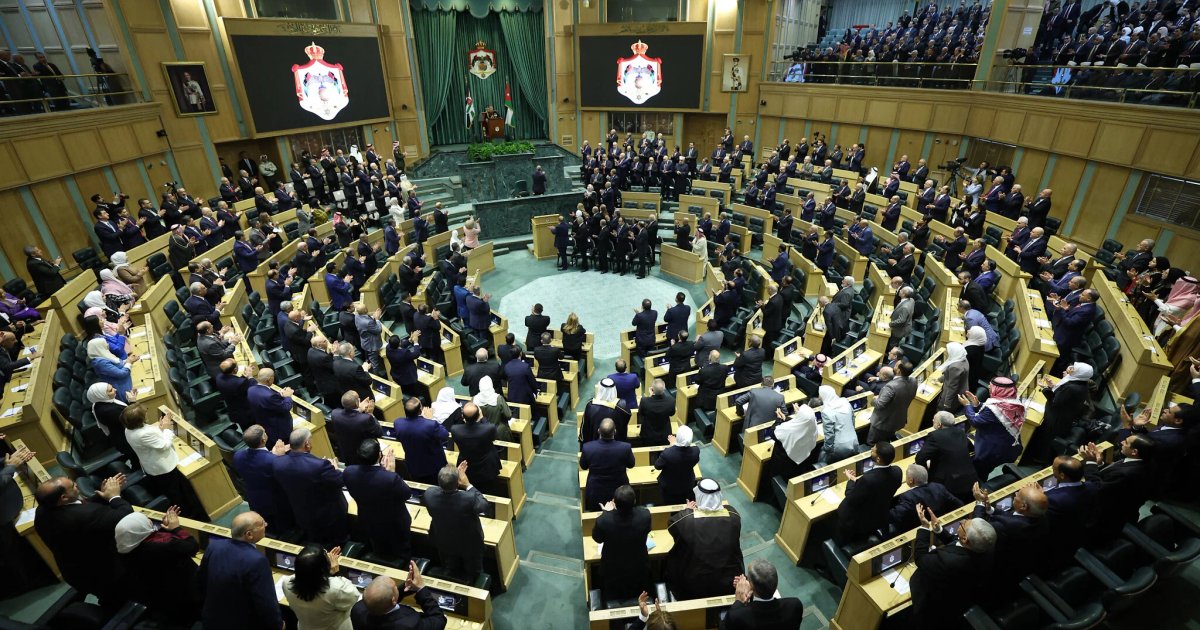
A recent article by colleague Salama Darawi in Al-Ghad sparked widespread debate regarding the limited outcomes of the current parliamentary session. It highlights the challenges faced by the parliament in achieving tangible results amidst growing public pressure. Darawi pointed out that this session has not met the desired objectives, necessitating a reevaluation of parliamentary work mechanisms.
In this context, the current parliamentary session is seen as a turning point in the country's political life, with representatives facing increasing pressure from citizens seeking improvements in public services. Opinion polls have shown that a significant percentage of citizens are dissatisfied with the parliament's performance, adding further pressure on representatives to deliver concrete results.
Details of the Current Session
The current parliamentary session is characterized by numerous challenges, including weak coordination among parliamentary blocs and divergent opinions on key issues. Additionally, the economic and social crises plaguing the country overshadow the parliament's work, making it difficult to achieve consensus on necessary legislation.
Darawi also addressed the importance of enhancing transparency and accountability in parliamentary work, noting that the absence of these elements could lead to corruption and increase citizens' distrust in state institutions. This issue is sensitive and requires immediate attention to ensure political stability.
Background & Context
Historically, the country has witnessed previous parliamentary sessions that achieved notable accomplishments; however, the current circumstances are significantly different. Economic and political crises have eroded trust between citizens and the parliament, prompting representatives to reassess their strategies to meet the desired goals.
The influence of media and social networks has become more pronounced in shaping public opinion, compelling the parliament to respond to citizens' demands more swiftly and effectively. This shift in communication between representatives and citizens is a crucial factor that must be considered.
Impact & Consequences
If the parliamentary session continues to fail in delivering tangible results, it could exacerbate the political and social crises in the country. Furthermore, the inability to respond to citizens' demands may contribute to increased protests and demonstrations, threatening political stability.
Conversely, if representatives manage to achieve concrete accomplishments, it could help restore trust between citizens and the parliament, thereby enhancing political stability and encouraging active participation in the democratic process.
Regional Significance
The parliamentary experience in the country serves as a model in the Arab region, where many countries face similar challenges in promoting democracy and achieving sustainable development. The parliament's success in delivering tangible results could have a positive impact on neighboring countries, enhancing opportunities for regional cooperation and integration.
In conclusion, the greatest challenge facing the parliament remains its ability to respond to citizens' demands and fulfill their aspirations, requiring continuous efforts from all stakeholders involved.