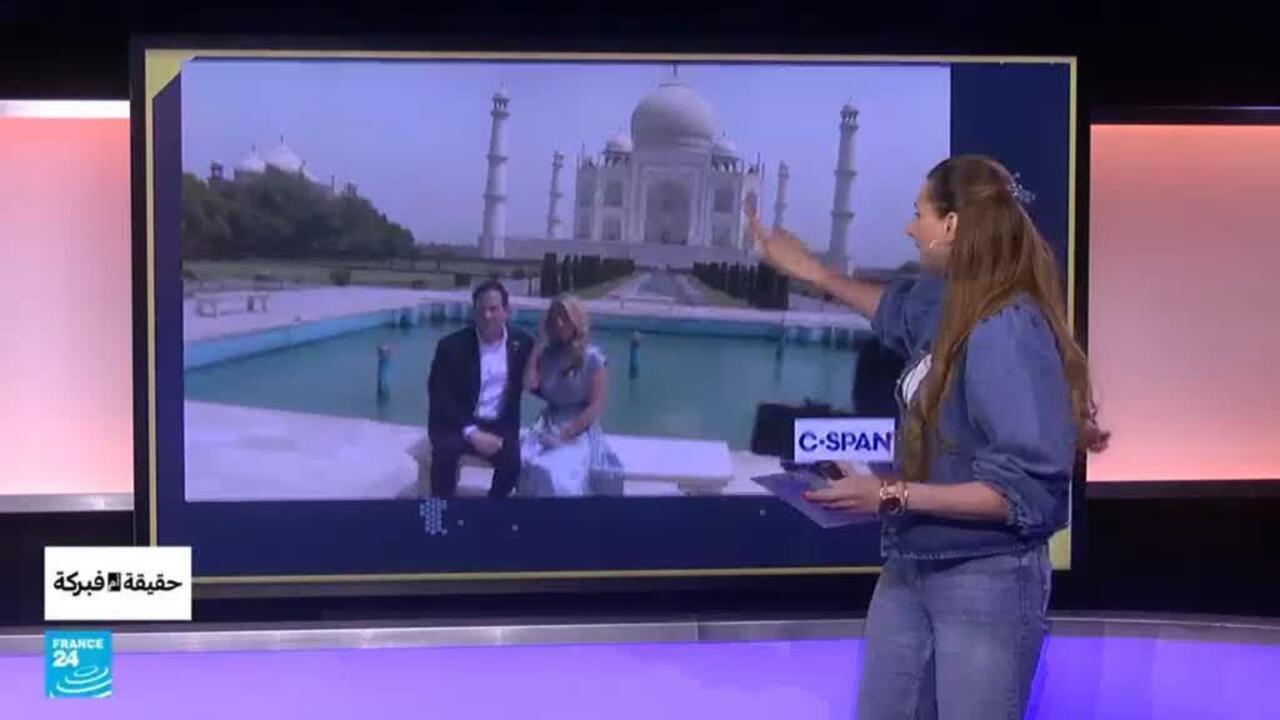
A commemorative photo of US Secretary of State Marco Rubio, taken in front of the famous Taj Mahal in India, has become a subject of political controversy and ridicule following notable reactions from Iran. The image has prompted questions regarding the historical and political significance it carries, and how a seemingly ceremonial photo could ignite such a level of debate.
The photo, captured during Rubio's visit to India, was intended to symbolize the strengthening of bilateral relations between the United States and India. However, it quickly morphed into a topic of mockery after Iranian media published sarcastic comments about it, suggesting that the image reflects a gap between cultural and historical values.
Details of the Event
The photograph was taken during an official visit by the US Secretary of State, aimed at enhancing diplomatic ties between the two nations. Nevertheless, it soon became a subject of ridicule as Iranian media outlets shared mocking commentary, indicating that the image illustrates the disparity between cultural and historical values.
The Iranian responses were not limited to mockery; they also included criticisms of US policies in the region. Iran viewed the photo as a representation of the United States' attempt to impose its influence over other nations, particularly at a time when it faces both internal and external criticisms.
Background & Context
Historically, the Taj Mahal is a symbol of love and beauty, constructed in the 17th century. However, its use as a backdrop for a political image raises questions about the exploitation of cultural symbols in politics. The photograph is not merely a documentation of a moment but also reflects the complex relationships between countries.
In recent years, tensions between the United States and Iran have escalated, particularly following the US withdrawal from the nuclear agreement. This tension has made it easier for both sides to exploit any event or image to bolster their own narratives.
Impact & Consequences
The reactions to the photo serve as an indicator of how social media can shape public opinion. What was intended to be a gesture of goodwill has turned into a tool for mockery and criticism. This reflects how simple events can evolve into complex political issues.
This controversy also highlights the importance of cultural symbols in politics. The image taken in front of the Taj Mahal was not just a fleeting snapshot; it was an expression of strained international relations.
Regional Significance
Considering the potential impact of this controversy on the Arab region, it can be said that the photo reflects a complex reality that transcends national borders. Relationships between countries are not merely political issues but also encompass culture and history.
This debate may influence how Arab nations engage with international issues, especially amid ongoing tensions in the region. It also underscores the importance of understanding cultural symbols in politics and how they can affect international relations.
In conclusion, the photo taken by Marco Rubio in front of the Taj Mahal serves as an example of how ordinary moments can transform into complex political issues. While the image aimed to promote relations, it sparked widespread controversy, reflecting current political tensions.