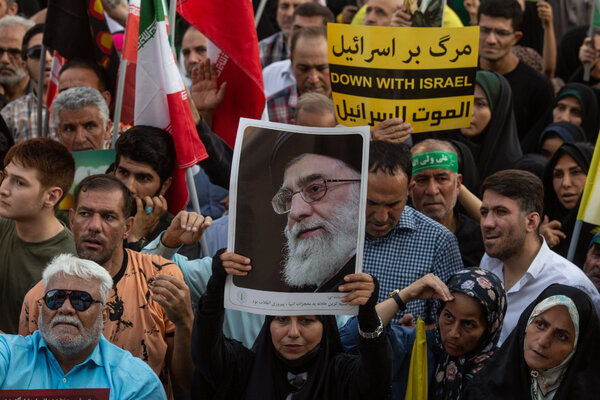
Speculations about the potential collapse of the Iranian regime are increasing as military and political pressures mount. Experts believe that the current situation may open the door to further tensions, raising questions about the possible consequences of any regime change.
Experiences of regime change in the Middle East, such as in Iraq and Libya, raise concerns among observers. These experiences often led to chaos and ongoing conflicts, prompting questions about whether there are lessons to be learned from those events.
Details of the Situation
Reports indicate that military and political pressures on Iran have intensified recently, prompting many analysts to consider the possibility of the regime's collapse. Ongoing attacks on Iranian facilities, whether by other countries or through opposition groups, reinforce these speculations.
However, experts warn that any attempt at regime change could lead to unforeseen consequences. Previous experiences in the region have shown that the chaos following the collapse of regimes can be more dangerous than the regime itself.
Background & Context
Historically, the Middle East has witnessed numerous attempts at regime change, often resulting in catastrophic outcomes. In Iraq, for example, the U.S. invasion in 2003 led to the collapse of the regime, but was followed by years of chaos and sectarian conflict.
In Libya, the revolution against Muammar Gaddafi resulted in the regime's collapse, but the country descended into a state of ongoing chaos, with various factions vying for power. These examples raise concerns about any similar attempts in Iran.
Impact & Consequences
If the Iranian regime were to collapse, it could lead to the disintegration of the Iranian state, opening the door to chaos and internal conflicts. This scenario could negatively impact regional security, as extremist groups might exploit the situation to achieve their goals.
Moreover, the collapse of the regime could result in a flow of refugees into neighboring countries, increasing pressure on those nations and affecting the overall stability of the region.
Regional Significance
Iran is a key player in regional politics, and any change in its regime could significantly impact neighboring Arab countries. Nations such as Iraq, Syria, and Lebanon may experience direct repercussions from any chaos that erupts in Iran.
Additionally, sectarian conflicts could escalate, increasing tensions between Sunni and Shia groups in the region. This situation could exacerbate humanitarian and economic crises in neighboring countries.
In conclusion, the question remains: can there be real change in Iran without repeating the mistakes of the past? Previous experiences in the Middle East provide clear lessons about potential risks, necessitating deep reflection before taking any steps toward regime change.