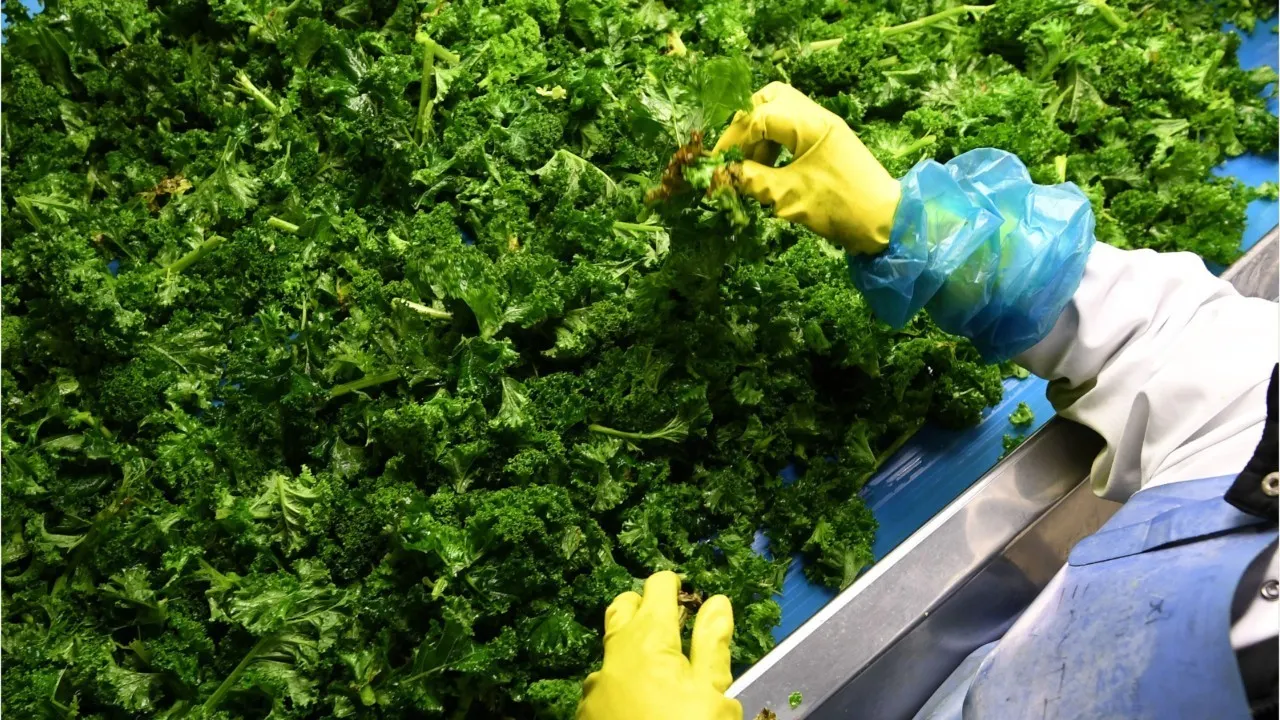
A report issued by the American Environmental Working Group has unveiled a list of 12 types of fruits and vegetables most contaminated with pesticides for the year 2026. Spinach leads the list of vegetables with the highest levels of pesticide residues and chemicals, while strawberries rank first among the most contaminated fruits.
The report is based on the latest tests conducted by the U.S. Department of Agriculture, which showed that spinach, considered one of the most nutrient-rich vegetables, contains the highest percentage of pesticide residues compared to any other type of agricultural product.
Details of the Findings
The list includes 12 types of the most contaminated fruits and vegetables ranked in descending order: spinach, kale, strawberries, grapes, nectarines, peaches, cherries, apples, blackberries, pears, potatoes, and blueberries. The Environmental Working Group noted that the banned pesticide "DDT" has lingering effects in the soil, with 40% of spinach samples containing breakdown products of this toxic substance.
The report also revealed that 76% of the samples contained residues of "permethrin," a neurotoxic pesticide that has been banned in Europe for use on food crops since 2000. Permethrin is a chemical compound belonging to the synthetic "pyrethroids" group, primarily used as an insecticide and pest repellent, and high doses can lead to nervous system fatigue.
Context and Background
Concerns are growing regarding the impact of pesticides on public health, as 31 different types of "PFAS" pesticides were detected in samples from 47 types of agricultural products. Fludioxonil was the most common chemical found, with peaches, plums, strawberries, and grapes showing the highest levels of "PFAS" pesticide residues.
In 2015, the journal Springer Nature published a study on the relationship between increased exposure to "pyrethroid" pesticides and Attention Deficit Hyperactivity Disorder (ADHD) in children, indicating that this association is stronger for hyperactivity and impulsivity symptoms compared to attention deficit symptoms.
Consequences and Impact
A preliminary study published in the journal Science Direct in August 2023 found a link between pregnant women's exposure to pesticides and an increased risk of preterm birth, due to the role of pesticides in triggering inflammation and disrupting endocrine functions. The U.S. Environmental Protection Agency confirmed that exposure to various types of "PFAS" pesticides can lead to reduced fertility, high blood pressure in pregnant women, low birth weight, and negative effects on the immune system.
Studies have also shown that the risks associated with "PFAS" pesticides include an increased risk of certain types of cancer, including prostate, kidney, and testicular cancers, raising concerns about long-term health effects.
Impact on the Arab Region
Fruits and vegetables are a fundamental pillar of any healthy diet, hence the Environmental Working Group's recommendation not to avoid consuming them despite the presence of pesticides, as the health benefits outweigh the risks. However, consumers in the Arab region should be aware of the potential risks associated with pesticides and seek organic or locally sourced agricultural products whenever possible.
In conclusion, the U.S. Food and Drug Administration has outlined seven steps to clean fruits and vegetables and reduce the harmful health effects associated with agricultural practices and storage, reflecting the importance of health awareness in society.