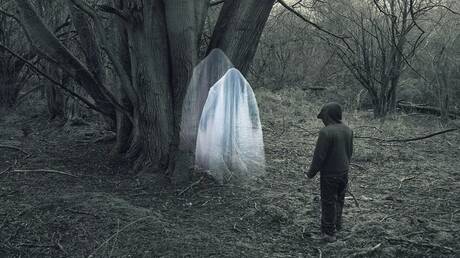
Various cultures have shared ghost stories throughout history, but those linked to bloody wars carry a deeper impact. These phenomena raise questions about the human spirit and the effects of conflicts on places.
Studies indicate that wars leave not only physical scars but also spiritual and psychological ones. Locations that have witnessed violent battles are often considered haunted, as it is believed that the spirits of the victims still roam those areas, creating an atmosphere of mystery and fear.
Details of the Events
There are numerous stories and testimonies about ghosts appearing in sites that have experienced bloody conflicts. From the Battle of Waterloo to the American Civil War, narratives recount the appearances of soldiers' ghosts who perished in those battles. These phenomena are not mere myths; they reflect the depth of pain and suffering endured by these individuals.
Sometimes, these ghosts are seen as symbols of collective pain, with people showing great interest in visiting these sites, reflecting their desire to understand history and connect with the past. These phenomena also raise questions about how wars affect the collective memory of nations.
Background & Context
Historically, wars have always been associated with feelings of loss and pain, with each conflict seen as an opportunity to renew collective memory. In various cultures, ghosts are considered embodiments of souls that have not yet found peace. In the Arab world, stories are told about specific places believed to be haunted, reflecting the impact of wars on cultural identity.
There are numerous narratives about ghosts in the Arab world, where it is believed that some locations that have witnessed historical battles carry spiritual traces. These stories are part of the folklore, illustrating how communities interact with their painful experiences.
Impact & Consequences
Studies show that places that have experienced bloody wars are considered tourist attractions, as people seek to explore history and connect with the spirits believed to still exist. This interest may contribute to enhancing cultural tourism, aiding in the reconstruction of the cultural identity of affected areas.
However, this interest also raises questions about how to deal with these phenomena. Should these places be considered sacred, or should they be used as tourist destinations? These questions reflect the conflict between preserving historical memory and achieving economic benefit.
Regional Significance
In the Arab region, wars are part of modern history, with many countries experiencing bloody conflicts. These events shape part of cultural identity, emphasizing the importance of studying the spiritual effects of these wars.
The stories associated with ghosts in the Arab world embody collective pain, expressing the living memory of nations. This illustrates how painful experiences can shape the cultural identity of future generations.
In conclusion, stories related to ghosts associated with bloody wars demonstrate how conflicts can leave deep marks on collective memory. These phenomena are not mere myths; they reflect the depth of pain and suffering experienced by people, highlighting the importance of understanding history and its impact on the present.