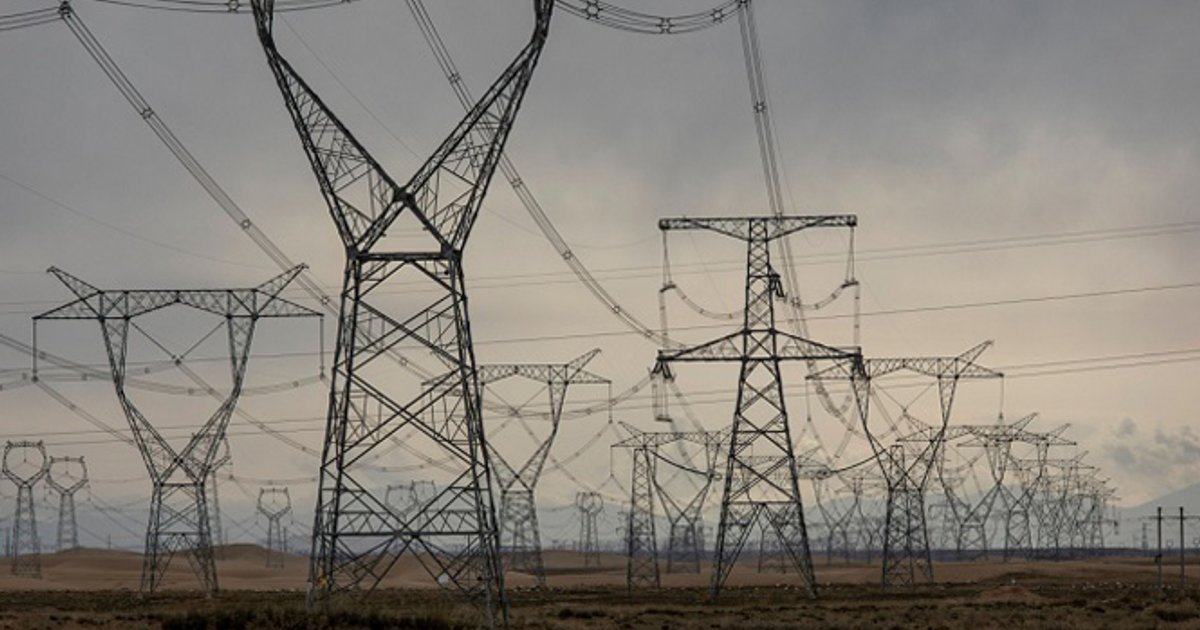
The Public Utilities Commission of Sri Lanka announced today, Sunday, an increase in electricity tariffs by up to 18% effective tomorrow, as a measure to compensate for the rising costs of energy production through thermal plants. This increase occurs amidst the ongoing crisis in the energy sector, which has been exacerbated by geopolitical tensions in the Middle East.
According to the new decision, consumers who exceed a monthly consumption of 180 units (kilowatt-hours) will be subject to this increase, while those with lower consumption will not be affected. The increase will also apply to industrial sectors, hotels, businesses, government institutions, and places of worship that exceed this consumption threshold.
Details of the Announcement
This step is part of a series of measures taken by the Sri Lankan government following disruptions in energy supplies linked to regional tensions. Last month, Sri Lanka raised electricity tariffs by 40%, reflecting the increasing pressures on the local economy.
The government has also raised fuel prices by more than 35% and imposed a rationing system in an attempt to mitigate the impacts of the ongoing energy crisis. These measures come at a time when citizens are facing rising living costs.
Background & Context
Sri Lanka is gradually seeking to recover from the severe economic crisis it faced in 2022, when its foreign reserves necessary for importing essential goods like food, fuel, and medicine ran out. This crisis led to widespread social unrest, with citizens protesting against the government.
Additionally, the country was hit by a devastating cyclone last year that claimed at least 643 lives and affected more than 10% of its population of 22 million, causing direct losses estimated at $4.1 billion according to the World Bank.
Impact & Consequences
These measures have led to inflation rates rising to 5.4% in April, more than doubling, according to official data, reflecting the increasing economic pressures. Citizens are feeling the effects of these increases on their daily lives, as living costs rise significantly.
The government is seeking sustainable solutions to the energy crisis, but challenges remain, especially under the difficult economic conditions the country is experiencing.
Regional Significance
The energy crisis in Sri Lanka serves as an example of the challenges faced by many countries in the region, where geopolitical tensions impact energy supplies and prices. This situation may serve as a warning to Arab countries that rely on energy imports, necessitating consideration of alternative strategies to enhance energy security.
In conclusion, Sri Lanka's current crisis reflects the complex economic challenges faced by developing countries and highlights the importance of strategic planning in managing natural resources.