Sri Lanka announced on Monday an increase in electricity prices, with a rise of 7.2% for most households and 8.7% for industrial sectors. This decision comes at a time when the island nation is facing a significant rise in energy costs due to the ongoing war with Iran.
The new prices are related to a financial support program worth $2.9 billion with the International Monetary Fund, signed in 2023 to aid recovery from a severe financial crisis. The program aims to implement energy pricing that reflects actual costs several times a year, ensuring the financial stability of the state-owned electricity company, Ceylon Electricity Board, according to Reuters.
Details of the Price Increase
The electricity regulatory authority clarified that hotels, which are part of the vital tourism sector, will see an increase of 9.9%, while low-income households will face increases ranging from 4.3% to 6.9% under the new tariffs. Professor Chandra Lal, head of the Public Utilities Commission, confirmed to reporters in Colombo that if energy prices rise again due to the war, the commission will consider submitting a new request for further electricity price hikes.
Initially, the Sri Lankan Electricity Board had proposed an increase of 13.56% to cover a revenue shortfall of 15.8 billion rupees (approximately $52.6 million) due to rising costs, with the new tariffs set to take effect from the beginning of April.
Background & Context
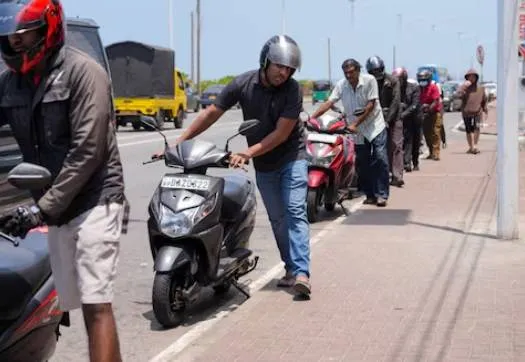
It is noteworthy that Sri Lanka declared a public holiday on Wednesday and imposed a fuel rationing system, having raised gasoline prices by approximately 35% earlier this month as part of efforts to curb consumption. In this context, Janaka Rajakaruna, chairman of the state-owned Ceylon Petroleum Corporation, stated that the country is in talks with Russia, India, and the United States to secure continuous fuel supplies, spending $600 million to purchase refined fuel for April.
Rajakaruna added that the country is struggling to purchase 90,000 metric tons of crude oil needed to operate its only oil refinery and ensure sufficient stocks of fuel oil to run thermal power plants. These challenges arise amid a growing global energy crisis, increasing pressure on the Sri Lankan economy.
Impact & Consequences
The increase in electricity prices in Sri Lanka is a step that could significantly affect the lives of citizens, especially amid the difficult economic conditions the country is experiencing. The rise in energy costs may lead to higher prices for other goods and services, exacerbating the struggles of low-income households.
This decision may also impact other economic sectors, such as tourism and industry, which heavily rely on stable energy prices. Consequently, any further price increases could lead to a decline in investments in these sectors, negatively affecting overall economic growth.
Regional Significance
The energy crisis in Sri Lanka serves as an example of the challenges faced by many countries in the region, particularly amid geopolitical crises and their impact on global energy prices. Arab countries, which heavily depend on oil and gas exports, may also face similar pressures due to fluctuations in global prices.
In this context, it may be important for Arab nations to enhance their strategies in renewable energy and reduce reliance on traditional energy sources to ensure stable energy prices and avoid future crises.
In conclusion, the increase in electricity prices in Sri Lanka reflects the significant challenges the country faces amid global crises, highlighting the need for effective measures to ensure energy stability and achieve sustainable development.