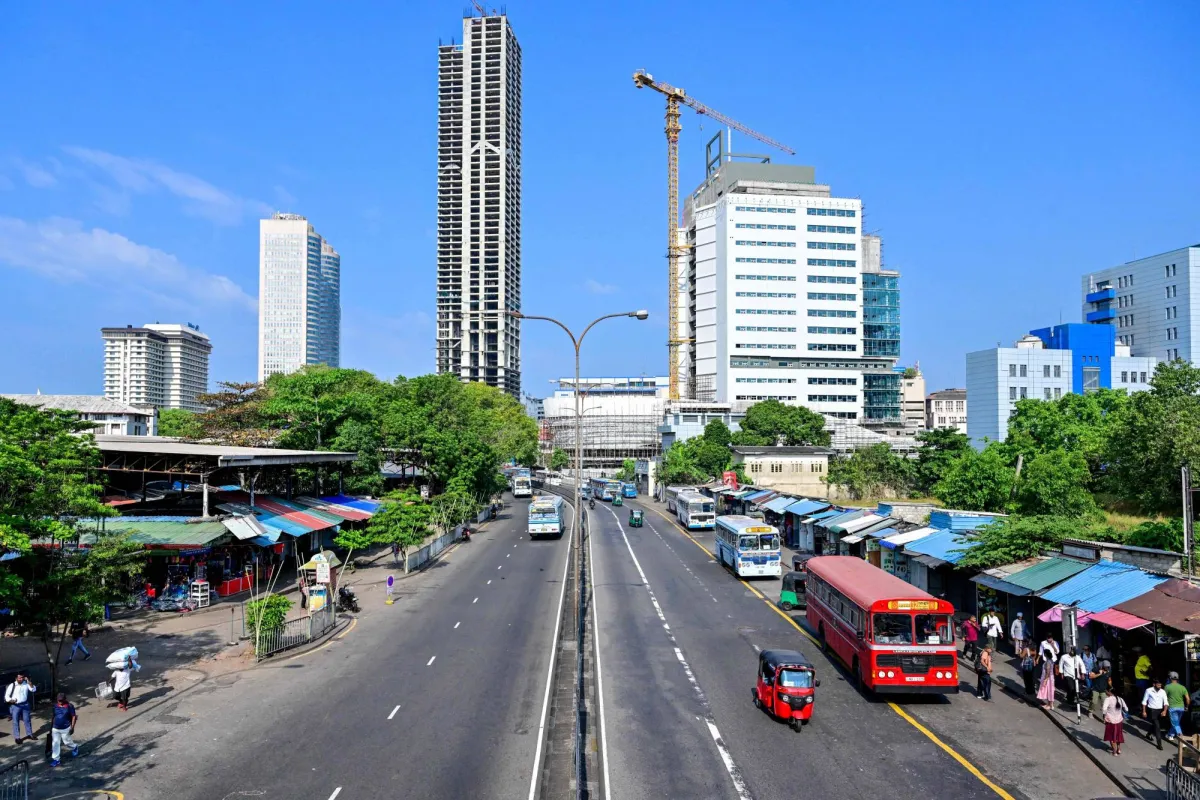
The Sri Lankan government has raised fuel prices by 25% as of last Sunday, marking the second increase within a span of two weeks. This increase comes amid necessary precautions in light of escalating tensions in the Middle East and their potential impact on energy supplies. As a result of this rise, the price of regular gasoline has soared to 398 rupees ($1.30) from 317 rupees, while diesel now costs 382 rupees after an increase of 79 rupees.
In a related development, the government enacted a decision last week to increase fuel prices by 8% and implement a rationing system to reduce consumption. An official from Ceylon Petroleum Corporation indicated that the government aims to cut fuel usage by 15% to 20% as a result of these measures.
Sri Lankan President Anura Kumara Dissanayake urged citizens to prepare for a prolonged conflict in the Middle East that could negatively affect energy supplies. The government has also announced a reduction in the workweek to four days and directed employers to enable remote working where possible.
It is noteworthy that Iran has recently closed the Strait of Hormuz, a vital passage where approximately 20% of the world’s oil exports typically transit. This action is a response to the ongoing US-Israeli war against it, which has entered its fourth week, raising concerns about stability in global oil markets.
Sri Lanka, which relies entirely on oil imports, faces significant economic challenges due to rising oil prices and supply disruptions. Since the major economic crisis in 2022, during which the country defaulted on $46 billion in external debt, Sri Lanka received a $2.9 billion bailout from the International Monetary Fund (IMF), but the effects of regional conflicts continue to complicate economic conditions.
On another note, Australian Energy Minister Chris Bowen pointed out the cancellation or postponement of six fuel vessels scheduled to arrive in Australia next month, acknowledging the slowdown in oil flow to Asian refineries due to the conflict. However, he assured that the domestic stock is sufficient to cover gasoline, diesel, and aviation fuel consumption.
The potential impacts of this conflict are not limited to Sri Lanka and Australia but extend to several countries that depend on oil imports. The situation raises global concerns as many nations resort to implementing policies to support citizens and mitigate the effects of price increases triggered by regional upheavals.
In recent statements, Malaysian Prime Minister Anwar Ibrahim announced an increase in financial aid from 700 million ringgit to 3.2 billion ringgit within less than a week due to rising oil prices linked to the fighting in West Asia, emphasizing the importance of ensuring citizens' well-being amidst these crises.
Current attention is focused on how these events will impact the public revenues of both Sri Lanka and Malaysia, as oil prices play a central role in East Asian economies. Amid these changes, governments in the region will need to restore balance in their economic policies and ensure energy security for their citizens.