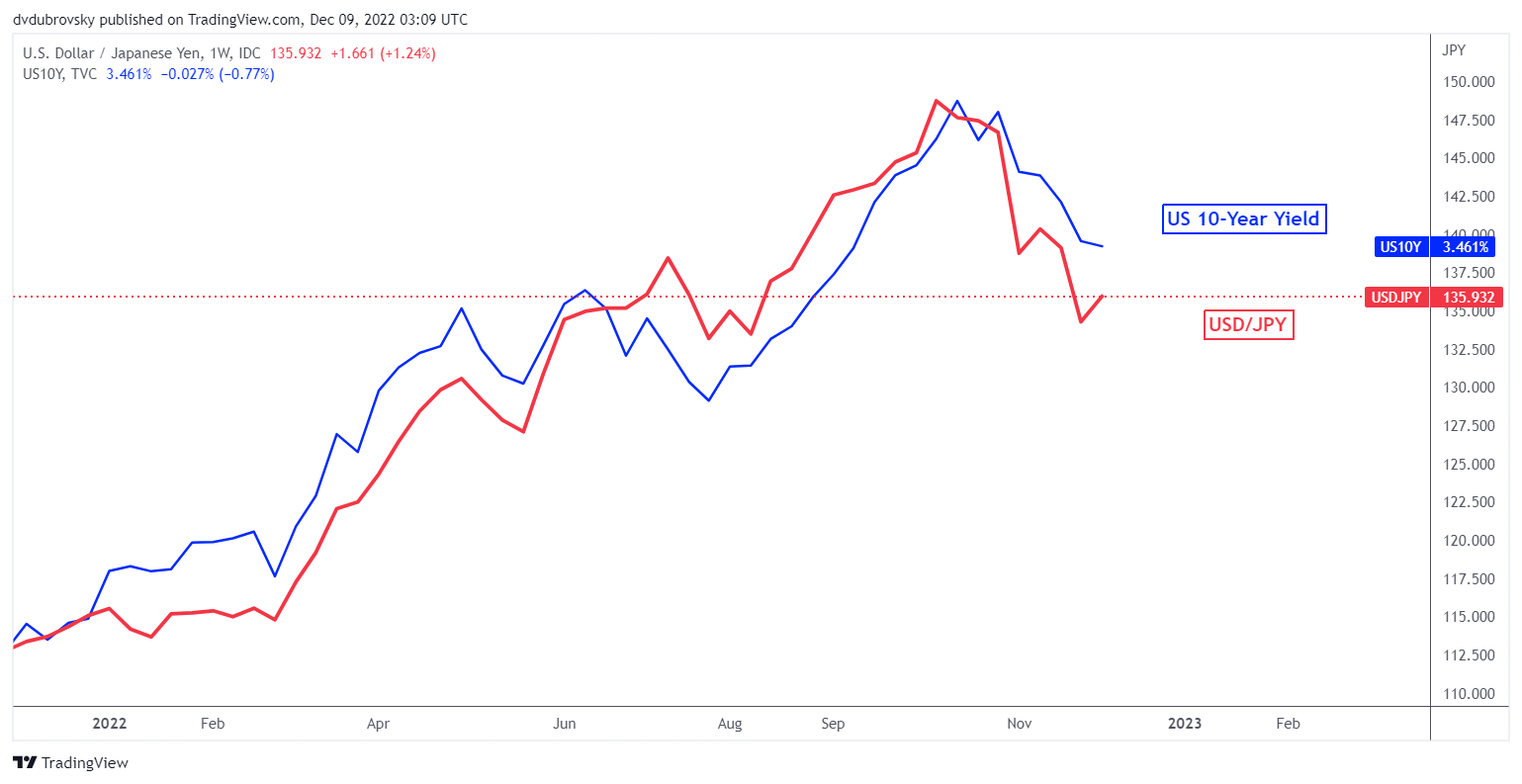
The US dollar has shown remarkable stability in financial markets, reflecting a steady performance amidst global market fluctuations. In contrast, the Japanese yen is facing increasing pressure as it approaches a critical level that could significantly impact the Japanese economy. These developments come at a sensitive time, with markets eagerly awaiting any signals regarding the possibility of a ceasefire in the ongoing conflict in Iran.
There is a growing optimism regarding the potential for peace in Iran, which could contribute to the stability of global financial markets. Achieving a ceasefire agreement could alleviate tensions in the region, potentially leading to improved economic conditions in neighboring countries.
Event Details
Economic data indicates that the US dollar has maintained its strength against most major currencies, reflecting confidence in the US economy. Meanwhile, the Japanese yen is facing challenges due to the monetary policies pursued by the Japanese government, which aim to stimulate economic growth. As the yen approaches critical levels, any further decline could have negative repercussions for the Japanese economy.
Simultaneously, markets are closely monitoring developments in Iran, where international calls for a ceasefire have intensified. Any progress in this direction could restore stability to financial markets and enhance the value of currencies affected by the conflict.
Background & Context
Historically, international relations have experienced increasing tensions due to armed conflicts, impacting currency stability. The conflict in Iran is not new; it is part of a series of events that have unfolded in the region over the past years. The stability of the US dollar serves as an indicator of the strength of the US economy, while the decline of the Japanese yen reflects the challenges Japan faces in light of global economic conditions.
Financial markets are significantly influenced by political events, as any escalation in the conflict could lead to sharp fluctuations in currency prices. Therefore, reaching a ceasefire agreement in Iran is a crucial step towards achieving stability in the region.
Impact & Consequences
If a ceasefire is achieved in Iran, it could lead to improved trade relations between neighboring countries, enhancing investments and increasing the flow of funds into the region. Additionally, the stability of the Japanese yen could contribute to strengthening the Japanese economy, benefiting global markets.
On the other hand, the continuation of the conflict could exacerbate economic crises, negatively impacting currencies and increasing uncertainty in the markets. Thus, closely monitoring developments in Iran is essential for understanding future trends in financial markets.
Regional Significance
The Arab region is experiencing direct effects from the conflict in Iran, as any escalation could lead to increased tensions in neighboring countries. Stabilizing the situation in Iran could contribute to enhancing security and stability in the region, positively reflecting on the Arab economy as a whole.
Ultimately, hope remains pinned on the possibility of reaching a ceasefire agreement, as this could open new avenues for economic cooperation between Arab countries and Iran, thereby enhancing regional stability.