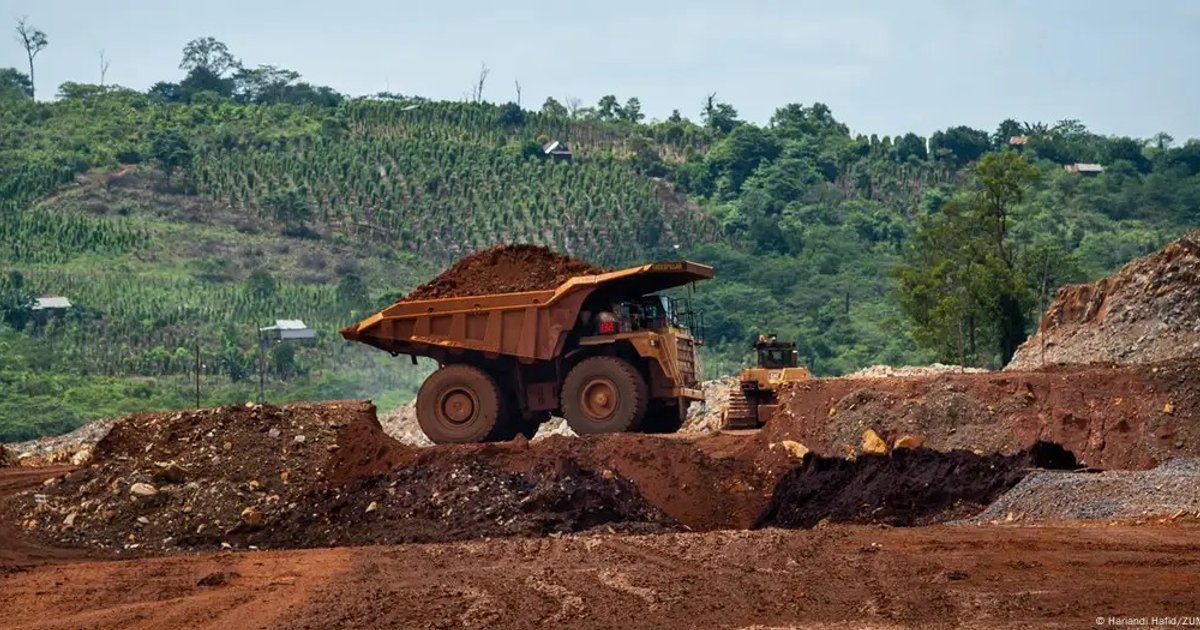
The Indonesian Ministry of Energy and Mineral Resources reported that nickel prices have stabilized at $17,000 per ton after the government implemented a policy to reduce production quotas. Tri Winarnu, the Director General of Minerals and Coal at the ministry, noted that prices had reached $18,600 per ton before settling into the current range.
During a conference titled "Opening Growth Horizons in the Middle-Income Trap" in Jakarta, Winarnu explained that prices were previously fluctuating between $14,000 and $15,000 per ton before the reduction policy was enacted. He attributed the price decline to an oversupply of nickel in the global market, with a surplus estimated at around 200,000 to 250,000 tons.
Details of the Production Cuts
This move is part of the Indonesian government's efforts to control nickel production, as it announced its intention to limit production starting from December 23, 2025. This announcement led to an immediate increase in nickel prices in global markets, with officials hoping that this policy will help prevent a new surplus in the market.
Winarnu pointed out that Indonesia accounts for 65% of global nickel supplies, making it a key player in price determination. Thus, Indonesia aims to strengthen its position as a major nickel supplier in the global market.
Background & Context
Historically, nickel prices have experienced significant fluctuations due to various factors, including global demand for metals used in battery and technology manufacturing. With the rising demand for nickel in recent years, particularly from electric vehicle manufacturers, it has become essential for Indonesia to take steps to ensure price stability.
Before implementing the reduction policy, the government had ambitious plans to increase production; however, the market surplus led to a reevaluation of these plans. The reduction policy is expected to improve the balance between supply and demand in the market.
Impact & Consequences
This policy is expected to positively affect nickel prices in global markets, potentially benefiting the Indonesian economy. Additionally, price stability may encourage further investments in the mining sector, contributing to economic growth.
However, the Indonesian government must closely monitor the market to ensure that no unexpected fluctuations occur. Maintaining the balance between supply and demand is vital for sustaining price stability.
Regional Significance
Indonesia is one of the largest producers of nickel in the world, which significantly impacts the global market. The country's decisions regarding production levels can influence prices and availability in international markets, making its policies crucial for global supply chains.
In conclusion, the recent production cuts and the stabilization of nickel prices reflect Indonesia's strategic approach to managing its resources and ensuring a sustainable market environment.