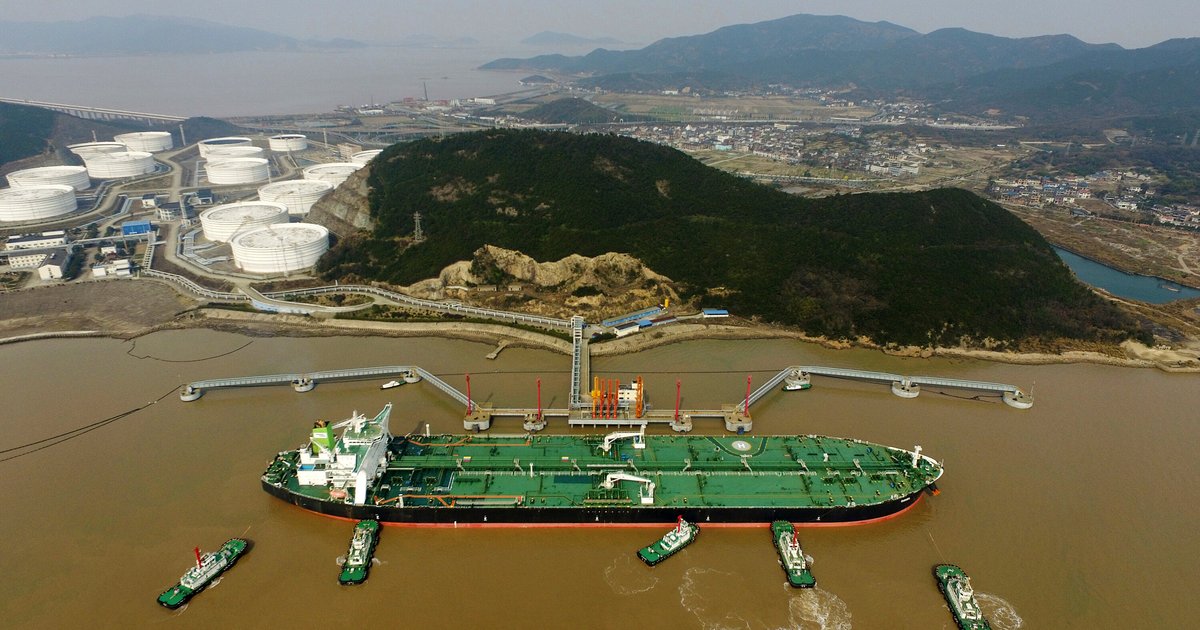
Oil prices have stabilized in global markets, as traders evaluate the future prospects of the ongoing conflict in the Middle East. Both Iran and the United States have indicated openness to reaching a resolution to the dispute, which could contribute to stabilizing energy markets that have experienced significant volatility in recent times.
These developments come at a sensitive time, as the global economy suffers from the effects of the ongoing war, which has led to unprecedented increases in energy prices. These hikes have impacted many countries, prompting them to seek quick solutions to alleviate economic pressures.
Details of the Event
Reports indicate that oil traders are closely monitoring any new developments in negotiations between Iran and the United States. The involved parties have expressed a desire to find a way out of the crisis, which could lead to price stabilization in the near future. This openness represents a glimmer of hope amid the difficult economic conditions faced by many nations.
At the same time, oil prices continue to fluctuate, with slight increases recorded in recent days, reflecting a state of caution among investors. However, any progress in negotiations could help bolster confidence in the markets.
Background & Context
Historically, the Middle East has been a center of conflicts and disputes, significantly affecting global energy markets. For decades, there have been ongoing tensions between Iran and the United States, especially following the latter's withdrawal from the nuclear agreement in 2018. This led to the imposition of economic sanctions on Iran, impacting its oil production.
Moreover, other regional conflicts, such as the wars in Syria and Yemen, have exacerbated the situation in the region. Nevertheless, the current openness to dialogue between Iran and the United States may represent a turning point in relations between the two parties.
Impact & Consequences
If an agreement is reached between Iran and the United States, it could lead to an increase in Iranian oil production, contributing to price stabilization on a global scale. This is particularly important for oil-importing countries that are struggling with rising costs.
On the other hand, any failure in negotiations could worsen the situation and increase volatility in the markets. Therefore, traders and investors in energy markets are closely monitoring these developments, as they could directly impact their investments.
Regional Significance
Arab oil-producing countries, such as Saudi Arabia and the UAE, are among those most affected by the developments in the Iranian-American conflict. Any stabilization in oil prices could benefit the economies of these nations, which heavily rely on oil revenues.
Conversely, the continuation of the conflict may increase economic pressures on Arab oil-importing countries, necessitating measures to adapt to the changing circumstances.
Current developments in the Iranian-American conflict represent an opportunity to ease tensions in the region and may lead to oil price stabilization. However, the future remains uncertain, and all parties involved must work diligently to reach lasting solutions.