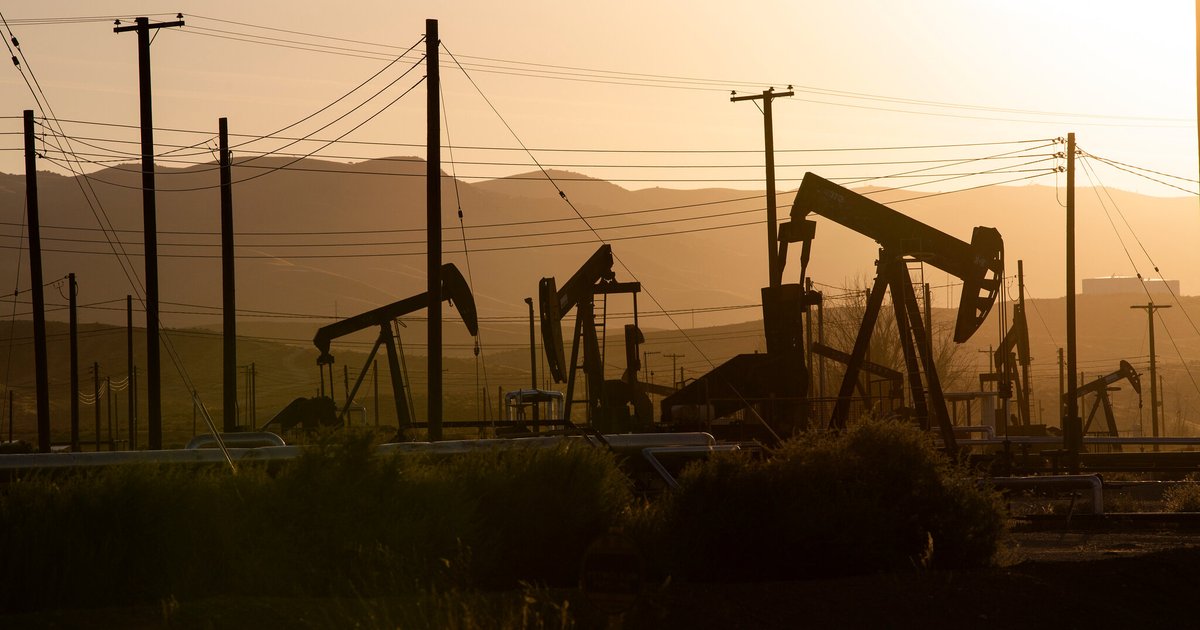
Oil prices have shown significant stability in recent days, maintaining levels without major fluctuations. This stability reflects a balance between supply and demand in global markets, occurring at a critical time as geopolitical events impact the energy market.
Oil prices are influenced by several factors, including global production, demand from major countries, and political and economic crises. Recently, data has shown that oil production in some OPEC member countries has stabilized, contributing to price support.
Event Details
According to reports, crude oil prices have stabilized at levels ranging between 80 and 85 dollars per barrel, indicating market stability. Several factors have contributed to this stability, including the commitment of producing countries to cut production and increased demand from major markets such as China.
Additionally, geopolitical tensions in certain regions, such as the Middle East, have also affected market expectations, making investors more cautious. However, the current stability may provide an opportunity for consuming countries to better plan their economic strategies.
Background & Context
Historically, oil prices have experienced significant fluctuations due to political and economic crises. For instance, in 2020, prices sharply declined due to the COVID-19 pandemic, negatively impacting the global economy. Nevertheless, the gradual recovery seen in markets since then has contributed to regaining some stability.
The OPEC organization and its allies are among the key players in the oil market, coordinating production to ensure price balance. Recent data has shown that some member countries have increased their production, which has contributed to price stability.
Impact & Consequences
The stability of oil prices directly affects the global economy, as oil prices are a key indicator of inflation and economic growth. When prices are stable, consuming countries can better plan their budgets, enhancing investments and growth.
On the other hand, oil-producing countries heavily rely on oil revenues, and any fluctuations can impact their budgets. Therefore, the current stability may serve as an opportunity to enhance cooperation between producing and consuming countries.
Regional Significance
Arab countries are among the largest oil producers in the world, and thus price stability significantly impacts their economies. Countries like Saudi Arabia, the UAE, and Kuwait heavily depend on oil revenues, making price stability vital for their development plans.
Moreover, price stability may help promote investments in the renewable energy sector, as many Arab countries seek to diversify their economies and reduce reliance on oil.
In conclusion, the stability of oil prices remains a vital topic that requires close monitoring, as any changes could impact the global economy in general and Arab countries in particular.