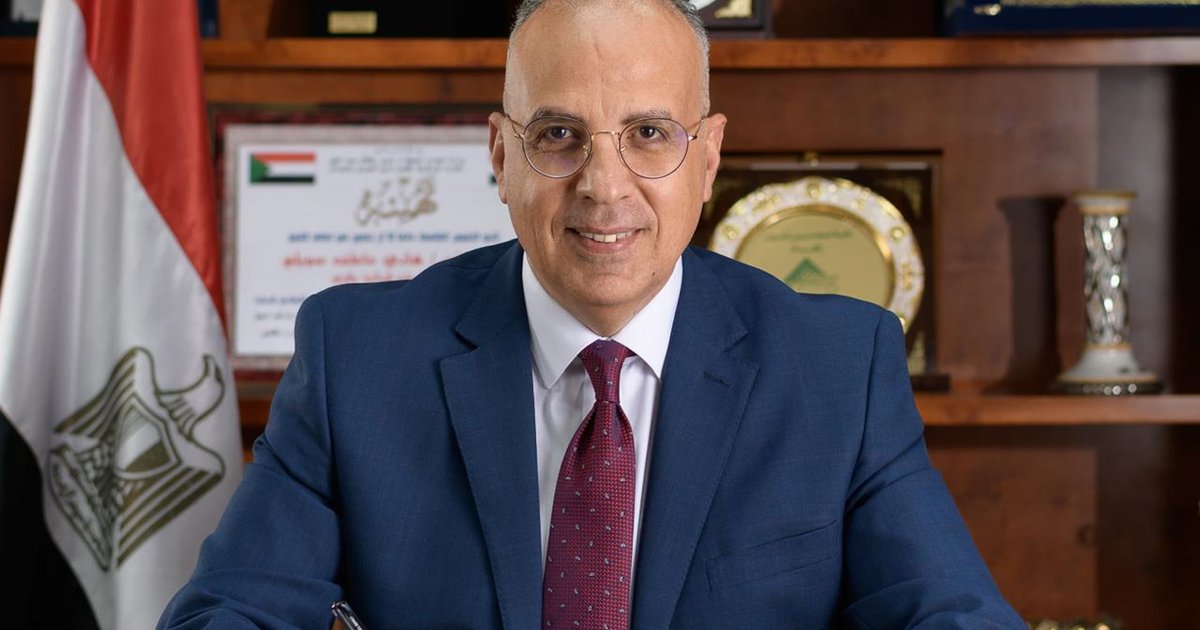
Dr. Hani Sweilem, Minister of Water Resources and Irrigation, stated that indicators of Egypt's water situation are stable, supported by rising storage levels in the High Dam, which positively affects the sustainability of agricultural activities and has not led to complaints regarding water shortages.
The minister explained that the state has intensified its investments in flood protection projects, having implemented over 1,650 structures as part of a strategy aimed at reducing climate risks and protecting infrastructure and agricultural land, thereby supporting production stability.
Event Details
Sweilem noted that Egypt continues to enhance its regional presence in water resource management through its leadership role in African institutions, including previously chairing the African Ministers' Council on Water and currently leading the African Water Facility. This role contributes to supporting technical cooperation, exchanging expertise, and attracting funding for water projects.
Regarding preparations for the summer season, the minister confirmed that the ministry has been operating under a clear operational plan since the beginning of the year, which includes regular monitoring and field tours to ensure efficient water distribution, achieving optimal use of water resources during peak periods.
Background & Context
Water resource management is a vital issue in Egypt, as the country heavily relies on the Nile River as its main water source. With increasing climate challenges, the government seeks to enhance the sustainability of water resources through various projects.
The government is also continuing to expand the application of modern irrigation systems, despite some challenges in full compliance. The transition to these systems represents a key tool for improving water use efficiency and increasing productivity per feddan, in coordination with the Ministry of Agriculture.
Impact & Consequences
In the rice cultivation sector, the minister indicated that the determination of areas is based on technical and economic considerations that balance local market needs with water use efficiency, adhering to a “rotation” system to ensure timely water delivery. He also emphasized the strategic importance of rice cultivation in northern regions to mitigate seawater intrusion with the aquifer.
The Minister of Irrigation stressed that Egypt is committed to protecting its water rights within the framework of international laws, asserting that any water projects on shared rivers should not negatively impact water flows, thus preserving the country's water and economic security.
Regional Significance
Water management in Egypt serves as a model for the region, as many Arab countries seek to improve their strategies in this field. Regional cooperation in water resource management is essential to address common challenges.
In conclusion, the minister emphasized the importance of continuing to develop effective strategies to ensure the sustainability of water resources, contributing to achieving food security and enhancing sustainable development in the country.