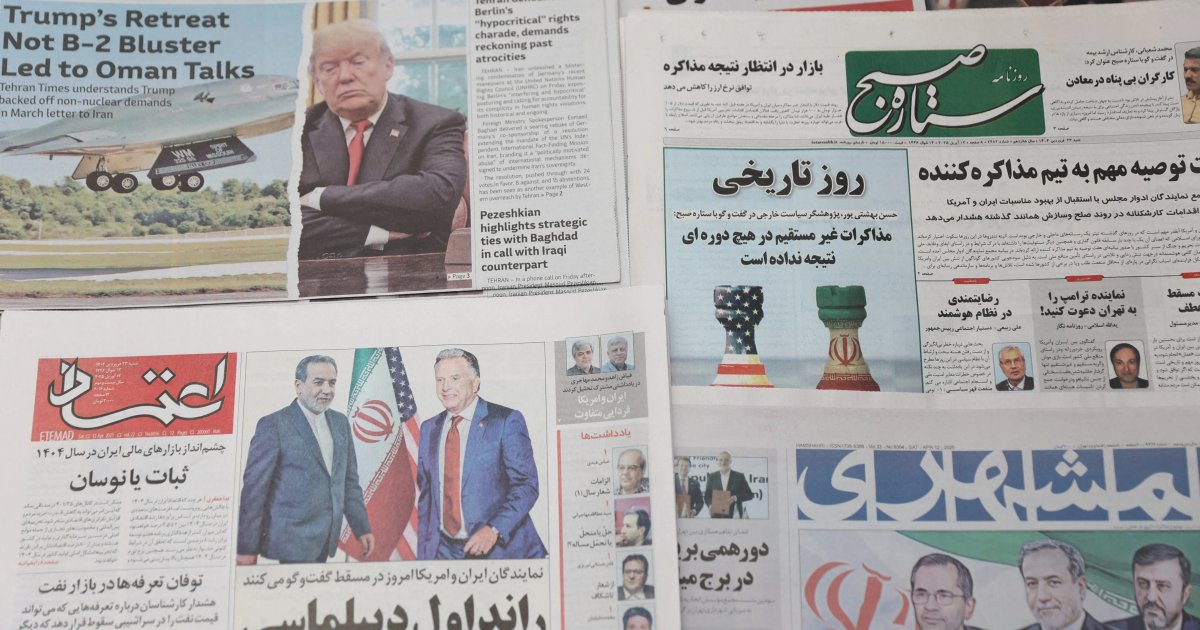
The United States has communicated to Israel that discussions concerning Iran's nuclear program have hit a dead end, according to informed sources cited by the newspaper "Israel Hayom." This information emerges at a sensitive time, as concerns about rising tensions in the region are increasing.
These talks are part of international efforts aimed at preventing Iran from developing nuclear weapons and have seen several rounds of negotiations between Iran and major powers, including the United States. However, it appears that these efforts are facing significant obstacles, raising alarm among many countries in the region.
Details of the Stalemate
The sources reporting this news confirmed that the deadlock in negotiations reflects a lack of agreement among the concerned parties on several key issues, including uranium enrichment and sanctions imposed on Iran. This situation could lead to heightened tensions in the region, especially as Iran continues to advance its nuclear program.
Both the United States and Israel have expressed concern that Iran may exploit this stalemate to bolster its nuclear program, which could have serious repercussions for regional and international security. At the same time, Iran is seeking to strengthen its position in negotiations by continuing to develop its nuclear capabilities.
Background & Context
The roots of these negotiations trace back to the nuclear agreement reached in 2015, which was abandoned by former U.S. President Donald Trump's administration in 2018. Since then, relations between Iran and Western countries have been increasingly strained, with the United States accusing Iran of violating the terms of the agreement.
In recent years, the administration of President Joe Biden has attempted to revive these talks, but it has faced significant challenges in achieving tangible progress. These circumstances reflect the ongoing difficulties the international community faces in addressing Iran's nuclear program.
Impact & Consequences
The deadlock in talks with Iran could lead to serious implications for regional security. An escalation of tensions may result in increased military provocations in the area, threatening the stability of neighboring countries. Furthermore, the failure to reach an agreement could strengthen the position of Iran-backed armed groups, complicating the security situation even further.
Moreover, the stalemate in negotiations could negatively impact relations between the United States and its allies in the region, as some allies may feel insecure due to the absence of a binding agreement with Iran. This situation could prompt some countries to take unilateral steps to enhance their defensive capabilities.
Regional Significance
For Arab countries, the deadlock in talks with Iran may heighten concerns regarding Iranian influence in the region. Many Arab nations view Iran's nuclear program as a threat to their national security, and the stalemate in negotiations could escalate tensions between Iran and these countries.
Under these circumstances, some Arab nations may seek to bolster security and military cooperation with the United States and other countries to address the challenges that may arise from Iran's nuclear program. Additionally, the situation may open the door for further regional dialogue on how to tackle common security threats.
In conclusion, the deadlock in talks with Iran poses a significant challenge to regional and international security, reflecting the urgent need for effective diplomatic solutions to ensure stability in the region.