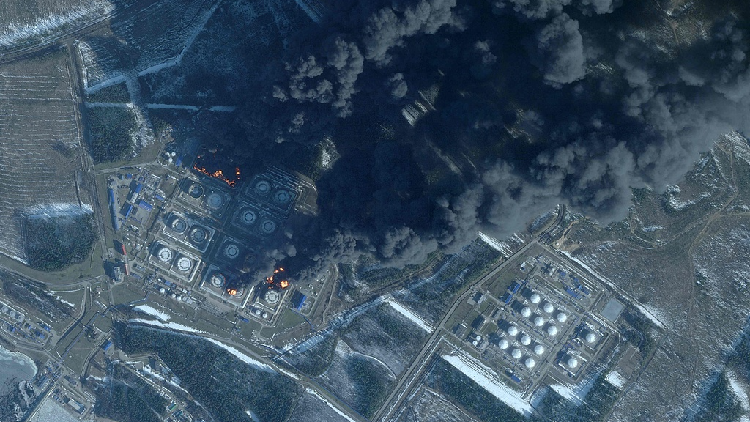
Peace talks in Ukraine have stalled, with no solutions reached for the existing differences between the involved parties. This comes at a time when Russia continues to open communication channels with the United States, indicating its desire to maintain diplomatic dialogue despite rising tensions. In contrast, Western support for Ukraine is increasing, reflecting growing international concern over the implications of the conflict for security and stability in the region.
Energy pressures are mounting in Europe, as many European countries are affected by the ongoing conflict. These pressures reflect the complexity of the situation, where energy has become a weapon in the conflict, exacerbating tensions between European countries and Russia.
Details of the Ongoing Talks
Discussions between Ukraine and Russia are ongoing, but there appears to be a significant gap between the two sides, making it difficult to reach a peace agreement. Nevertheless, Russia remains open to dialogue with the United States, which may suggest the possibility of alternative diplomatic avenues. At the same time, Western nations continue to provide military and economic support to Ukraine, reflecting their commitment to addressing the challenges posed by Russia.
Concerns are growing in Europe about the implications of the conflict on energy supplies, as many countries rely on Russian gas. These tensions could exacerbate economic crises in the region, increasing pressure on European governments.
Background & Context
The history of the Ukrainian conflict dates back to 2014, when Russia annexed Crimea, leading to heightened tensions between Russia and Ukraine. Since then, the region has witnessed numerous conflicts and battles, affecting political and economic stability. As the conflict escalates, it has become clear that there is an urgent need for a comprehensive peace agreement that guarantees the rights of all parties involved.
In recent years, relations between Russia and the West have deteriorated significantly, with Western nations accusing Russia of interfering in the affairs of other countries. This increasing tension has made it difficult to reach diplomatic solutions, further complicating the situation in Ukraine.
Impact & Consequences
The impact of the Ukrainian conflict extends beyond Ukrainian borders, affecting security and stability in Europe. The increasing Western support for Ukraine could lead to an escalation of the conflict, raising the likelihood of new confrontations in the region. Additionally, the economic pressures resulting from the conflict could exacerbate economic crises in many European countries, increasing instability.
Moreover, the conflict could affect global energy markets, as any escalation in the conflict may lead to rising energy prices, impacting the global economy as a whole. These dynamics make it essential for countries to take urgent steps towards finding diplomatic solutions.
Regional Significance
For the Arab region, the Ukrainian conflict has multiple implications. The rise in energy prices due to the conflict may affect Arab countries that rely on oil and gas exports. Furthermore, the economic crises stemming from the conflict could lead to increased political tensions in the region, heightening the challenges faced by Arab nations.
Additionally, the escalating tensions between Russia and the West may impact international relations in the region, as Arab countries may find themselves needing to adapt to changes in global politics. In this context, it becomes crucial for Arab nations to adopt effective strategies to address these challenges.