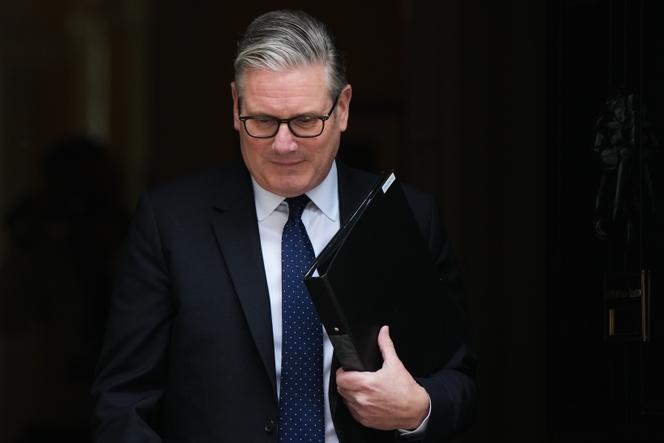
In a move that reflects his determination to confront pressure, British Prime Minister Keir Starmer announced on Tuesday, May 12, that he intends to "continue governing" the United Kingdom, despite growing calls for his resignation following disappointing results for the Labour Party in the recent local elections.
During a cabinet meeting at Downing Street, Starmer pointed out that the country expects his government to keep working, stating, "This is what I do and what we must do as a government." This statement came after Starmer faced sharp criticism from within his party, with 78 Labour MPs out of 403 calling for his resignation or for him to set a timeline for his departure.
Details of the Situation
Starmer, who became the leader of the Labour Party in April 2020, acknowledged that he bears responsibility for the election results, emphasizing his commitment to implementing the changes he promised. He noted that "the chaos resulting from ongoing leadership changes" has cost the country dearly, reflecting his concern about the impact of instability on the British economy.
In a related development, Miata Vanhabel, the Minister of State, tendered her resignation in an unprecedented move, urging Starmer to make a decision regarding his future in the party. In her message, Vanhabel stressed the need for a timeline for an orderly transition of power, highlighting the increasing pressures within the party.
Background & Context
These events come at a sensitive time for the United Kingdom, as the British economy faces significant challenges, including rising interest rates. The interest rates on 30-year government bonds have seen a notable increase, reaching 5.814%, the highest level since 1998, raising concerns about financial stability.
Historically, the British Labour Party has experienced periods of internal turmoil, especially following electoral defeats. These pressures have contributed to a volatile political landscape, as the party seeks to regain voter trust and achieve better results in upcoming elections.
Impact & Consequences
These developments signal a potential political instability that could affect economic and social policies in the United Kingdom. With increasing internal pressures, Starmer may find it challenging to implement his agenda, which could exacerbate economic crises.
Moreover, Starmer's potential resignation could open the door to new internal conflicts within the Labour Party, complicating the political landscape further. Under these circumstances, the question remains as to who will be the next leader capable of steering the party back on track.
Regional Significance
The implications of these events are pivotal in determining the future of the British government and its impact on political and economic stability in the country. As the Labour Party grapples with its internal challenges, the outcome will likely influence broader regional dynamics.
In conclusion, the current situation underscores the delicate balance of power within the UK government and the potential repercussions of leadership changes on the nation's economic health and political cohesion.