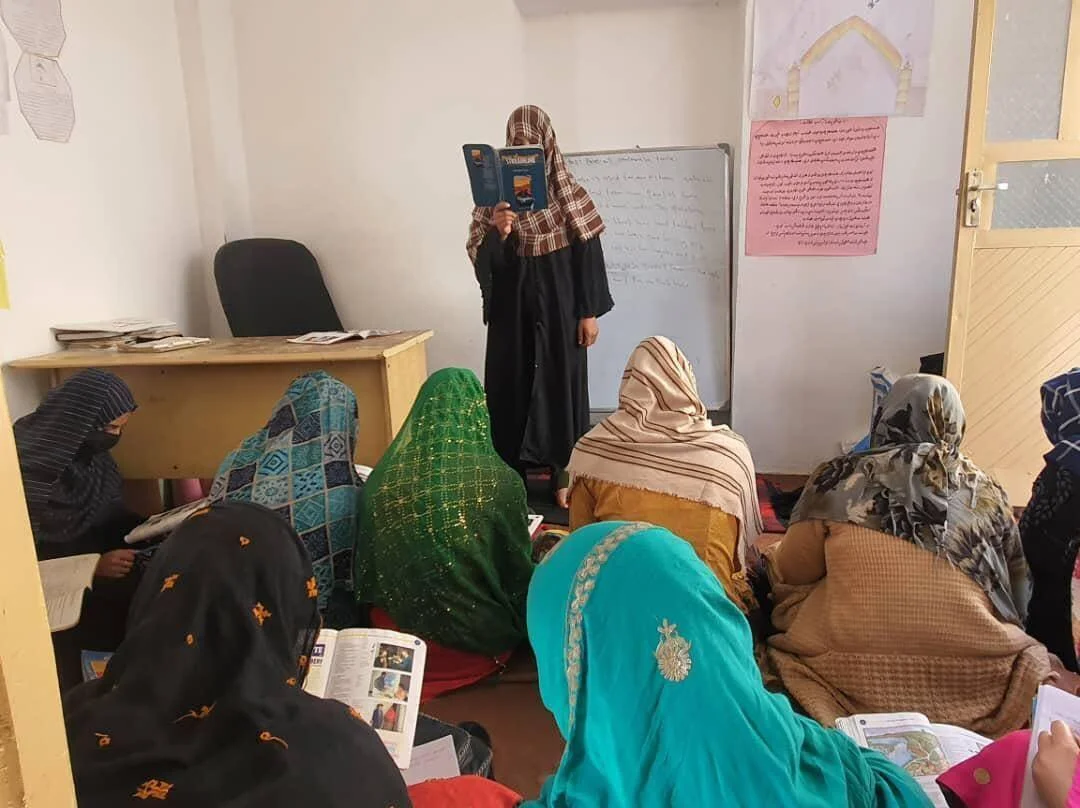
The new school year has begun in Afghanistan, where millions of male students have returned to school, while girls have been deprived of education since the Taliban's return to power in August 2021. This continuous deprivation highlights the significant challenges facing women's rights in the country and raises international concern about the future of education in Afghanistan.
This marks the fifth academic year that girls have been denied education, raising questions about the impact on their futures and the future of the country as a whole. While boys are allowed back into classrooms, girls remain outside the educational system, reflecting the Taliban's harsh policies towards women's rights.
Details of the Situation
As the new academic year begins, the Afghan Ministry of Education announced plans to resume education for boys, while no steps have been announced to improve the situation for girls. This reflects the political orientations of the Taliban, which continues to impose strict restrictions on the rights of women and girls.
It is worth noting that many international organizations, including the United Nations, have expressed deep concern over this situation. These organizations have called on the Taliban to reconsider its educational policies and allow girls to return to school. However, the movement has shown no signs of changing its policy so far.
Background & Context
Historically, Afghanistan has suffered from long-standing conflicts and has experienced periods of progress in women's rights, especially during the years following the overthrow of the first Taliban regime in 2001. However, the return of the Taliban to power has regressed the country in many areas, including education.
Since 2021, secondary schools have been closed to girls, resulting in a lost generation of girls who have missed the opportunity for education. This situation affects not only girls but Afghan society as a whole, as education is a fundamental factor in development and progress.
Impact & Consequences
The deprivation of education for girls has serious implications for the future of Afghanistan. Without education, girls will face difficulties in obtaining job opportunities, exacerbating poverty and discrimination. Additionally, the lack of education for girls negatively impacts public health and political and social participation.
Moreover, this situation could lead to increased social tensions within Afghanistan, as many are concerned that girls deprived of education may become victims of extremism and violence. Thus, the international community is closely monitoring developments in the situation in Afghanistan.
Regional Significance
The issue of girls' education in Afghanistan is of great importance to the Arab region. It reflects the challenges facing women's rights in many Islamic countries, where there are still restrictions on education and participation in public life. Denying girls education could lead to the spread of extremist ideologies in the region, threatening stability and security.
Furthermore, the situation in Afghanistan can serve as a lesson for Arab countries about the importance of promoting women's rights and providing education for all. Education is the key to development and prosperity, and it should be a fundamental right for every girl anywhere.
In conclusion, the situation in Afghanistan remains concerning and requires urgent international intervention to ensure girls' rights to education. The future of the country depends on educating all its children, regardless of their gender.