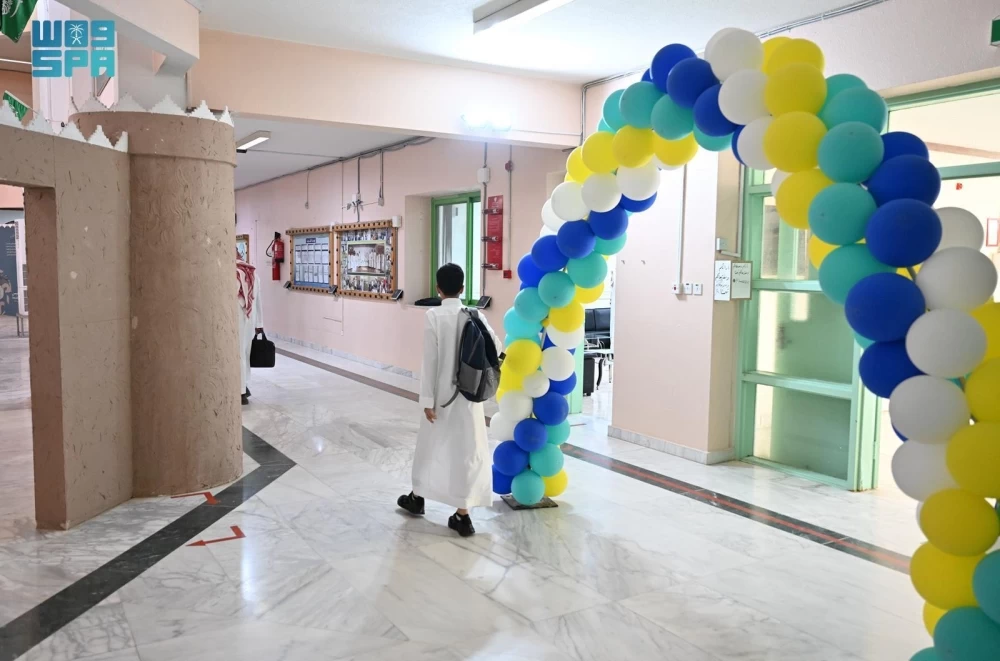
Tomorrow (Sunday), the Ministry of Education will start registering new students for primary education and kindergarten. The ministry announced that students born during the COVID-19 pandemic can enroll in formal education according to the approved age criteria.
The ministry clarified that the eligible age groups for registration include children who have completed 6 years or more before August 24, 2020, as they are considered part of the first acceptance category. The second category includes children who are under 6 years old with a maximum difference of 90 days, meaning those born from August 25, 2020, to November 22, 2020, provided they have completed a full academic year in kindergarten.
Event Details
The Ministry of Education confirmed that registration in kindergarten includes three levels. In the first level (KG1), children born from August 24, 2023, to August 25, 2022, will be accepted. In the second level (KG2), children born from August 24, 2022, to August 25, 2021, will be accepted, while the third level (KG3) targets children born from August 24, 2021, to August 25, 2020. This distribution ensures age compatibility with the requirements of each educational stage according to the approved standards.
This step comes as part of the ministry's efforts to facilitate the education process and provide educational opportunities for children affected by the COVID-19 pandemic, which led to significant changes in the educational system in many countries.
Background & Context
Educational systems worldwide have been impacted by the COVID-19 pandemic, with schools closing for extended periods, adversely affecting children's education. In this context, the Ministry of Education aims to accommodate children born during this period and provide them with support to enroll in formal education.
This initiative is part of the ministry's plan to develop education and enhance learning opportunities for children, especially given the challenges families faced during the pandemic. Additionally, this step reflects the government's commitment to providing a suitable educational environment for all children.
Impact & Consequences
This move is expected to increase the number of enrollments in formal education, thereby enhancing educational opportunities for children affected by the pandemic. Furthermore, this decision could lead to improved educational standards in the future, as it will help reduce educational gaps that may have resulted from delays in education during the pandemic.
Moreover, providing educational opportunities for children in this age group may contribute to enhancing social and economic development in the community, as education is one of the essential factors for achieving sustainable development.
Regional Significance
Many Arab countries are facing similar challenges due to the COVID-19 pandemic, with educational systems significantly affected. The experience of the Ministry of Education in this context could serve as a model for other countries seeking to restore and improve their educational systems.
This step may also inspire other countries in the region to adopt flexible educational policies that align with exceptional circumstances, thereby enhancing educational opportunities for children throughout the Arab world.
In conclusion, registering children born during the COVID-19 pandemic in formal education represents an important step towards rebuilding the educational system and enhancing learning opportunities for children, contributing to achieving sustainable development in the community.