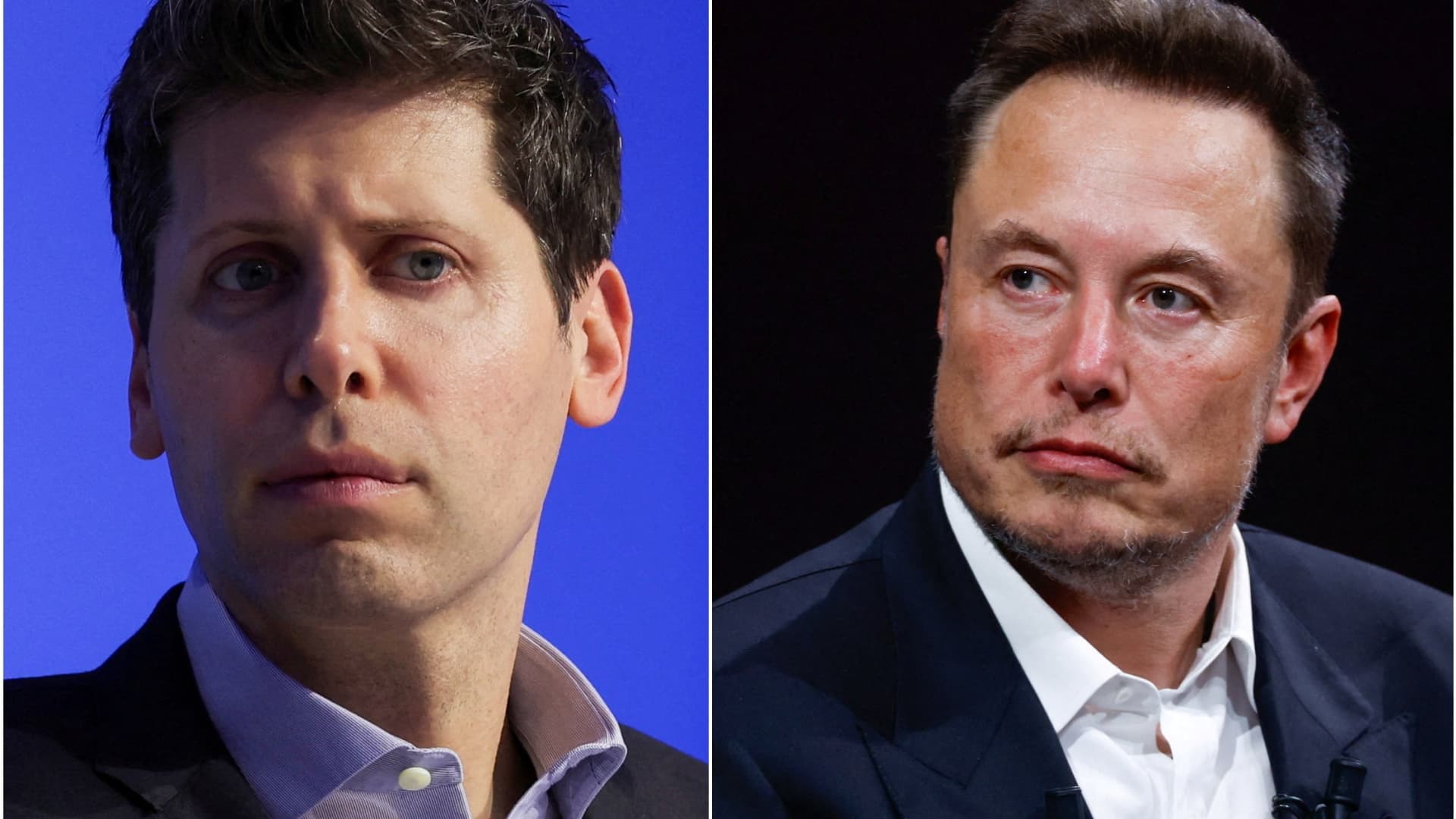
The highly anticipated trial between Elon Musk, the world's richest man, and Sam Altman, CEO of OpenAI, commenced today in a federal court in Oakland, California. A jury has been selected, and this case is expected to be one of the most significant legal battles in the tech world.
The case revolves around Musk's lawsuit against OpenAI, Altman, and Greg Brockman, the president of OpenAI, accusing them of violating the commitments they made to uphold the nonprofit organization. Musk has described the lawsuit as a result of "manipulation" and "deception" by Altman and Brockman.
Details of the Trial
Under the supervision of Judge Yvonne Gonzalez Rogers, a nine-member jury has been established, with no alternates. The trial is divided into two phases: the first phase to determine liability, and the second phase to assess damages. The first phase is expected to last until mid-May, during which the jury will provide its recommendations.
Musk claims he has been deceived by OpenAI, as he had high hopes that the organization would remain committed to its charitable principles. Musk left the board of OpenAI in 2018 and has since founded xAI as a competitor, integrating it with SpaceX earlier this year.
Background & Context
Founded in 2015 with Musk's involvement, OpenAI aimed to develop artificial intelligence safely and transparently. However, after Musk's departure from the board, the company began taking steps toward profitability, raising his concerns. In his lawsuit, Musk points out that OpenAI has not adhered to its original principles, which he views as a betrayal of its mission.
In recent years, the artificial intelligence industry has witnessed tremendous developments, with companies competing to create new technologies. As both SpaceX and OpenAI approach public offerings, legal and financial pressures are mounting on both sides.
Impact & Consequences
If OpenAI is found liable, it could lead to significant changes in how tech companies manage their nonprofit projects. This case may also pave the way for further lawsuits in the future, as investors and stakeholders seek to protect their interests.
This trial is also seen as a test of leadership in the tech sector, as individuals and companies vie for influence in a rapidly evolving world. The outcomes could affect how companies handle social and ethical commitments.
Regional Significance
The Musk and Altman case holds particular importance for the Arab region, where investments in technology and artificial intelligence are on the rise. The results of this trial may influence how Arab companies develop their strategies in this field, especially with the increasing interest in innovation and technology.
Ultimately, this case represents more than just a legal battle between two prominent figures in the tech world; it reflects the ethical and financial challenges facing the industry in an era marked by intense competition.