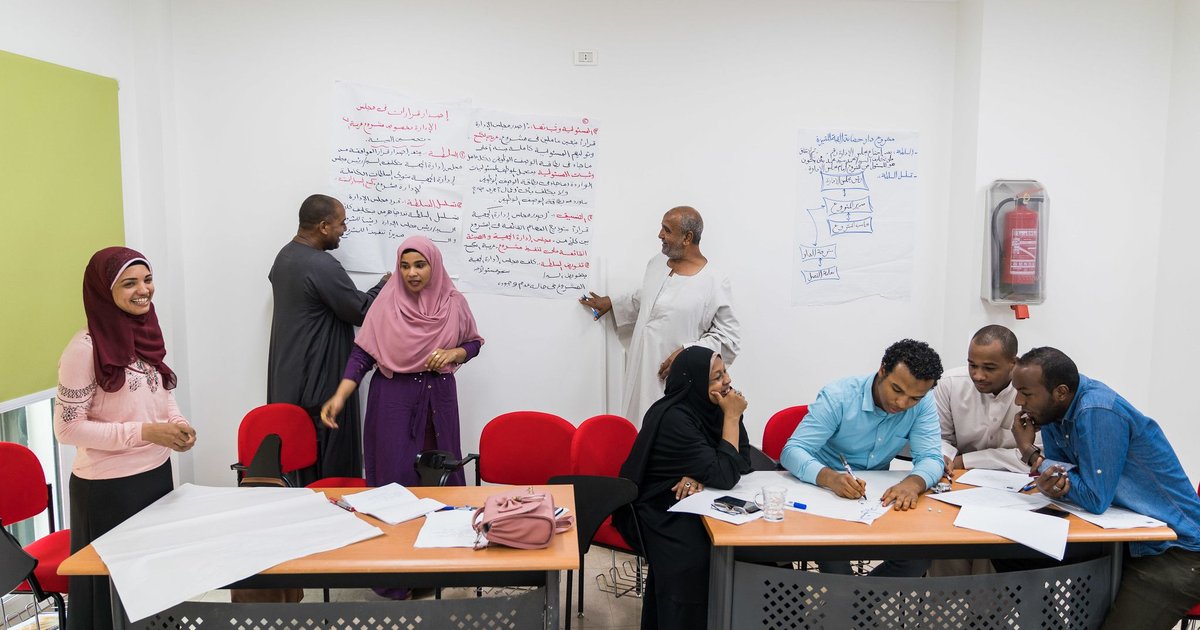
The Egyptian State Council has emphasized that civil work must be conducted in accordance with the laws in force in the country, stressing the importance of adhering to legal regulations. This ruling arrives at a time when discussions are ongoing in Egypt regarding the regulation of civil work and its role in society.
This ruling serves as an important clarification for civil organizations, highlighting the necessity of a legal framework to govern their activities. The council pointed out that non-compliance with the laws could lead to severe legal consequences.
Details of the Ruling
In the context of the ruling, the State Council clarified that civil work must align with the laws established by the state, including those related to funding and transparency. The council also reaffirmed the significant role of civil organizations in supporting the community, but within a clear legal framework.
This ruling follows a series of legal amendments that Egypt has witnessed in recent years, aimed at regulating civil work and enhancing oversight. These amendments have sparked widespread debate among civil society activists.
Background & Context
Historically, civil work in Egypt has undergone significant transformations, playing a prominent role in providing social services and humanitarian aid. However, the legal and political challenges faced by civil organizations in recent years have negatively impacted their ability to operate freely.
This ruling comes at a sensitive time, as the Egyptian government seeks to improve the country's image before the international community and enhance transparency in civil work. This situation requires a balance between legal oversight and the freedom of civil work.
Impact & Consequences
This ruling is expected to affect many civil organizations, as they will need to reassess their strategies and operations to ensure compliance with the new laws. This may lead to a reduction in activities for some organizations, while others may find new opportunities for growth.
Additionally, this ruling could impact the external funding of civil organizations, as obtaining financial support may become challenging without adherence to legal standards. This could result in a decrease in the social and charitable activities provided by these organizations.
Regional Significance
This ruling is part of a broader trend in the Arab region, where many countries are striving to regulate civil work and enhance transparency. This trend may influence how civil organizations operate in other countries and raise questions about civil work freedoms.
Under these circumstances, it becomes essential for civil organizations to adopt flexible strategies that align with local laws while maintaining their core mission of serving the community.
In conclusion, the ruling issued by the Egyptian State Council represents an important step towards regulating civil work, but it requires civil organizations to adapt to the new laws to ensure their continuity and impact within society.