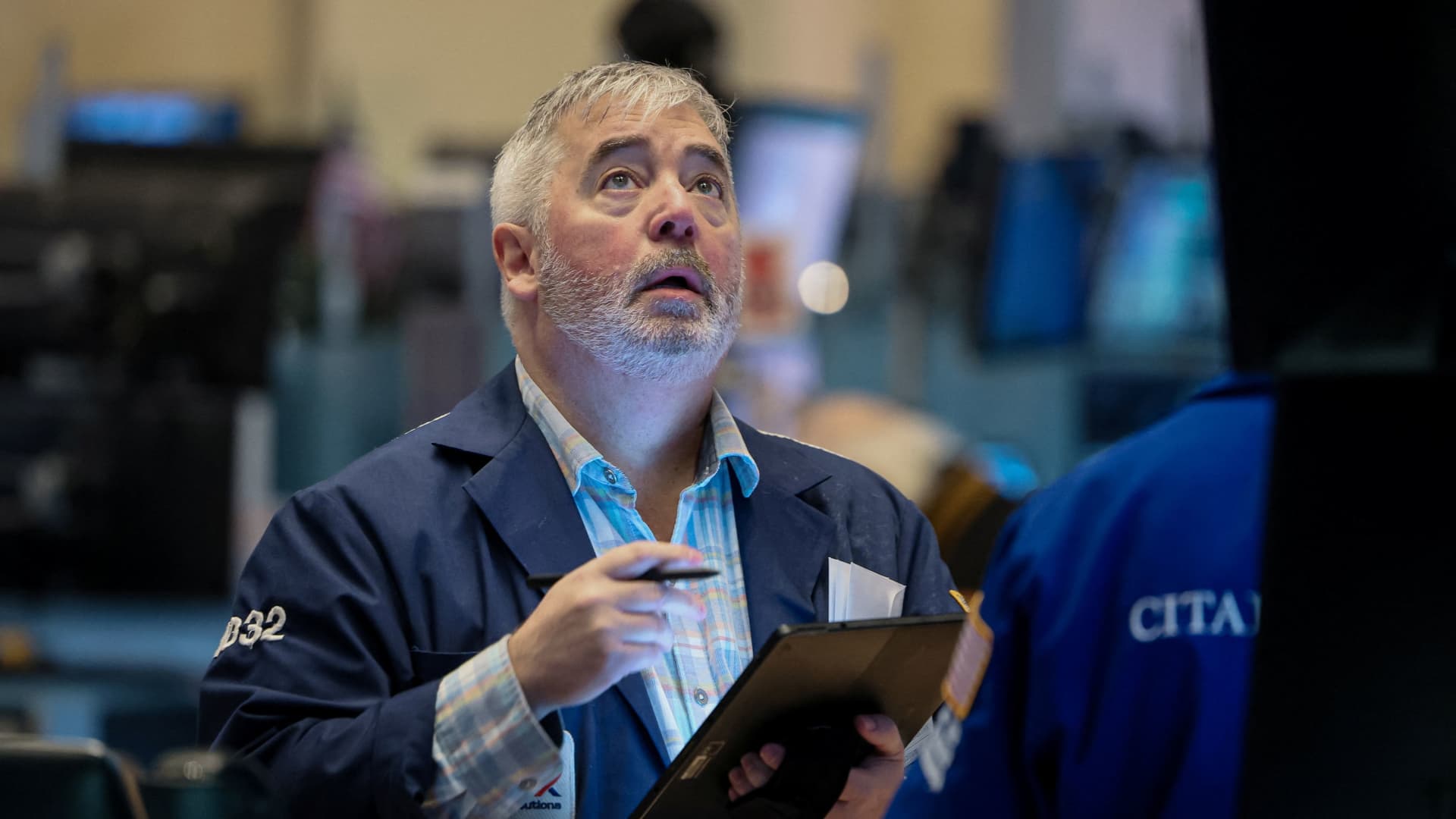
Expectations are rising regarding how the end of the US-Iran war will impact the stock market, as renowned financial analyst Jim Cramer indicated that last Tuesday's trading session provided a glimpse into potential market reactions. Stocks experienced a notable increase, with the S&P 500 index jumping by 2.91% and the Nasdaq Composite rising by 3.83%, reflecting investor optimism about signs of easing tensions in the Middle East.
This surge followed reports that US President Donald Trump informed his aides that the United States is ready to end military operations with Iran, even if the closure of the Strait of Hormuz continues. Trump also stated to the New York Post that the war with Iran could end soon, indicating a potential shift in US policy towards Iran.
Details of the Event
During the trading session, Cramer described the day as a "dry run" for what might happen when the war ends. He confirmed that the market had "revealed its intentions," as stocks showed a remarkable recovery. He pointed out that a decrease in interest rates would be one of the most significant changes to occur in the market, with expectations that interest rates on 10-year US Treasury bonds, which have risen since the beginning of the conflict, will decline.
Cramer explained that interest rates will decrease significantly, as the war has led to increased inflation due to rising energy costs, which has impacted borrowing costs in the economy. He emphasized that a return to normal interest rates would help alleviate inflationary pressures, particularly in the agricultural sector.
Background & Context
Historically, US-Iranian relations have seen increasing tensions, especially after the US withdrawal from the Iranian nuclear deal in 2018. Since then, hostilities between the two countries have escalated, affecting stability in the Middle East. Iran is considered one of the largest oil producers in the world, and any escalation in the conflict directly impacts global oil prices.
In recent years, there have been multiple attempts to reach peace agreements, but these have often stalled due to mutual distrust. However, any signs of the possibility of ending the conflict could lead to greater stability in the financial market.
Impact & Consequences
Cramer predicted that the market would see a recovery in high-growth company stocks, such as technology firms. Stocks of Nvidia and Marvel rose by 5.5% and 13% respectively during Tuesday's session. He confirmed that investors would have a greater opportunity to focus on the performance of these companies rather than being preoccupied with the conflict in the Middle East.
Cramer also anticipated a rebound in major bank stocks, as the end of the conflict could pave the way for more acquisition deals and expansion in the financial market. Major banks like Goldman Sachs and Morgan Stanley have seen notable increases in their stock prices, reflecting investor optimism.
Regional Significance
The end of the US-Iran conflict could have positive effects on the Arab region, as it may lead to greater stability in oil markets, helping to boost Arab economies reliant on oil. Additionally, improved relations between the US and Iran could open the door for broader dialogue between Arab countries and Iran, potentially contributing to enhanced security and stability in the region.
In conclusion, it appears that the end of the US-Iran war could have profound effects on global financial markets, opening new avenues for growth and investment. However, the question remains about the sustainability of this stability amid ongoing tensions in the region.