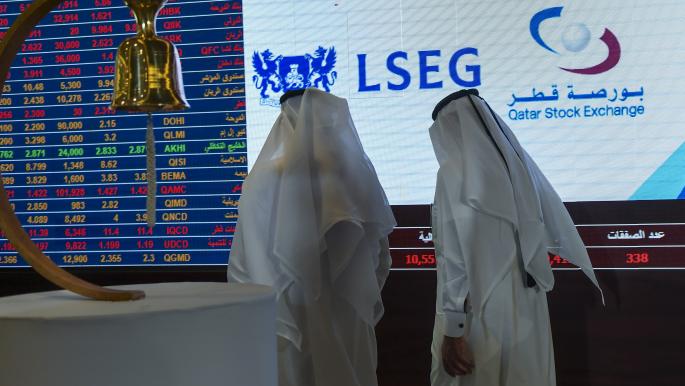
On Monday, Gulf stock markets experienced unprecedented divergence in stock indicators, with Dubai notably declining while Muscat achieved a significant rise. This split reflects the deep impact of regional conflicts on financial markets.
While stocks in Dubai fell, with the Dubai Financial Market Index dropping by 1.5%, the Muscat Stock Exchange recorded an increase of 2.3%, raising questions about the factors leading to this divergence. Geopolitical conditions seem to play a pivotal role in shaping market trends, as investments are directly affected by the developments in the region.
Details of the Event
In more detail, shares of several major companies in Dubai declined, negatively impacting the overall index. In contrast, Muscat witnessed notable trading activity, with shares of some listed companies rising, contributing to increased confidence in the Omani market. This divergence in performance reflects a state of instability in Gulf markets, which are significantly influenced by political and economic events.
There are also other factors affecting market performance, including oil prices and global trends. As economic pressures increase, analysts expect these fluctuations in Gulf markets to continue for some time.
Background & Context
Historically, Gulf markets have experienced significant fluctuations due to political and economic events. Conflicts in the region, whether in Yemen or other disputes, have direct effects on market confidence. Additionally, changes in oil prices play an important role in determining financial market trends.
Although some markets may be negatively affected, there are always investment opportunities in other markets. Muscat, for example, may be an attractive destination for investors under current conditions, reflecting the Omani market's ability to adapt to challenges.
Impact & Consequences
The repercussions of this divergence in Gulf markets extend beyond local boundaries, affecting foreign investments and investor trends. Investors closely monitoring the markets may make investment decisions based on these fluctuations, potentially leading to a redistribution of investments in the region.
These developments may also impact the economic policies of Gulf countries, as governments may seek to enhance market stability through stimulus measures or new policies. This approach may be essential to maintain confidence in the markets and attract foreign investments.
Regional Significance
The financial markets in the Gulf are an important indicator of the overall health of the Arab economy. The performance divergence in these markets may have wide-ranging effects on neighboring economies, as financial flows and investments between Arab countries could be impacted.
Under current conditions, Arab countries need to be more cautious in their economic policies and seek to enhance cooperation among nations to achieve stability and growth. Additionally, promoting transparency in financial markets may be an important step to attract more investments.
In conclusion, the situation in Gulf markets remains volatile, requiring investors and analysts to closely monitor events to understand future trends.