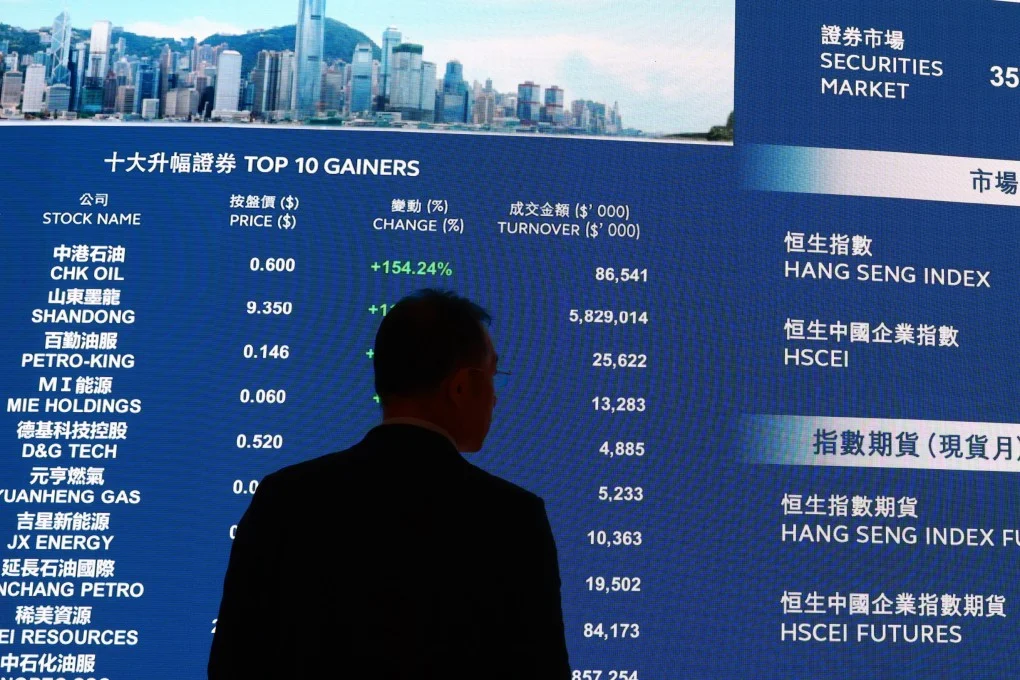
Stocks in Hong Kong declined on Monday, as escalating tensions in the Middle East led to oil prices reaching record levels. The attacks launched by Iranian-backed Houthi militias on Israel over the weekend intensified the conflict, prompting the United States to deploy additional forces in the region.
Oil prices surged significantly, with Brent crude rising by as much as 3.7% to reach $116.80 per barrel, the highest level in over a week. Meanwhile, West Texas Intermediate crude rose to $101 per barrel, reflecting growing concerns in global markets about the stability of oil supplies.
Details of the Incident
The Houthi attacks on Israel came at a sensitive time, as relations between Iran and Israel were experiencing heightened tensions. The attacks coincided with an escalation of military pressures on Tehran, further intensifying regional tensions. The United States, which has been closely monitoring the situation, decided to send additional troops to the Middle East as a precautionary measure, reflecting its concerns about the escalation of conflict and its impact on regional security.
Asian markets were generally affected, with stocks in Hong Kong showing a notable decline, reflecting fears about the impact of these events on the global economy. Investors in financial markets are closely following developments, as any further escalation could affect oil prices and increase inflationary pressures.
Context and Background
Historically, the Middle East has been a focal point of political and military tensions, with regional and international powers playing significant roles in shaping events. The conflict between Iran and Israel dates back decades and is considered part of a broader struggle between Sunni and Shia powers in the region. The Houthis, who receive support from Iran, are seen as part of this larger conflict, as they seek to enhance their influence both in Yemen and beyond.
In recent years, the region has witnessed an escalation in conflicts, impacting the stability of oil prices. Any escalation in the conflict could lead to significant volatility in financial markets, as oil is considered one of the most important commodities in the global economy.
Consequences and Impact
The current tensions in the Middle East could have negative effects on the global economy, as rising oil prices can increase production and transportation costs, which in turn affects the prices of goods and services. This could lead to increased inflation in many countries, placing additional pressures on governments and consumers.
Moreover, the escalation of military tensions could lead to a reduction in foreign investments in the region, as investors seek more stable environments. This could impact economic growth in the countries affected by the conflict and increase the economic challenges they face.
Impact on the Arab Region
For Arab countries, the escalation of tensions in the Middle East represents a significant challenge. Many countries rely on oil as a primary source of revenue, and any increase in prices could affect their budgets. Additionally, military tensions could lead to an influx of refugees and increased pressure on public services.
Furthermore, the conflict between Iran and Israel may deepen divisions among Arab states, as some countries support Iran while others back Israel. This division could exacerbate political and economic crises in the region.
In conclusion, the current situation in the Middle East poses a significant challenge to financial markets and the global economy. Investors and decision-makers must closely monitor developments, as any further escalation could lead to unforeseen impacts on the global economy.