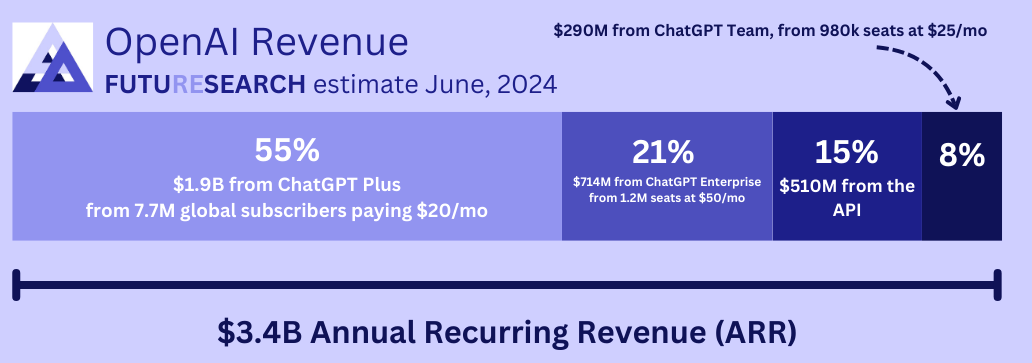
Stocks of companies associated with artificial intelligence infrastructure experienced a notable drop in early trading on Tuesday, following reports that OpenAI did not meet its growth and revenue forecasts. This news has sparked new questions regarding whether spending in this sector can continue at the same pace.
Oracle's shares fell by approximately 7.5% in pre-market trading, as the company has a $300 billion five-year partnership to provide OpenAI with the necessary computing power for AI operations. Additionally, shares of chip manufacturers such as Nvidia, Broadcom, and Advanced Micro Devices declined by between 2% and 5%.
Details of the Decline
Shares of Qualcomm also saw a decrease of 3.5%, after receiving a slight boost on Monday due to reports that it is collaborating with OpenAI to develop chips for smartphones. Meanwhile, shares of CoreWeave, a startup in the cloud computing space, dropped by 7%.
In Asia, shares of the SoftBank Group, one of the largest investors in OpenAI, fell by 10%. These developments come at a sensitive time for the sector, as concerns about the sustainability of significant spending on AI infrastructure have increased.
Background & Context
The recent financial reports from OpenAI have raised alarms among investors, as the company has been a key player in the AI landscape. The failure to meet growth expectations has led to a ripple effect across the industry, affecting not only direct partners but also companies that rely on AI technologies.
Investors are now reassessing their strategies, as the uncertainty surrounding OpenAI's financial health could signal broader challenges within the AI sector. The reliance on substantial investments to fuel growth has been a double-edged sword, and the recent downturn may prompt a reevaluation of priorities among tech firms.
Impact & Consequences
The decline in stock prices is likely to have significant implications for the future of investments in AI. Companies may become more cautious in their spending, leading to a slowdown in innovation and development within the sector. This could hinder the progress that has been made in recent years and affect the overall growth trajectory of AI technologies.
Moreover, the negative sentiment in the market could deter new investors from entering the space, further exacerbating the challenges faced by existing companies. The potential for a downturn in AI spending could lead to job cuts and reduced research and development efforts across the industry.
Regional Significance
The impact of these developments is not limited to the United States; global markets are also feeling the effects. As major investors like SoftBank pull back, the ripple effects could be felt in emerging markets that are looking to AI as a driver of economic growth.
Countries that have invested heavily in AI infrastructure may need to reconsider their strategies, as the financial viability of such investments comes into question. The global race for AI supremacy could slow down, affecting technological advancements and economic competitiveness.
Closing Thoughts
In conclusion, the recent downturn in AI company stocks following OpenAI's financial reports highlights the fragility of the sector. As companies navigate these challenges, the future of AI investment and innovation hangs in the balance, making it crucial for stakeholders to adapt to the evolving landscape.