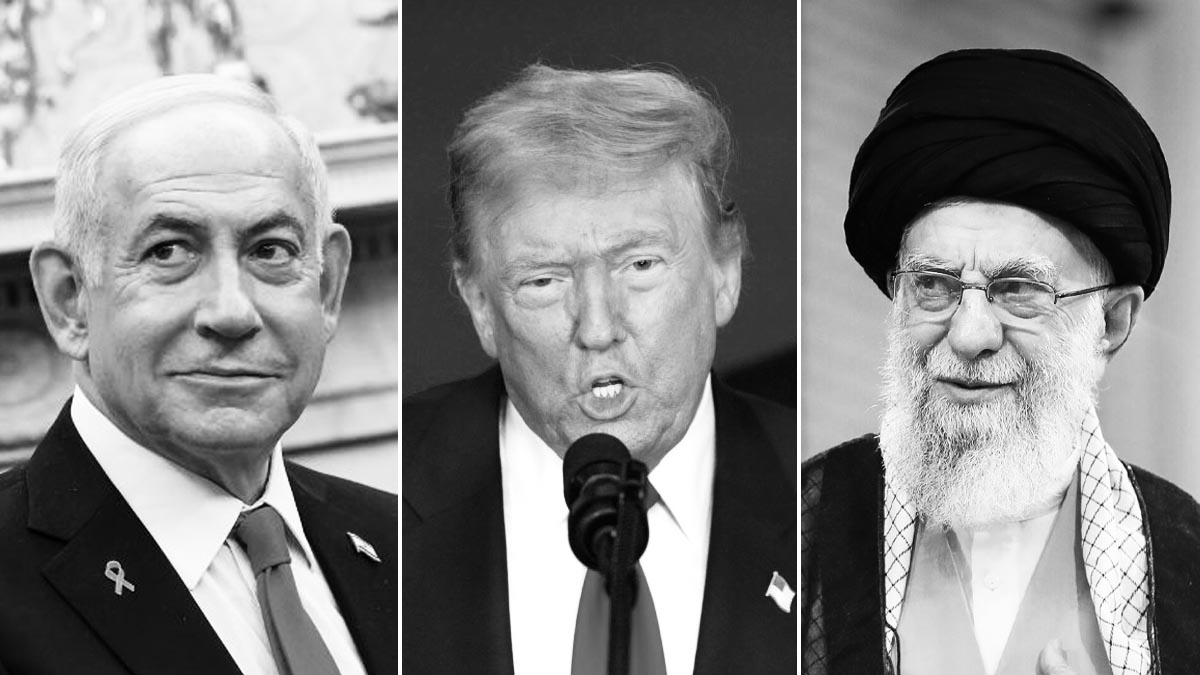
In a move that could reshape the global economic landscape, the United States and Iran announced a two-week ceasefire agreement, resulting in a rebound in American stock markets and a decline in oil prices to below $100 per barrel. This announcement comes at a sensitive time, as President Donald Trump had set a deadline for reaching an agreement.
Investors reacted positively to this news, with futures for American stocks rising, reflecting market optimism regarding stability in the region. This agreement has helped bolster confidence in financial markets, as financial reports noted an increase in yields on American bonds.
Details of the Ceasefire Agreement
The ceasefire agreement was reached after intensive negotiations between the two sides, with Iran showing a willingness to de-escalate amid increasing economic pressures. This agreement is seen as a positive step towards alleviating military tensions that have escalated in recent months, negatively impacting global markets.
Tina Fordham from Fordham Global Foresight discussed the details of the agreement, noting that it represents an opportunity for both sides to reassess their strategies. Additionally, Lucy Baldwin from Citi discussed the impact of this agreement on global economic growth, emphasizing that stability in oil prices will have positive effects on the global economy.
Background & Context
The backdrop of this agreement is the escalating tensions between the United States and Iran, which have been characterized by military confrontations and economic sanctions. The recent months have seen a significant rise in hostilities, prompting fears of a potential conflict that could disrupt oil supplies and destabilize the global economy.
As both nations navigate their complex relationship, the ceasefire serves as a critical juncture for diplomatic efforts. The economic ramifications of continued tensions have been felt worldwide, with fluctuations in oil prices affecting various sectors and economies.
Impact & Consequences
The immediate impact of the ceasefire is evident in the financial markets, where stock indices have shown a marked increase. Analysts predict that the stabilization of oil prices will lead to a more favorable investment climate, potentially attracting foreign investments back into the region.
Furthermore, the agreement may pave the way for further negotiations on other pressing issues, including nuclear disarmament and regional security. As both nations seek to improve their economic situations, the potential for collaboration could lead to a more stable Middle East.
Regional Significance
This ceasefire agreement holds significant implications for the broader Middle Eastern region. Countries that have been affected by the ongoing tensions may see a reduction in hostilities, allowing for economic recovery and growth.
Moreover, improved relations between the United States and Iran could enhance diplomatic ties with other nations in the region, fostering a more cooperative environment. The potential for peace and stability could encourage economic partnerships and trade agreements that benefit all parties involved.
In conclusion, the ceasefire agreement between the United States and Iran is a pivotal development in the quest for stability in the region. As both nations work towards a more peaceful coexistence, the effects of this agreement will likely resonate throughout the global economy.