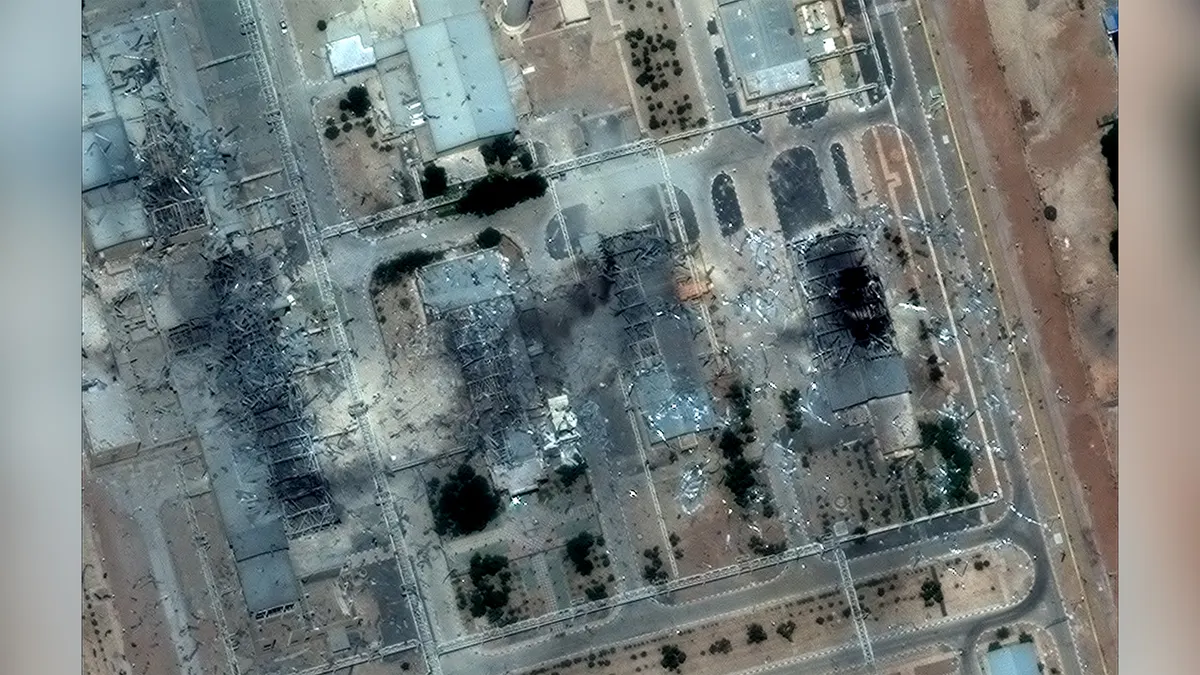
Two Iranian companies announced on Thursday the cessation of operations at the largest steel mills in the country due to a series of airstrikes believed to have been carried out by the United States and Israel. These events come amid ongoing escalations in tensions between Iran and the West, raising concerns about the future of the Iranian industry.
These two mills are considered among the most important industrial facilities in Iran, significantly contributing to steel production used in various sectors, including construction. Their shutdown could have a substantial impact on the Iranian economy, which is already suffering from international sanctions and economic pressures.
Details of the Incident
According to reports, the mills were targeted by precise strikes aimed at their production facilities, leading to their shutdown. The companies have not disclosed specific details regarding the extent of the damage or the financial losses resulting from these strikes, but it is clear that the impact will be significant on production operations.
These strikes come at a sensitive time, as tensions in the region are escalating, and it is believed that the aim is to undermine Iran's ability to develop its military and industrial programs. Observers have noted that these strikes may be part of a broader strategy aimed at pressuring Iran.
Background & Context
Historically, relations between Iran and the United States have seen significant escalation since Washington's withdrawal from the nuclear agreement in 2018. Since then, the United States has imposed strict sanctions on Iran, negatively affecting its economy. In this context, military pressures have increased, including airstrikes targeting vital facilities.
Israel, for its part, views Iran as an existential threat and has conducted several military operations against Iranian targets in Syria and other countries. These recent strikes reflect the continuation of this approach, as Israel seeks to prevent Iran from enhancing its military capabilities.
Impact & Consequences
The shutdown of steel mills in Iran could exacerbate economic and social crises in the country. With rising unemployment and declining production, public protests against the government may increase. Additionally, this situation could affect steel prices in the global market, as Iran is one of the largest producers in the region.
Furthermore, these events may lead to heightened tensions between Iran and Western countries, which could negatively impact peace and stability efforts in the region. Iran is expected to respond to these strikes in various ways, potentially leading to greater military escalation.
Regional Significance
The events in Iran have a direct impact on the Arab region, where regional powers seek to exploit any weakness in Iran. These strikes could lead to a reshaping of alliances in the region, with some countries potentially benefiting from the current situation to enhance their influence.
Moreover, the escalation of tensions may reflect on oil prices and financial markets, affecting Arab economies that heavily rely on regional stability. Under these circumstances, the situation in Iran remains under close observation, as any uncalculated reactions could lead to further escalation.
In conclusion, the shutdown of steel mills in Iran signifies the rising tensions in the region and reflects the significant challenges Iran faces amid military and economic pressures. The current situation requires careful monitoring, as any new developments could impact the stability of the entire region.