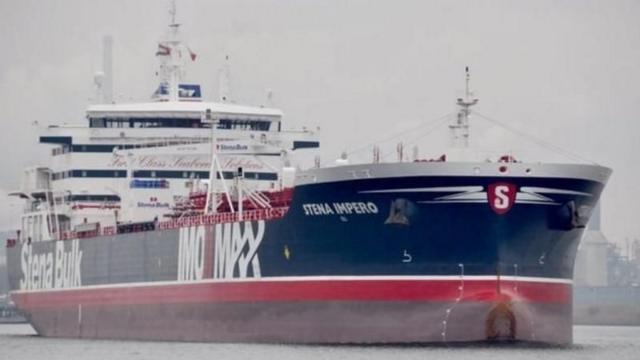
The Iranian authorities announced on Sunday that the Strait of Hormuz, considered one of the most important waterways in the world, remains open for international navigation, except for ships connected to what it refers to as 'enemies of Tehran,' explicitly signaling the United States and Israel. Ali Mousavi, Iran's representative to the International Maritime Organization, clarified that vessels not associated with Iran's adversaries can traverse the strait, provided they coordinate with Tehran in advance regarding safety and security arrangements.
This statement comes at a sensitive time as mutual threats between Iran and the United States have escalated, with U.S. President Donald Trump threatening to target Iranian energy facilities if the waterway is not fully opened within 48 hours. This military tension highlights one of the geopolitical conflict centers affecting global energy markets.
The Strait of Hormuz is critically important since approximately 20% of the world’s oil and liquefied natural gas supplies pass through it. The military escalation and mutual threats raise serious concerns about the possibility of a large-scale energy crisis deemed the worst in contemporary history.
Mousavi affirmed that his country is ready to cooperate with the International Maritime Organization to enhance navigation safety and protect sailors in the Gulf. He emphasized that diplomacy remains a priority for Tehran, but linked that priority to the necessity of halting what he described as 'aggression' and rebuilding trust.
On the other hand, the Iranian official accused the United States and Israel of bearing responsibility for the current tensions, indicating that the attacks they face have been the main reason for worsening conditions in the Strait of Hormuz.
The historical context clarifies that these tensions are not new, as the region has experienced a series of crises and conflicts that caused rising oil prices and increased instability. The complex relationship between Iran and the West, particularly the United States, dates back decades, with issues like the Iranian nuclear program and international obligations playing major roles in fueling the conflict.
The future implications of this escalation could lead to wide-ranging complications regarding oil prices and the stability of global markets. Under these circumstances, some countries might seek alternatives to ensure energy security, potentially altering global market dynamics.
Furthermore, recent events highlight the importance of the Gulf region in the Arab context, prompting Arab nations to reassess their security strategies and political stances in light of ongoing developments. Increased friction in this region may also affect relationships between Arab countries and Iran, alongside those countries' relations with the United States.
In conclusion, the Iranian statement reinforces Tehran's hardline stance towards what it perceives as threats from external powers, indicating that it prefers diplomatic options but only under favorable conditions. Continuing this pattern of tension could have far-reaching effects on regional and international stability.