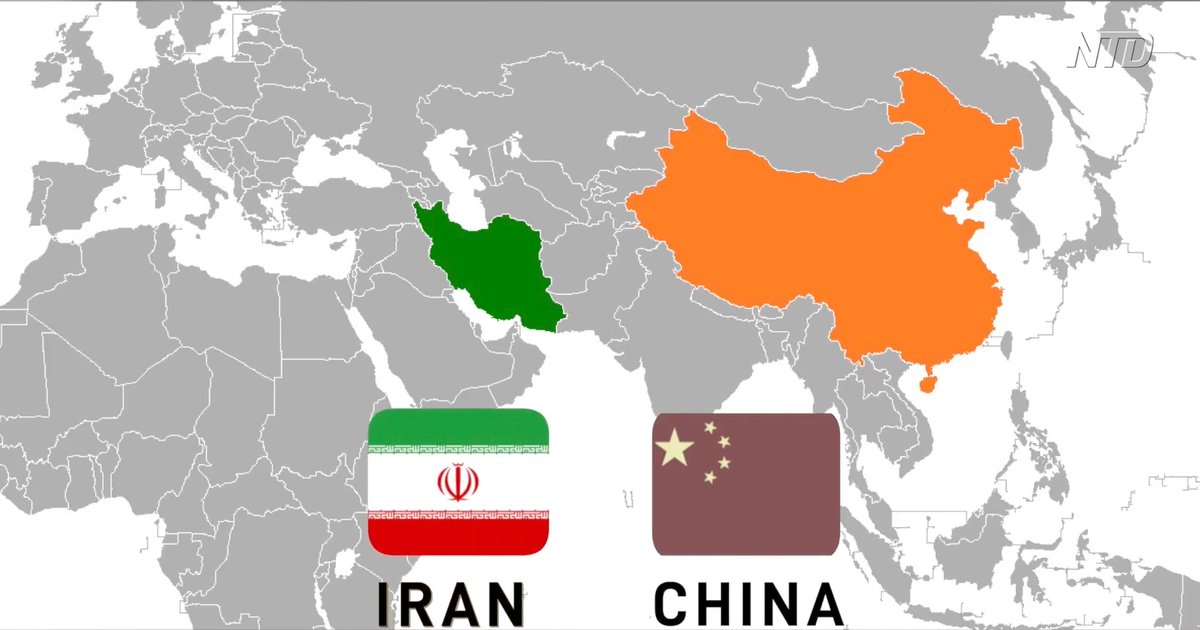
The growing relationship between China and Iran is drawing attention as both countries aim to enhance their strategic cooperation in light of changing geopolitical conditions. This relationship is not limited to the oil sector; it also includes multiple areas such as trade, technology, and security.
As the region experiences increasing tensions, particularly due to sanctions imposed on Iran, Beijing is looking to expand its influence in the Middle East through strategic partnerships with Tehran. This partnership reflects China's vision to secure energy sources and boost its presence in new markets.
Details of the Agreements
The agreements between China and Iran encompass various aspects, including significant investments in infrastructure and the development of joint projects in energy and transportation. These agreements were announced during Iranian President Ibrahim Raisi's visit to Beijing, where several accords were signed aimed at enhancing economic and trade cooperation between the two countries.
Reports indicate that China will invest approximately $400 billion in Iranian projects over the next 25 years, reflecting Beijing's commitment to supporting the Iranian economy in the face of Western sanctions. The agreements also include cooperation in modern technology, enabling Iran to benefit from Chinese expertise in areas such as communications and renewable energy.
Background & Context
The relationship between China and Iran dates back decades, with China being one of the first countries to support Iran during periods of sanctions. As international pressure on Tehran has increased, China has become a key partner for Iran in many fields, contributing to the strengthening of relations between the two nations.
These developments coincide with escalating tensions in the region, especially following the United States' withdrawal from the Iranian nuclear agreement. This withdrawal has led to increased economic isolation for Iran, prompting it to seek new partners, with China being the optimal choice given its economic size and political influence.
Impact & Consequences
The implications of this cooperation extend beyond mere economic benefits, as it could significantly affect the political balances in the region. The strengthening of relations between China and Iran is expected to increase Chinese influence in the Middle East, which may raise concerns among Western countries and their allies in the region.
Moreover, this cooperation could bolster Iran's position in facing international pressures, potentially escalating tensions with countries seeking to limit Tehran's influence. At the same time, Arab nations may find themselves in a difficult position, needing to adapt to the new changes in regional alliances.
Regional Significance
The Chinese-Iranian relationship serves as an indicator of geopolitical changes in the Middle East, potentially impacting Arab countries' strategies in dealing with regional challenges. Some nations may need to reassess their relations with both China and Iran, especially in light of the increasing competition among major powers.
In conclusion, the cooperation between China and Iran reflects a strategic shift in international relations, transcending mere economic interests to encompass political and security dimensions. Arab nations must closely monitor these developments, as they could significantly influence the future of the region.