The strategic importance of the Strait of Hormuz is increasing amidst regional tensions, raising questions about the world's key straits and waterways and their vital role in global trade. The Strait of Hormuz is a major transit point for approximately 20% of the world's total oil, making it one of the most important waterways globally.
Waterways are distributed around the world, playing a vital role in international trade. Among these passages are the Suez Canal, the Strait of Malacca, and the Strait of Gibraltar, each having its unique impact on the global economy.
Details of the Event
The Strait of Hormuz, which connects the Arabian Gulf to the Gulf of Oman, is considered a lifeline for many oil-producing countries. This strait is primarily used for transporting oil and natural gas, with approximately 18 million barrels of oil passing through it daily. In recent years, political tensions in the region have increased, leading to concerns about potential disruptions affecting navigation.
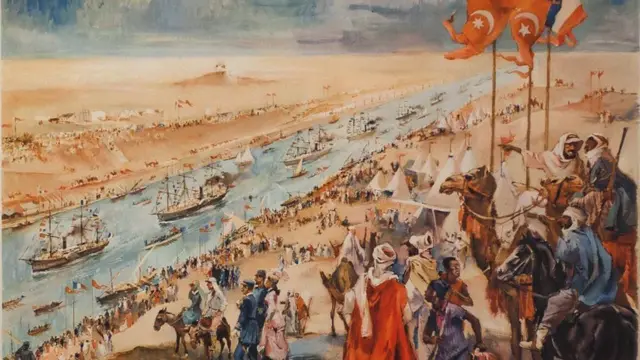
On the other hand, the Suez Canal, which connects the Mediterranean Sea to the Red Sea, is one of the most important waterways in the world. The canal helps reduce the time and financial distance between Europe and Asia, with about 12% of global trade passing through it. The canal has seen developmental projects in recent years to increase its capacity.
Background & Context
Historically, straits and waterways have played a crucial role in shaping trade relations between countries. For instance, the Strait of Malacca, located between Malaysia and Indonesia, is considered one of the most important waterways in the world, linking the Indian and Pacific Oceans. This strait is primarily used for transporting goods between Asia and Europe, making it a strategic point in global trade.
Similarly, the Strait of Gibraltar, which separates the Atlantic Ocean from the Mediterranean Sea, is a vital passage for commercial ships. This strait is used for transporting goods between Europe and Africa and is a key crossing point for vessels heading to the Mediterranean Sea.
Impact & Consequences
The political and economic situations in the region affect navigation in these straits and waterways. Any political tension or armed conflict could disrupt trade, negatively impacting the global economy. For example, if tensions escalate in the Strait of Hormuz, oil prices could rise significantly, affecting all consuming countries.
Moreover, climate changes may also impact navigation, as floods or storms could lead to the closure of certain waterways. Therefore, investments in the development of these passages have become an urgent necessity to ensure the continuity of trade.
Regional Significance
For Arab countries, straits and waterways are lifelines for the economy. Many Arab nations rely on exporting oil and gas through the Strait of Hormuz and the Suez Canal, making the stability of these passages vital. Any threat to these routes could lead to serious economic repercussions, prompting Arab nations to enhance cooperation and coordination to protect their interests.
In conclusion, straits and waterways remain among the most influential factors in global trade. Concerned countries must make continuous efforts to ensure the security and safety of these passages to guarantee ongoing economic growth.