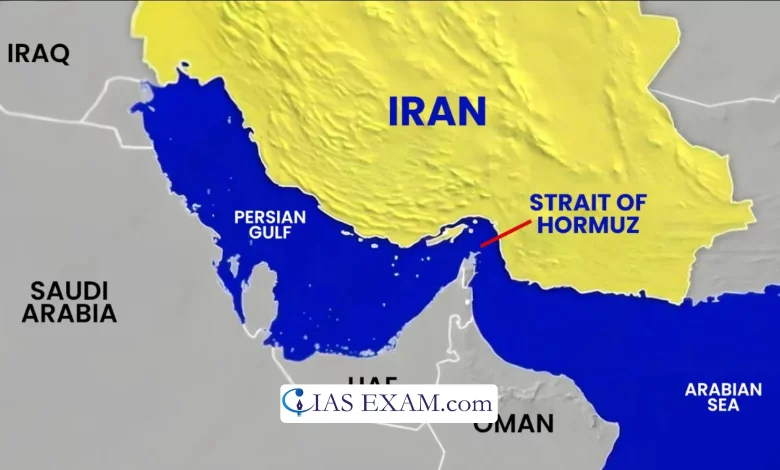
The seven islands in the Strait of Hormuz are vital strategic points that control maritime navigation. These islands play a crucial role in securing global trade routes, making them a focal point for major powers.
These islands are distributed between Iran and Oman, including islands such as Qeshm, Qeshm, and Hormuz. Each island has its unique characteristics, but they all share the strategic importance that they confer upon the Strait of Hormuz, which is considered one of the most important waterways in the world.
Details of the Event
The seven islands consist of Hormuz Island, located at the heart of the strait, and Qeshm, which is the largest Iranian island. Additionally, there is Qeshm Island, which is considered a tourist and commercial hub. These islands are not just stopovers for navigation; they play a vital role in the regional and international economy.
These islands host numerous military bases, which complicates the security situation in the region. The presence of these bases reflects the political tensions between Iran and Western countries, especially the United States.
Background & Context
The Strait of Hormuz is a narrow waterway that connects the Arabian Gulf to the Gulf of Oman and is considered one of the most important maritime passages in the world, through which approximately 20% of the world's oil passes. Historically, the region has witnessed numerous conflicts and disputes over control of these islands and waterways.
In recent years, tensions in the region have escalated, as Iran seeks to enhance its military presence on these islands, raising concerns among neighboring countries and the United States. This situation reflects the ongoing struggle for influence in the Gulf region.
Impact & Consequences
Control over these islands directly affects maritime navigation and global trade. Any escalation in tensions could lead to the closure of the strait, which would have serious repercussions on oil prices and global markets.
The presence of military forces on these islands increases the likelihood of armed conflicts, threatening regional security. In the event of any escalation, trade movement could be significantly affected, leading to price increases and economic crises in many countries.
Regional Significance
These islands are considered part of the national security of many Arab countries, especially those that rely on oil. Any threat to navigation in the Strait of Hormuz could impact Arab oil exports, negatively affecting Arab economies.
Therefore, cooperation between Arab countries and Iran in managing these islands and the strait is essential to maintain security and stability in the region. Diplomatic efforts must be made to avoid escalation and ensure freedom of navigation.
Understanding the importance of these islands and their impact on navigation and global trade is vital. The concerned countries must work together to ensure regional stability and avoid any escalation that could lead to economic and security crises.