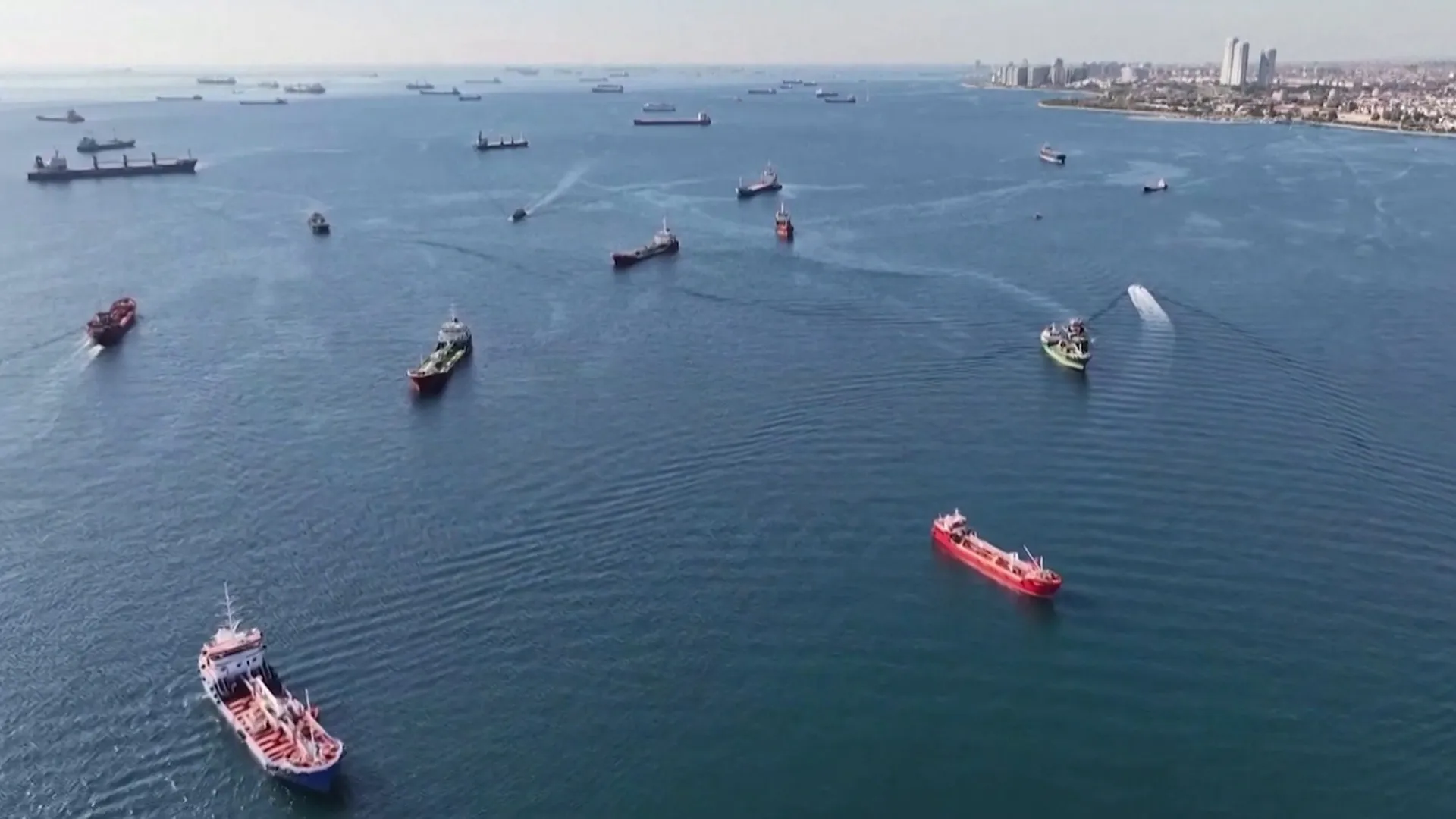
Maritime straits serve as vital transit points in international trade, significantly influencing trade relations. Control over these straits can lead to crises affecting the global economy.
These straits are distributed across the globe, with key examples including the Strait of Hormuz, the Bab el-Mandeb Strait, and the Strait of Malacca. These waterways are not merely channels; they are strategic points that govern the flow of global trade, with massive quantities of oil, gas, and other goods passing through them.
Event Details
The Strait of Hormuz, for instance, is one of the most crucial straits in the world, through which approximately 20% of the world's total oil supply flows. Any disruption in navigation through this strait can lead to a significant increase in oil prices, impacting the global economy as a whole.
On the other hand, the Bab el-Mandeb Strait represents a major transit point between the Red Sea and the Indian Ocean, serving as a vital link for trade between Europe and Asia. Any security threats in this region could disrupt trade flows, negatively affecting global markets.
Background & Context
Historically, maritime straits have always attracted the attention of major powers, which sought to control them for economic and strategic purposes. Over the ages, these straits have witnessed political and military conflicts, representing keys to dominance over global trade.
In modern times, maritime straits have gained even more importance with the increasing reliance on international trade. As geopolitical tensions rise, these points become more susceptible to conflicts, heightening the need to understand their impact on the global economy.
Impact & Consequences
Control over maritime straits can grant countries significant leverage on the international stage. Nations that dominate these straits can influence the prices of essential commodities, which in turn affects the global economy. Additionally, any threats to navigation in these straits may lead to increased shipping costs, impacting prices in global markets.
Moreover, crises arising in these areas can lead to political repercussions, as major nations strive to protect their commercial interests. This situation may result in military or diplomatic interventions, complicating conditions in the region.
Regional Significance
Arab countries, particularly those located near maritime straits, are at the heart of these dynamics. The Strait of Hormuz and the Bab el-Mandeb Strait are vital arteries for the Arab economy, through which large quantities of oil and gas flow. Any disturbances in these regions could directly impact Arab economies, necessitating the need to bolster security and stability in these straits.
In conclusion, maritime straits represent critical strategic points that significantly influence the global economy. Understanding their importance and impact is essential for countries seeking to maintain their commercial and economic interests in a changing world.