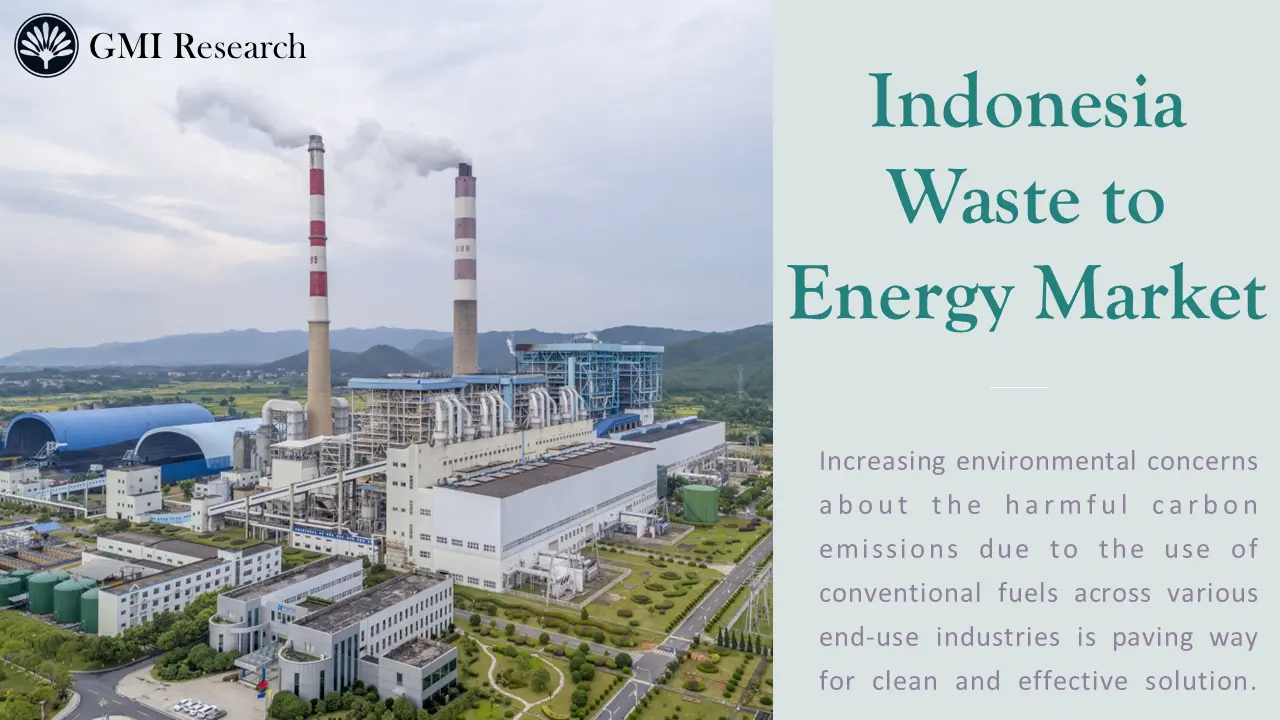
The Mayor of Makassar, Muhammad Ramdhan Pomanto, announced the importance of a strategic project for converting waste into electrical energy (PSEL), aimed at addressing the increasing waste problem in the city. This announcement came after a meeting with the Coordinating Minister for Food Affairs, where the necessity to accelerate the project's implementation was emphasized as part of national efforts to tackle the waste crisis.
In his statements, Pomanto pointed out that the project represents a significant investment that could contribute to improving the environmental situation in Makassar and enhance the quality of life for citizens. He also affirmed the local government's readiness to support this project and provide all necessary resources for its execution.
Details of the Event
During the meeting held with the Coordinating Minister for Food Affairs, Zulkifli Hasan, the necessary steps to expedite the implementation of the waste-to-energy project were discussed. Pomanto explained that this project aligns with the directives of the Indonesian President, Joko Widodo, who called for the urgent execution of similar strategic projects in 33 locations across Indonesia, including Makassar.
The mayor noted that the city faces significant challenges in waste management, producing over 1,000 tons of waste daily. The project aims to address this substantial quantity effectively and sustainably.
Background & Context
The issue of waste management is one of the major challenges facing many Indonesian cities, with waste quantities increasing significantly in recent years. The waste-to-energy project is part of government efforts to combat this issue and promote environmental sustainability.
Historically, Indonesia has suffered from a lack of infrastructure necessary for waste management, exacerbating the problem. However, the current government is striving to improve this situation by implementing strategic projects aimed at converting waste into valuable resources.
Impact & Consequences
The waste-to-energy project represents an important step towards achieving sustainable development in Indonesia. The project is expected to contribute to reducing the amount of waste sent to landfills, leading to improved local environmental conditions and reduced pollution.
Moreover, the project could create new job opportunities in waste management and renewable energy sectors, contributing to the enhancement of the local economy. Converting waste into energy can also reduce reliance on traditional energy sources, thereby enhancing the country's energy security.
Regional Significance
Many Arab countries face similar challenges in waste management, with waste quantities continuously increasing. The Makassar project could have a positive impact on Arab nations by providing a model for how to convert waste into energy.
Promoting renewable energy projects in Arab countries can contribute to achieving sustainable development goals and enhance efforts to combat climate change. Additionally, cooperation between Arab countries and Indonesia in this field could open new avenues for investment and development.