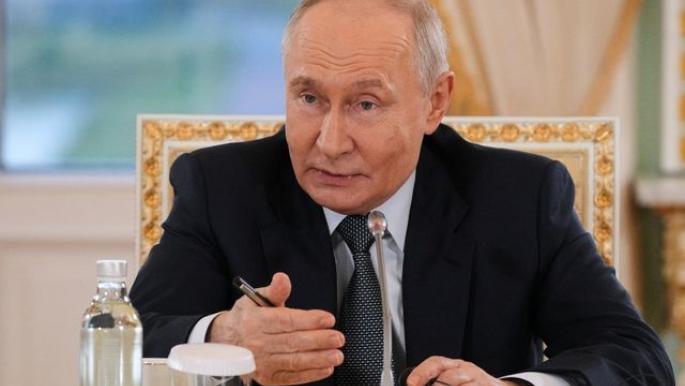
Russian President Vladimir Putin has emphasized the necessity of strengthening his country's air defenses after Ukraine launched drone attacks targeting an oil facility and a naval base in St. Petersburg. These attacks come at a sensitive time as tensions between Russia and Ukraine escalate, necessitating heightened security measures.
The attack, which occurred on Wednesday, resulted in significant damage to the targeted facilities, raising widespread concern within Russian military and political circles. In his statements, Putin highlighted the importance of enhancing air defense capabilities, stressing that these attacks pose a direct threat to Russian national security.
Details of the Incident
The Ukrainian attacks on St. Petersburg are part of a continuous escalation in the conflict between the two countries, where Ukraine has utilized drones to strike strategic locations. This escalation reflects Ukraine's ability to conduct complex military operations, increasing the challenges faced by Russia in protecting its territory.
Putin also noted that the United States, through former President Donald Trump, had requested Russia to make concessions in peace talks. This request underscores the international pressures facing Russia and indicates the complexities of the geopolitical situation in the region.
Background & Context
Historically, Russian-Ukrainian relations have seen increasing tensions since 2014, when Russia annexed the Crimea Peninsula. Since then, armed conflicts have escalated in eastern Ukraine, leading to multiple military interventions from both sides. The recent attacks reflect the ongoing nature of this conflict, which has far-reaching implications for regional and international security.
In recent years, Russia has ramped up its investments in developing air defense systems in an effort to counter growing threats. These investments reflect Moscow's recognition of the importance of bolstering its military capabilities under the current circumstances.
Impact & Consequences
The Ukrainian attacks on St. Petersburg could lead to greater military escalation, increasing the likelihood of strong Russian responses. Strengthening air defenses may require Russia to reassess its military strategies, potentially leading to heightened tensions in the region.
Any escalation in the conflict could affect regional stability and increase the likelihood of international interventions. Additionally, these events may impact global markets, particularly in the energy sector, where Russia is one of the largest producers worldwide.
Regional Significance
For the Arab region, the rising tensions between Russia and Ukraine could affect economic and political relations. Many Arab countries rely on Russia for energy and arms, making them susceptible to any changes in the security situation.
Furthermore, the situation in Ukraine could influence oil and gas prices, which may reflect on the economies of Arab nations that depend on these resources. Under these circumstances, Arab countries must closely monitor developments and take necessary measures to protect their interests.
In conclusion, the situation in Ukraine and Russia remains a focal point of global interest, with expectations that events will continue to impact regional and international security and stability.