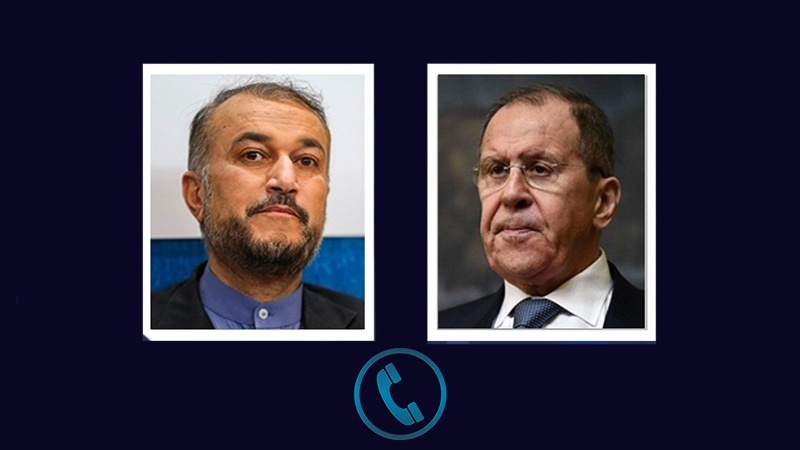
Russian Foreign Minister Sergei Lavrov and his Iranian counterpart Hossein Amir-Abdollahian held a meeting in Moscow, where they discussed the bilateral relations between their countries and the latest developments in the region. This meeting comes at a time when the Middle East is experiencing rising tensions, highlighting the importance of cooperation between Russia and Iran.
This meeting is part of ongoing efforts to strengthen relations between Moscow and Tehran, as both parties seek to expand cooperation in various fields, including economics and security.
Details of the Meeting
During the meeting, Lavrov and Amir-Abdollahian addressed a range of regional and international issues, including the situations in Syria, Iraq, and Afghanistan. Both sides expressed their concerns regarding recent developments in the region, emphasizing the need to enhance coordination between them to face common challenges.
They also discussed ways to enhance economic cooperation, with Lavrov noting that Russia and Iran could work together to develop joint projects in the fields of energy and transportation.
Background & Context
The Russian-Iranian relationship is considered strategic, as the two countries cooperate on numerous regional issues. For years, Russia has maintained close ties with Iran, particularly in the context of the Syria conflict, where Moscow has supported the government of President Bashar al-Assad, while Tehran has provided military and financial support.
This visit comes at a sensitive time, as the region is witnessing an escalation of tensions, especially following recent events in Iraq and Afghanistan, which increases the importance of dialogue between the two sides.
Impact & Consequences
Political circles expect this meeting to contribute to strengthening cooperation between Russia and Iran, which could affect the balance of power in the region. If both sides succeed in achieving their common goals, it may lead to a shift in regional dynamics.
Furthermore, strengthening relations between Moscow and Tehran may raise concerns among some Western countries, which are closely monitoring Russia's movements in the Middle East.
Regional Significance
The Russian-Iranian cooperation is an indicator of geopolitical shifts in the region, which may impact neighboring Arab countries. In light of the existing tensions, some Arab nations may find themselves compelled to reassess their political and security strategies.
In conclusion, this meeting reflects the importance of international relations in shaping the future of the region and underscores the necessity of dialogue and cooperation to address common challenges.