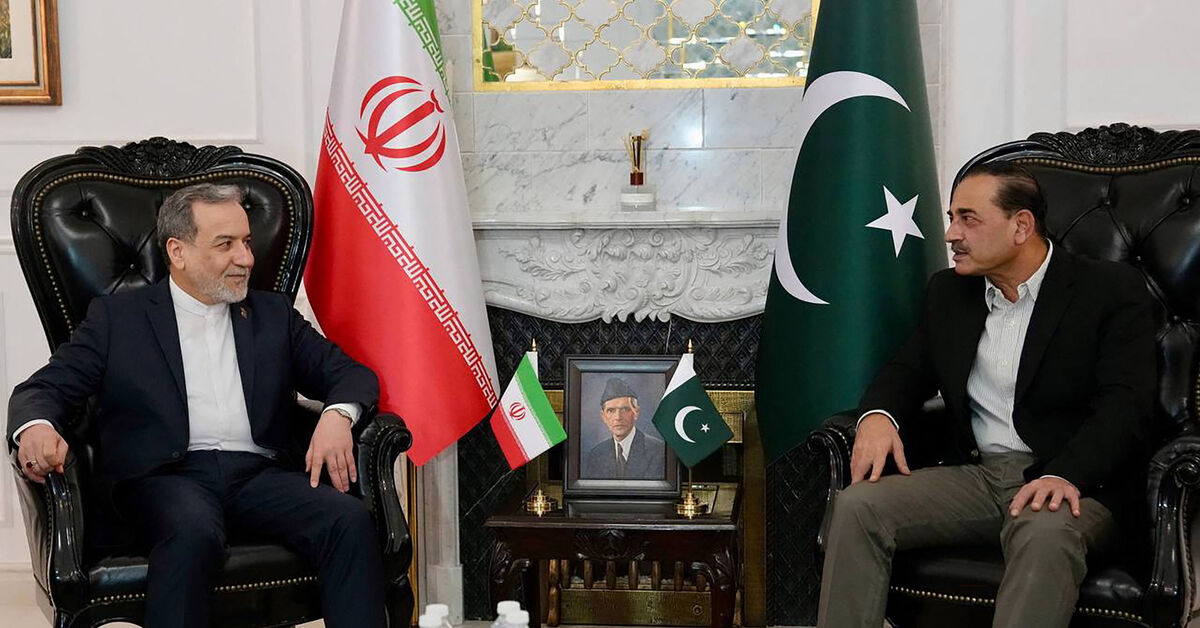
The Chief of Army Staff of Pakistan, Asim Munir, has traveled to the Iranian capital, Tehran, where he is expected to meet with Iranian officials to discuss strategic and security issues. This visit is part of efforts to strengthen cooperation between Pakistan and Iran, especially in light of increasing regional challenges.
Additionally, Doha has sent a diplomatic team to Tehran, indicating the interest of regional countries in enhancing dialogue and cooperation. These moves reflect the countries' desire to address common issues, including regional security and trade.
Details of the Visit
The visit of Asim Munir to Tehran is a significant step in the context of Pakistan-Iran relations, as both sides seek to enhance cooperation in various fields. Observers believe that this visit could open new avenues for military and security cooperation between the two countries, particularly given the tensions in the region.
This visit follows a series of meetings between Iranian and Pakistani officials, where issues such as counter-terrorism and intelligence sharing were discussed. The talks are expected to focus on enhancing security along the shared border between the two countries.
Background & Context
Historically, relations between Pakistan and Iran have experienced numerous fluctuations, with periods of cooperation and others of tension. However, shared security challenges, such as threats from extremist groups, have prompted both countries to reassess their relations. In recent years, both nations have sought to enhance cooperation in security and economic fields.
Doha is also a key player in this dynamic, as it seeks to enhance its role as a mediator in regional conflicts. The visit of its diplomatic team to Tehran reflects its desire to play a larger role in promoting stability in the region.
Impact & Consequences
These developments could lead to a shift in the balance of power in the region, as countries strive to strengthen their alliances. If talks between Pakistan and Iran succeed, it may pave the way for further cooperation among Islamic countries in addressing common challenges.
Moreover, strengthening relations between Pakistan and Iran could affect relations with other countries in the region, such as Saudi Arabia and the UAE, which may feel concerned about this rapprochement. It is crucial to monitor how these countries respond to the new developments.
Regional Significance
These developments are significant for the Arab region, as Arab countries seek to enhance their stability and security amid increasing tensions. Cooperation between Pakistan and Iran could contribute to strengthening regional security, benefiting Arab nations facing similar security challenges.
In conclusion, the visit of Asim Munir to Tehran and the diplomatic efforts by Doha reflect a strong desire to enhance regional cooperation. These steps may contribute to achieving stability in a region suffering from tensions and conflicts.