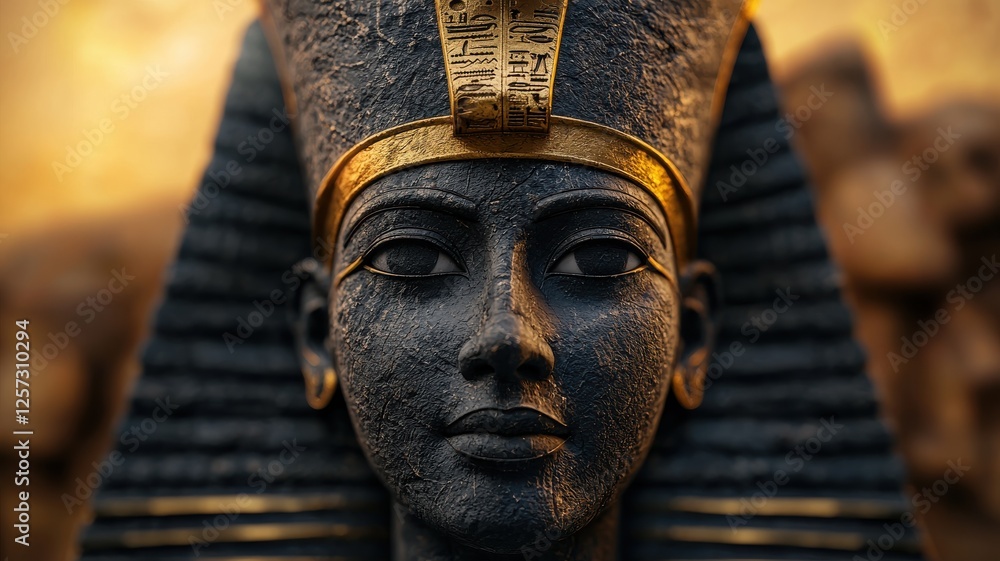
Egypt is striving to enhance its cultural and historical identity as a means to confront contemporary challenges. Amid the difficult political and economic conditions the country is experiencing, leveraging history has become a strategic tool to foster national belonging and build a sustainable future.
The history of Egypt spans thousands of years, having been a center for ancient civilizations. This rich cultural heritage is an essential part of Egyptian identity, making it crucial to invest in it to enhance national spirit.
Details of Recent Initiatives
Recently, the Egyptian government launched several initiatives aimed at reviving cultural and historical heritage. These initiatives include organizing historical exhibitions, rehabilitating archaeological sites, and teaching Egyptian history more deeply in school curricula.
These efforts aim to encourage youth to learn about their history, which enhances their sense of pride and belonging. Additionally, these initiatives seek to attract cultural tourism, which is an important source of national revenue.
Background & Context
The history of Egypt is filled with significant events that have shaped its course through the ages. From the Pharaohs to Islamic conquests and into modern times, each of these periods has left a clear mark on Egyptian identity. However, the economic and political challenges facing the country today require a reevaluation of this history and its effective investment.
Egypt's history is not just a past; it is part of the present and future. As global challenges increase, it becomes essential for national policies to be based on a deep understanding of history as a means for guidance and planning.
Impact & Consequences
Leveraging history can have positive effects on Egyptian society. By enhancing national identity, it can help reduce social divisions and promote national unity. Furthermore, pride in cultural heritage can motivate citizens to engage actively in public life.
Moreover, this approach can contribute to improving Egypt's international image. By highlighting its rich history, Egypt can become an attractive tourist destination, thereby boosting the national economy.
Regional Significance
The history of Egypt and its influence extend beyond its borders. Egypt has always been a cultural and political center in the Arab world. Strengthening Egypt's historical identity can serve as a model for other Arab countries, especially in light of the challenges facing the region.
These efforts can enhance Arab cooperation, as understanding shared history can strengthen ties between Arab nations and promote regional stability.
In conclusion, leveraging history is an important strategy for Egypt in facing contemporary challenges. By enhancing cultural and historical identity, Egypt can build a more sustainable and cohesive future.