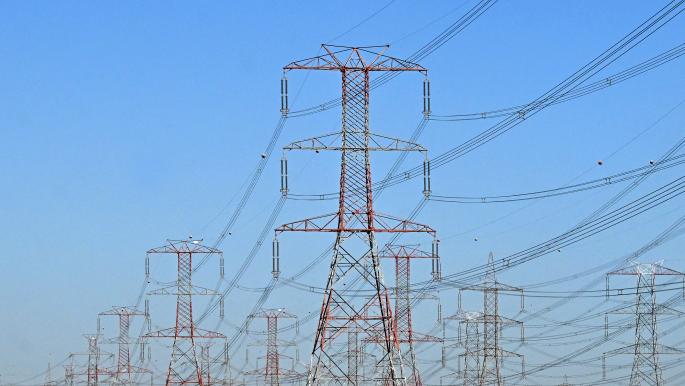
The Gulf Cooperation Council's Electricity Interconnection Authority met on Monday to discuss ways to ensure stable electricity supplies during emergencies and outages. This meeting is part of efforts to enhance cooperation among member states, as the authority seeks to develop effective mechanisms to address challenges that may impact energy supplies in the region.
Electricity is a vital element relied upon by all economic and social sectors, making the stability of its supply an urgent necessity. The authority emphasized the importance of coordination among member states to ensure a quick and effective response in the event of any outage or emergency.
Event Details
The authority convened at its headquarters, where several important points regarding crisis preparedness were discussed. Current plans and mechanisms to ensure the continuity of electrical service were reviewed, along with discussions on ways to enhance technical and technological cooperation among member states.
Participants also stressed the importance of exchanging information and data related to the status of electrical networks, facilitating quick decision-making in emergencies. They pointed out the need to develop new strategies to address future challenges, especially with the increasing demand for energy in the region.
Background & Context
The Electricity Interconnection Authority was established in 2001 to enhance cooperation among member states in the field of electrical energy. Since then, the authority has worked on developing the electricity interconnection network among member states, contributing to improved energy efficiency and reduced costs.
The Gulf states face increasing challenges in the energy sector, particularly with population and economic growth. Therefore, enhancing the stability of electricity supplies is a strategic priority for these countries, as it contributes to achieving sustainable development and strengthens their ability to face crises.
Impact & Consequences
The stability of electricity supplies is a fundamental factor in enhancing the energy security of Gulf states. The more stable the electrical network, the greater the capacity of countries to confront crises and challenges. Additionally, improving electrical interconnection enhances the ability of countries to exchange energy, contributing to reduced reliance on traditional energy sources.
Moreover, enhancing cooperation among Gulf states in the field of electrical energy can open new avenues for investment in renewable energy projects, which contributes to achieving environmental and developmental goals.
Regional Significance
Strengthening electrical interconnection among Gulf states serves as a model for other Arab countries. Cooperation in the energy sector can contribute to achieving economic and social stability in the region. The exchange of experiences and technologies among member states can help develop energy infrastructure in other Arab countries.
In light of the environmental and economic challenges facing the region, enhancing cooperation in the energy sector is a strategic step towards achieving sustainable development. This cooperation reflects the commitment of Gulf states to achieving energy security and enhancing regional stability.