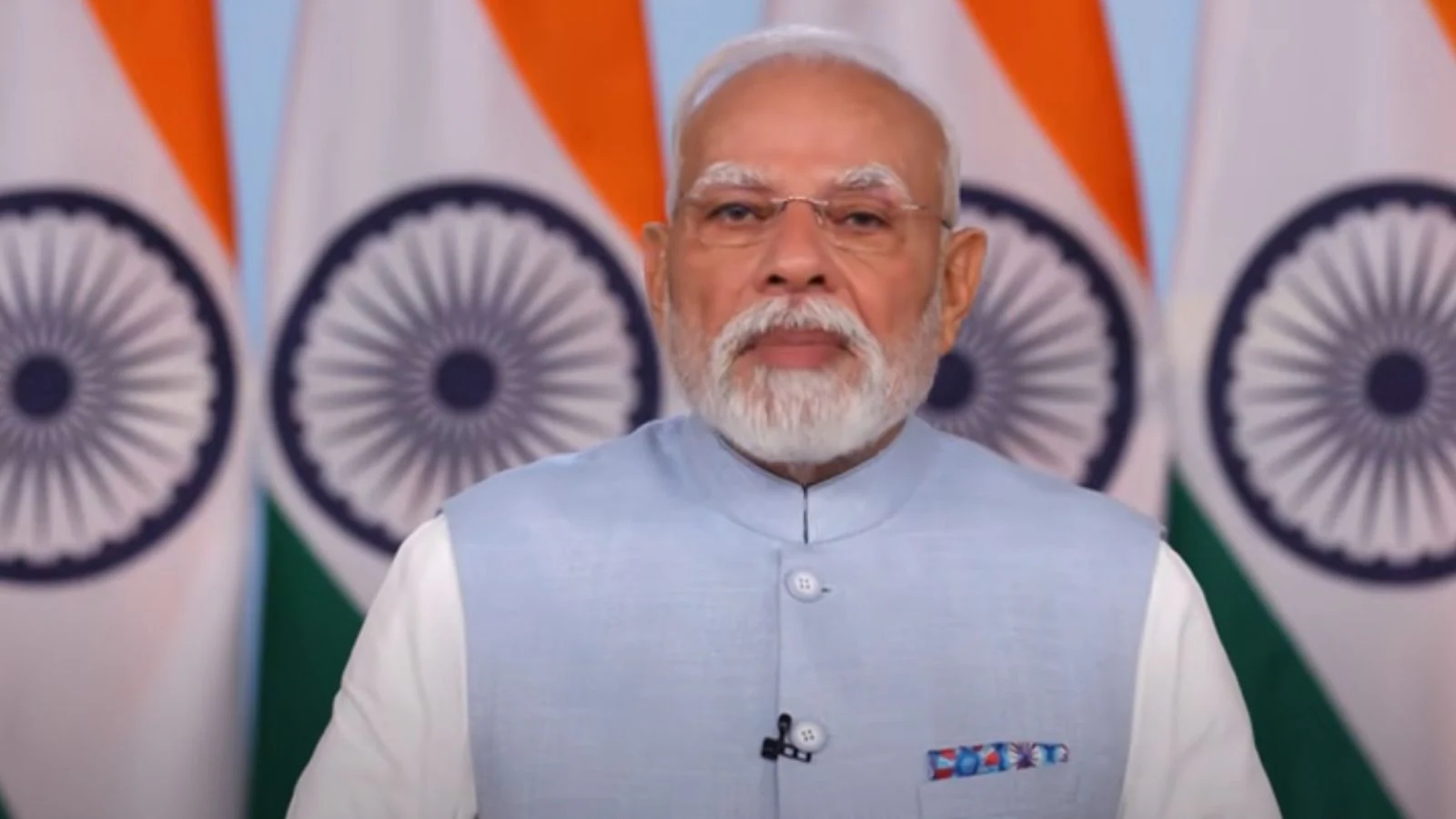
During his recent visit to the Israeli Knesset, Indian Prime Minister Narendra Modi emphasized the deep ties between India and Israel, highlighting their strategic partnership in defense and technology. This visit comes at a sensitive time, as tensions rise in the region, reflecting new trends in international politics.
This marks Modi's second visit to Israel as Prime Minister, reflecting India's shift to being the largest importer of Israeli weapons. Under his leadership, military relations between the two countries have seen significant growth, with enhanced cooperation in areas such as missile manufacturing, drone technology, and espionage technology. Indian factories have provided Israel with a legal outlet for manufacturing equipment at lower costs, away from Western restrictions.
Event Details
As Israel faces challenges in European supply chains, India continues to supply it with advanced weapons and technology. Among the notable joint projects are the Hermes 900 drones, which have been integrated with artificial intelligence systems for precise target identification. This military partnership reflects new trends in the defense policies of both countries.
On the other hand, Israel has utilized espionage technologies to monitor opponents of Modi's authority in India, reflecting the intelligence cooperation between the two sides. A vital population database has also been developed in Kashmir, benefiting from Israeli expertise in crisis management.
Background & Context
The history of Indian-Israeli relations dates back to 1950 when India recognized Israel, but relations did not develop significantly until recent years. With Modi's rise to power, India began to strengthen its ties with Israel, leading to increased cooperation in various fields such as agriculture and technology.
Today, India is considered one of Israel's largest trading partners, as both countries seek to enhance cooperation in defense and economic sectors. This collaboration is part of the West Asia initiative I2U2, which includes India, Israel, the United States, and the United Arab Emirates, reflecting new trends in regional politics.
Impact & Consequences
The growing relations between India and Israel reflect a shift in international politics, as both countries seek to address shared challenges in a conflict-ridden world. These relations may influence regional balances, especially amid ongoing tensions in the Middle East.
Moreover, military cooperation between India and Israel could enhance India's defensive capabilities, potentially altering the dynamics of conflict in the region. At the same time, India may face internal challenges as a result of these relations, particularly amid criticisms of Modi's policies towards minorities.
Regional Significance
The Indian-Israeli relations indicate a transformation in regional politics, as this partnership may affect the stance of Arab countries towards India. Given the existing tensions between Israel and Arab nations, India may find itself in a difficult position between strengthening its ties with Israel and maintaining its relationships with Arab countries.
Ultimately, Modi's visit to the Israeli Knesset reflects a shift in global politics, as both countries seek to enhance cooperation in addressing shared challenges, which may impact regional balances in the future.