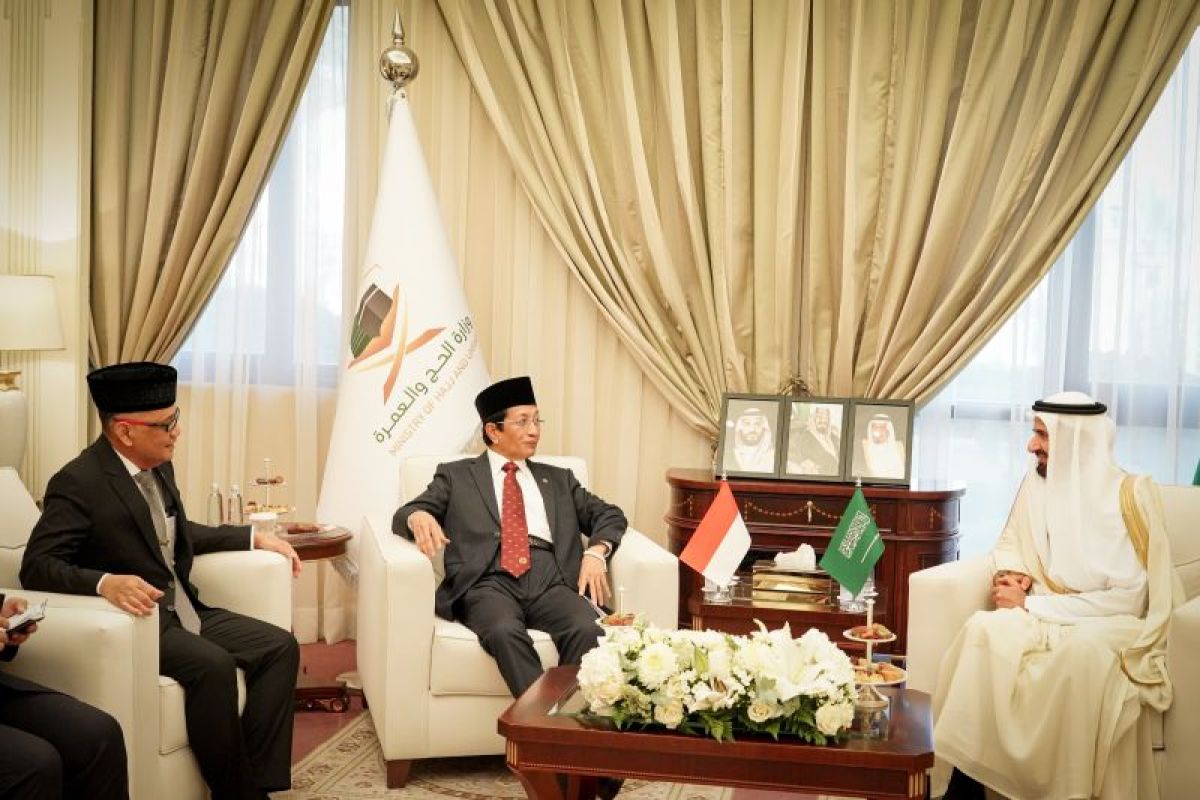
The Indonesian Ministry of Hajj and Umrah has announced strict measures to enhance oversight on Hajj and Umrah guidance groups, aiming to ensure the provision of high-quality services to pilgrims during the current Hajj season. This announcement was made by the head of the ministry's office in West Java, Budi Hari Novin, during a press conference in the city of Majalengka.
Novin confirmed that this step aims to ensure that all activities conducted by guidance groups comply with the laws and regulations set by the government. The oversight will cover all stages of the journey, starting from preparations before departure to performing rituals in the holy lands.
Details of the Initiative
Novin explained that the oversight will be conducted in collaboration with team leaders and groups, who will be responsible for monitoring activities and ensuring compliance with the specified standards. He also noted that the ministry will train team leaders before the pilgrims depart to ensure the best services are provided.
He emphasized the necessity of not organizing any activities outside the core Hajj rituals, such as repeating Umrah or organizing unnecessary sightseeing tours, as these activities may negatively impact pilgrims' focus on their worship.
Background & Context
Historically, Indonesia, which is considered the largest Muslim-majority country by population, has seen a significant increase in the number of pilgrims. With the rising number of pilgrims, the need to improve the quality of services provided to them has become more urgent. Therefore, the Indonesian government is seeking to enhance oversight on Hajj services to ensure the safety and comfort of pilgrims.
These measures come at a sensitive time, as concerns grow over illegal practices that may affect the Hajj experience, such as imposing unauthorized additional fees on pilgrims. Thus, strengthening oversight represents a necessary step to maintain the reputation of Indonesian Hajj services.
Impact & Consequences
The steps taken by the Indonesian Ministry of Hajj and Umrah are seen as a direct response to the challenges faced by the country in organizing Hajj. These measures are expected to enhance the experience of pilgrims, thereby bolstering Indonesia's reputation as a key organizer of Hajj rituals.
Additionally, these measures may help reduce violations and negative practices that could affect pilgrims, reflecting the government's commitment to providing the best services. If these steps succeed, they could serve as a model for other countries hosting pilgrims.
Regional Significance
Arab countries are directly affected by the measures taken by Indonesia, as many Arab pilgrims travel to Hajj via Indonesia. Therefore, improving the quality of services provided to pilgrims in Indonesia can positively reflect on the reputation of Hajj in the Islamic world.
Moreover, these steps may encourage other countries to take similar actions to ensure better services for their pilgrims, enhancing cooperation among Islamic nations in the field of Hajj organization.
In conclusion, strengthening oversight on Hajj services in Indonesia represents an important step towards improving the experience of pilgrims and ensuring their safety. Everyone hopes that these measures will lead to a successful and safe Hajj season for all.