In a bid to enhance security stability, Libyan Presidential Council President Mohamed Al-Menfi has intensified his meetings with militia leaders in western Libya amidst rising security tensions. These efforts aim to attract key armed groups through a series of discussions held in the capital, Tripoli.
The meetings began last Sunday and included leaders of prominent armed factions, such as the Special Deterrence Force and the Stability Support Apparatus, in addition to other military and security leaders. These moves reflect an attempt to rearrange the balance of power within the capital, which suffers from intermittent security tensions.
Details of the Meetings
Among the notable meetings was Al-Menfi's encounter with the leader of the Deterrence Force, Abdul Raouf Kara, who reappeared after a long absence, at a time when Tripoli is witnessing military mobilizations following previous clashes. These clashes erupted following the killing of Abdul Ghani Al-Kikli, known as Ghneiwa, which has once again highlighted the fragility of the security arrangements in the capital.
Al-Menfi also held two meetings with Hassan Abu Zreiba, in addition to a meeting with Mohamed Hamza, the leader of the 111th Brigade, reflecting a trend towards involving multiple parties in a broader coordination framework. Political sources indicate that these meetings aim to unify the ranks among security and military formations and rally support for anticipated steps on both political and economic fronts.
Background & Context
These moves come amid a state of political and security division that Libya has been experiencing for years, where the authorities of the Presidential Council intersect with the Government of National Unity. This division highlights two main camps; the first in the east led by Khalifa Haftar, and the second in the west, complicating the security landscape further.
Al-Menfi's actions seek to strengthen his position as a pivotal actor in managing the security file, at a time when security challenges are on the rise. The public messages from the meetings emphasize the importance of "concerted efforts" and "establishing the foundations of stability" as essential pillars for state-building and moving towards elections.
Impact & Consequences
Despite these efforts, the multiplicity of security decision-making centers raises questions about the possibility of coordination among the various factions, in light of the absence of a unified vision for restructuring the military sector. Additionally, the continued presence of mercenaries and foreign fighters in Libya complicates efforts to achieve stability.
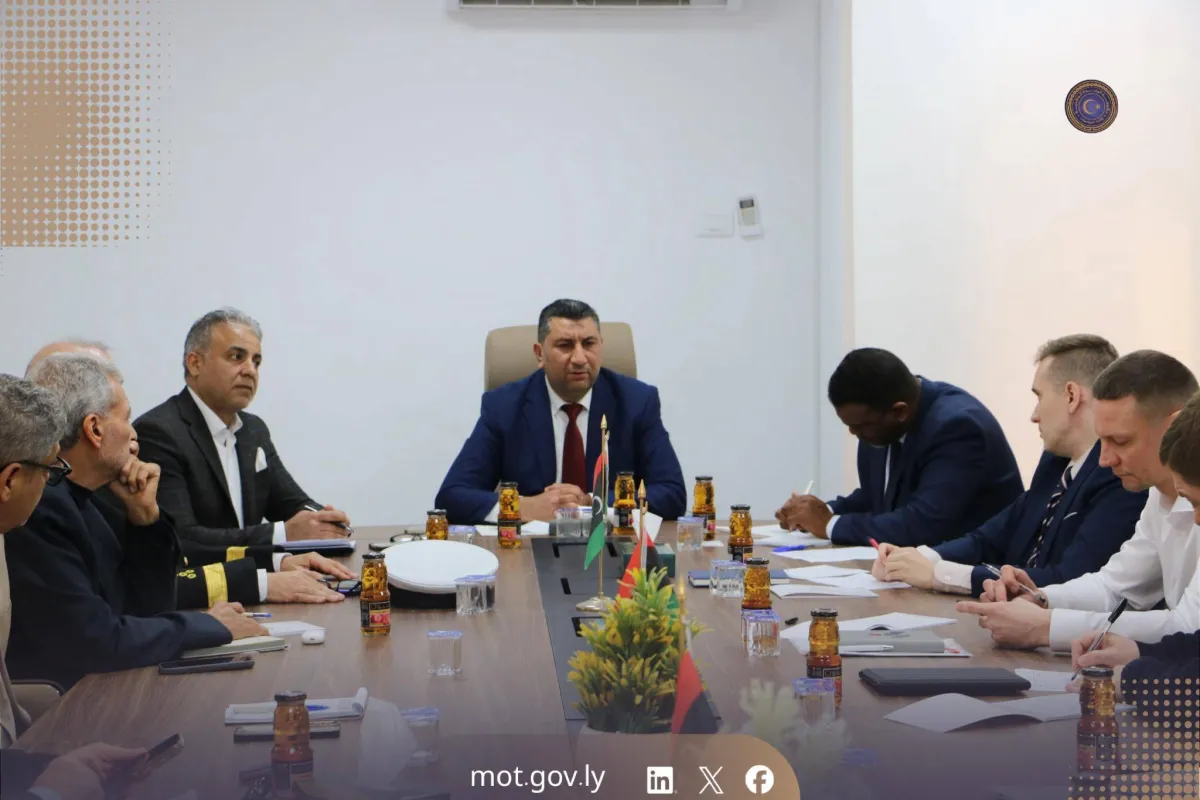
In this context, Al-Menfi has been keen to involve prominent military leaders in his initiatives, reflecting a trend towards expanding the coordination circle between regular leaders and armed formations. These steps come at a time when the Government of National Unity in Tripoli is holding meetings with the Russian consul to discuss developments regarding the stranding of a Russian gas tanker, highlighting the importance of international coordination in the Libyan file.
Regional Significance
Libya is considered a pivotal point in the regional conflict, where security and political dimensions intertwine with crises in neighboring countries. The ongoing division in Libya negatively impacts the stability of the region and complicates the international community's efforts to resolve regional crises.
In conclusion, the political and security movements in Libya remain under the international community's scrutiny, as various parties strive to achieve stability despite the significant challenges facing the country.